No products in the cart.

Freight Forwarding’s Next Phase Unveiled
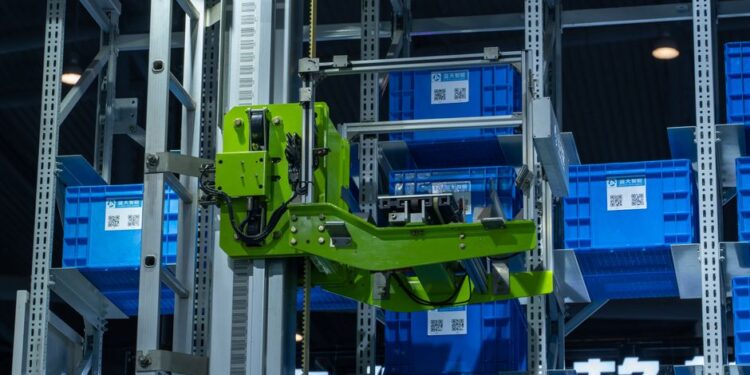
As freight forwarders face unprecedented challenges, the integration of AI and compliance expertise emerges as a critical factor for success in a rapidly evolving logistics landscape.

Global supply chains are currently under immense pressure from various factors, including geopolitical disruptions and tight airfreight capacity. AIT Worldwide Logistics Chairman & CEO Vaughn Moore recently discussed these challenges in a podcast, highlighting how freight forwarders are adapting to an increasingly complex logistics environment. The airfreight market remains constrained, not due to a lack of demand, but because of limited capacity, particularly as investments in hyperscalers and data centers drive up cargo volumes. According to Moore, these investments are reshaping the logistics landscape, emphasizing the need for freight forwarders to innovate and adapt their strategies to meet the evolving demands of the market.
As freight forwarders navigate these challenges, the importance of customs and trade compliance expertise has never been more crucial. Companies are diversifying their sourcing strategies and prioritizing resilience over efficiency, making compliance a key competitive advantage. The need for skilled professionals in this area is growing, as businesses seek to avoid costly delays and penalties. In a recent discussion on Bloomberg, experts noted that the increasing complexity of customs laws necessitates a proactive approach to compliance, which can significantly impact a company’s operational efficiency and bottom line.
The Role of AI in Logistics
AI is emerging as a vital tool in the logistics sector, particularly for freight forwarders. Rather than replacing human workers, AI is enhancing their productivity by automating routine tasks and providing data-driven insights. This shift allows logistics professionals to focus on more strategic aspects of their roles, such as optimizing supply chain processes and improving customer service. The integration of AI tools can significantly streamline operations for freight forwarders, as highlighted in a recent podcast featuring industry leaders discussing the transformative potential of AI in logistics.
This capability is especially important in an environment where airfreight capacity is tight, as it allows businesses to make informed decisions about resource allocation and inventory management.
For instance, AI can analyze shipping patterns and predict demand fluctuations, enabling companies to adjust their strategies proactively. This capability is especially important in an environment where airfreight capacity is tight, as it allows businesses to make informed decisions about resource allocation and inventory management. Furthermore, AI can assist in compliance management by automating documentation and ensuring adherence to regulations. As customs laws become more complex, leveraging AI for compliance can help freight forwarders minimize risks and enhance operational efficiency. This technological integration is not just a trend; it is becoming essential for survival in a competitive market.
Moreover, the conversation around AI’s role in logistics underscores a broader shift towards digital transformation within the industry. Companies that embrace these technologies are likely to gain a significant edge over their competitors. As Vaughn Moore pointed out, the logistics sector is witnessing a shift towards more collaborative approaches, with freight forwarders increasingly working alongside technology providers and data analytics firms to enhance their service offerings. This trend not only highlights the importance of innovation but also the necessity for logistics professionals to adapt quickly to changing market conditions.
Compliance as a Competitive Advantage
The ongoing capacity constraints in airfreight and the rising demand for compliance expertise have broader implications for the logistics industry as a whole. Companies are re-evaluating their supply chain strategies and investing in technology to remain competitive. The focus on agility and resilience is reshaping how logistics providers operate, with many seeking partnerships that enhance their capabilities. According to a recent discussion featuring industry experts, the logistics sector is witnessing a shift towards more collaborative approaches. Freight forwarders are increasingly working with technology providers and data analytics firms to enhance their service offerings. This trend underscores the importance of innovation and adaptability in a rapidly changing environment.
Furthermore, as global trade dynamics shift, logistics professionals must stay informed about regulatory changes and market trends. The ability to navigate these complexities will be essential for maintaining a competitive edge. Companies that invest in training and development for their workforce will be better positioned to respond to emerging challenges and opportunities. The insights shared by leaders in the field emphasize that the role of freight forwarders as facilitators of trade is becoming even more critical. They are not just responsible for moving goods from point A to point B; they are integral to ensuring compliance and optimizing supply chain efficiency.
Future Trends in Freight Forwarding
This expanded role highlights the need for skilled professionals who can manage the intricacies of modern logistics effectively. As the logistics industry continues to adapt to these challenges, it is clear that the future will require a blend of traditional expertise and cutting-edge technology. The companies that succeed will be those that can leverage both to navigate the complexities of the global supply chain.
Future Trends in Freight Forwarding This expanded role highlights the need for skilled professionals who can manage the intricacies of modern logistics effectively.
Why does this matter? For freight forwarders and logistics managers, understanding these evolving dynamics is crucial. The ability to adapt to capacity challenges and embrace new technologies will define the future of the industry. Looking ahead, the logistics sector may see further innovations as companies invest in technology to enhance their operations. How these advancements will shape the future of freight forwarding remains to be seen, but the trend towards greater efficiency and compliance is likely to continue.
Frequently Asked Questions
What are the current challenges in airfreight logistics?
Airfreight logistics currently face significant challenges due to capacity constraints driven by geopolitical factors and increased demand from data center investments. These challenges require freight forwarders to adapt their strategies to maintain efficiency and service quality.
How can logistics managers improve compliance with trade regulations?
Logistics managers can enhance compliance with trade regulations by investing in training for their teams and leveraging AI tools to automate documentation and monitor regulatory changes. This proactive approach helps minimize risks and ensures adherence to complex customs laws.
What AI tools can enhance productivity in freight forwarding?
AI tools that analyze shipping patterns, predict demand fluctuations, and automate compliance documentation can significantly enhance productivity for freight forwarders. By integrating these technologies, logistics professionals can focus on strategic decision-making and improve overall operational efficiency.
Written by Career Ahead AI. AI can make mistakes, so verify key facts. Report errors to support@careeraheadonline.com.