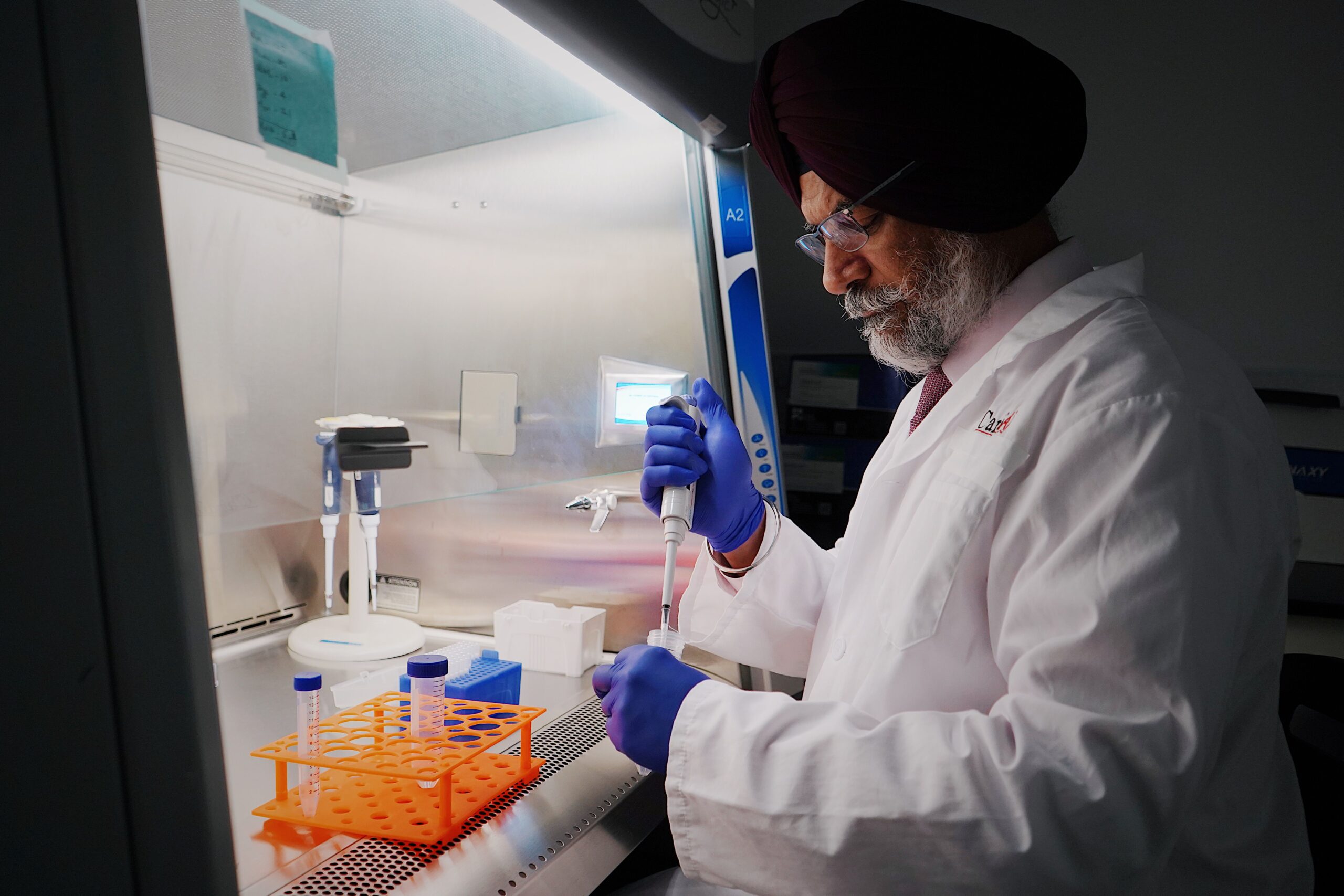
Bad Soden, Germany — Europe’s healthcare system faces a critical challenge. The CEO of Fresenius SE, a leading German healthcare company, has issued a stark warning about the continent’s over-reliance on China for essential drug ingredients. This dependency poses significant risks, especially as global trade tensions escalate. The call for action comes at a time when ensuring the security of drug supplies is more crucial than ever.
Fresenius, which operates across various healthcare sectors, emphasizes the urgency of diversifying Europe’s supply chains. The company’s CEO highlighted that the ongoing geopolitical climate could lead to the “weaponization” of drug ingredients, potentially crippling healthcare systems reliant on imports from China. With the COVID-19 pandemic revealing vulnerabilities in global supply chains, the need for Europe to act swiftly is paramount.
In recent years, Europe has seen a growing trend of outsourcing pharmaceutical manufacturing to countries like China. This shift was initially driven by cost-efficiency and the promise of high-quality production. However, it has led to a precarious situation where European countries are left vulnerable to external pressures. Fresenius argues that this dependency not only threatens the availability of critical medicines but also compromises the safety and quality of healthcare.
Why Europe Must Act Now on Drug Supply Security
The warning from Fresenius is not just about economics; it’s about public health. The CEO pointed out that the current geopolitical tensions could disrupt supplies of vital drugs, including those used in cancer treatments and other critical therapies. A disruption in supply could lead to severe consequences for patients across Europe, particularly those with chronic illnesses who rely on consistent access to medications.
Moreover, the COVID-19 pandemic has underscored the fragility of global supply chains. A report from the European Commission indicated that nearly 80% of active pharmaceutical ingredients (APIs) used in Europe are sourced from outside the continent, with a significant portion coming from China. This alarming statistic highlights the need for a robust strategy to localize production and reduce dependency on a single country.
The CEO pointed out that the current geopolitical tensions could disrupt supplies of vital drugs, including those used in cancer treatments and other critical therapies.
Fresenius suggests that Europe should invest in local manufacturing capabilities and encourage collaboration among pharmaceutical companies. By fostering a more self-sufficient industry, Europe can mitigate risks associated with supply chain disruptions. The CEO also advocates for policies that incentivize domestic production, which could lead to job creation and innovation within the European pharmaceutical sector.
Implications for Careers in the Pharmaceutical Sector
The implications of Fresenius’s warning extend beyond supply chains. For professionals in the pharmaceutical industry, this shift could signal a demand for new skills and competencies. As companies like Fresenius pivot towards local manufacturing, there will be a need for workers skilled in advanced manufacturing techniques and quality control processes.
Entry-level candidates may find opportunities in production and quality assurance roles as companies ramp up local operations. Mid-career professionals might need to upskill in areas such as supply chain management and regulatory compliance to meet the evolving demands of the industry. Career switchers could explore roles in pharmaceutical manufacturing, which may offer more stability compared to the fluctuating global market.

Furthermore, the shift towards local production could lead to a rise in research and development positions. Companies will likely invest in innovation to enhance their manufacturing processes and develop new drugs. This trend presents a unique opportunity for professionals with backgrounds in biotechnology and pharmaceuticals to contribute to a more resilient healthcare system.
- Upskill in Advanced Manufacturing: Consider taking courses in advanced manufacturing technologies to stay competitive in the evolving job market.
- Network with Industry Leaders: Attend industry conferences and seminars to connect with professionals who are shaping the future of pharmaceutical manufacturing.
- Stay Informed on Policy Changes: Keep an eye on European policies that may impact the pharmaceutical sector, as they can create new job opportunities.
However, some experts caution that increasing local production may not be a panacea. They argue that while reducing dependency on China is crucial, it is equally important to ensure that Europe does not fall into the trap of over-regulation, which could stifle innovation. According to a recent report by the European Pharmaceutical Review, a balanced approach is necessary to maintain competitiveness while securing supply chains.
Mid-career professionals might need to upskill in areas such as supply chain management and regulatory compliance to meet the evolving demands of the industry.
The Future of Europe’s Drug Supply Chain
The future of Europe’s drug supply chain is at a crossroads. As Fresenius calls for immediate action, the pharmaceutical industry must respond proactively. The shift towards local production could lead to a more resilient and self-sufficient healthcare system.
In the coming years, we may witness significant changes in how Europe approaches pharmaceutical manufacturing. The emphasis on local production could not only safeguard supply chains but also stimulate job growth and innovation. As the industry evolves, professionals must adapt to the changing landscape and seize emerging opportunities.
Will Europe successfully navigate this critical juncture and build a robust drug supply chain that prioritizes both security and innovation?
Written by Career Ahead AI. AI can make mistakes, so verify key facts. Report errors to support@careeraheadonline.com.