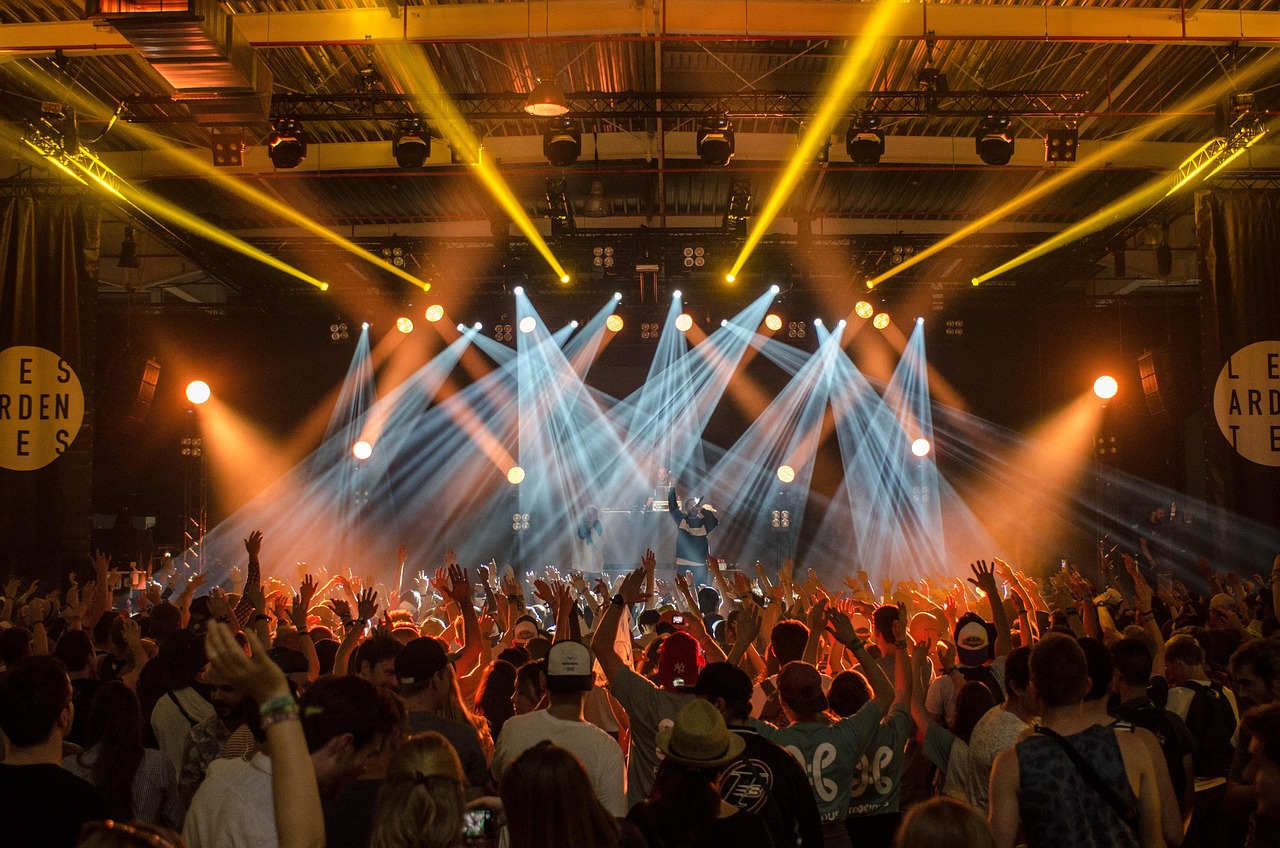
In an era where social media dominates communication, events have evolved from mere gatherings into vibrant marketing platforms. The shift from guest to content creator highlights a crucial change in how events are perceived and executed. Today, events must engage audiences not just during their occurrence but also before and after, creating a buzz that extends far beyond the physical venue.
In an era where social media dominates communication, events have evolved from mere gatherings into vibrant marketing platforms. The shift from guest to content creator highlights a crucial change in how events are perceived and executed. Today, events must engage audiences not just during their occurrence but also before and after, creating a buzz that extends far beyond the physical venue.
Designing events that market themselves is no longer a luxury; it is a necessity. With the right strategies, organizers can transform events into powerful marketing tools that resonate with attendees and potential customers alike. This transformation involves understanding the dynamics of social media, influencer engagement, and the creation of shareable experiences.
The Role of Social Media in Event Marketing
Social media has become the backbone of event marketing. Platforms like Instagram, Twitter, and Facebook allow organizers to create a narrative around their events long before they start. The use of hashtags serves as a digital anchor for attendees, creating a sense of community and anticipation. According to a report by Britts Imperial, effective use of hashtags can significantly increase engagement and visibility, drawing in a wider audience.
Moreover, the integration of social media into event planning encourages attendees to share their experiences in real-time. This not only enhances the event’s reach but also fosters a sense of belonging among participants. By encouraging attendees to post about their experiences, organizers can create a ripple effect, where each post contributes to the event’s overall visibility.
Additionally, incorporating elements like live streaming can further expand reach. Live broadcasts allow those who cannot attend in person to engage with the event, fostering a sense of inclusion. This strategy enhances the experience for remote audiences and creates a fear of missing out (FOMO) among those who could not attend, potentially increasing attendance for future events. A recent article from BBC News emphasizes the growing trend of hybrid events, which blend in-person and virtual experiences, thus broadening accessibility and engagement.
Creating Memorable Experiences
To design events that effectively market themselves, organizers must focus on creating shareable moments.
To design events that effectively market themselves, organizers must focus on creating shareable moments. This involves providing visually appealing backdrops and interactive installations that encourage attendees to capture and share their experiences. Insights from Britts Imperial indicate that events featuring unique photo opportunities, such as branded backdrops or interactive displays, are more likely to generate social media buzz.
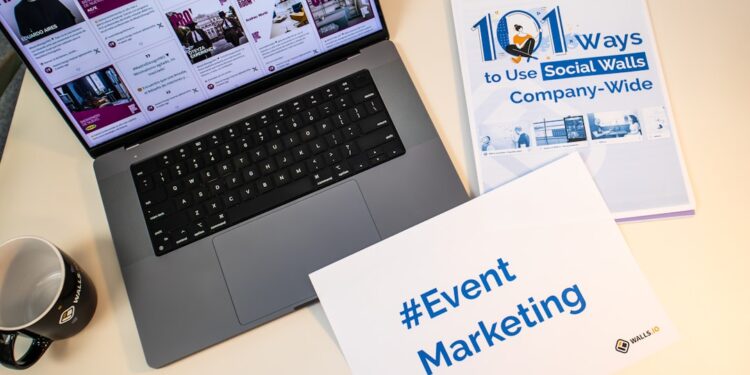
Interactive experiences not only engage attendees but also serve as excellent marketing tools. For instance, incorporating photo booths with props or live social media walls can encourage attendees to share their experiences online. This not only promotes the event but also creates a library of user-generated content that can be leveraged for future marketing efforts. Attendees who feel involved in the event’s narrative are more likely to share their experiences, amplifying the event’s reach.
Moreover, contests and giveaways can further enhance engagement. By incentivizing attendees to share their experiences on social media, organizers can amplify their reach and create a buzz around the event. These strategies not only enhance attendee engagement but also create valuable content that can be repurposed across various marketing channels.
Leveraging Influencer Partnerships
Collaboration with influencers can significantly enhance an event’s visibility and credibility. By partnering with individuals who align with the event’s theme and target audience, organizers can tap into established communities and expand their reach. Influencers can create pre-event buzz through their platforms, encouraging their followers to attend and engage with the event. This strategy is particularly effective in today’s digital landscape, where influencer marketing has become a cornerstone of brand promotion.
Furthermore, influencers can provide valuable insights into audience preferences, helping organizers tailor their events to meet expectations. This collaboration not only enhances the event’s appeal but also fosters a sense of community among attendees. According to BBC News, leveraging influencers can create a narrative that resonates with potential attendees, ultimately driving ticket sales and engagement.
Razorpay's partnership with OpenAI to introduce ChatGPT Ads marks a significant shift in how Indian brands approach digital marketing. This move opens new avenues for…
In addition to influencer partnerships, community engagement is crucial for creating events that market themselves. By involving local organizations or charitable causes, events can foster a sense of purpose and community involvement. This not only enhances the event’s appeal but also creates a positive association that attendees are likely to share with their networks.
This strategy is particularly effective in today’s digital landscape, where influencer marketing has become a cornerstone of brand promotion.
Post-Event Engagement Strategies
The activity does not conclude once the last person departs the scene. To sustain interest, organizers should continue to post information about the event on social media. Sharing pictures, videos, and key takeaways can keep the conversation going. It is also important to thank attendees, speakers, and sponsors publicly.
Data collected from social media during the event should be analyzed to monitor engagement levels and hashtag usage. These insights can inform future event planning and social media strategies, ensuring continuous improvement and relevance in a rapidly evolving landscape.
Ultimately, the shift from guest to content creator in event marketing represents a significant opportunity for organizers. By leveraging social media, creating shareable experiences, and collaborating with influencers, events can be transformed into powerful marketing tools. Understanding these trends is crucial for young professionals and entrepreneurs aiming for career advancement in this dynamic field.



Entrepreneurship & Business

 Entrepreneurship & Business