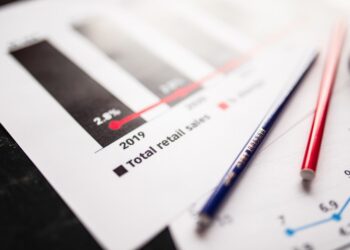
Fuel prices are skyrocketing, and the implications stretch far beyond the gas pump. As the conflict in Iran continues, crude oil prices have surged past $100 a barrel, threatening the plastic industry and consumer goods reliant on plastic components.
Fuel prices are skyrocketing, and the implications stretch far beyond the gas pump. As the conflict in Iran continues, crude oil prices have surged past $100 a barrel. This spike not only affects energy costs but also threatens the very foundation of the plastic industry. The connection between fuel prices and plastic production is complex and deeply intertwined with global supply chains.
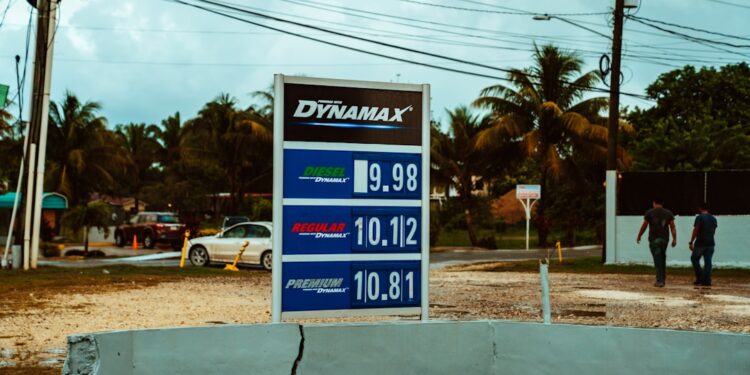
In the U.S., gasoline prices have recently crossed $4 a gallon, marking the highest levels since 2022. As energy costs rise, manufacturers are bracing for increased expenses in producing and transporting plastics, which are derived from petroleum. This could lead to higher prices for a wide range of consumer goods that rely on plastic components, from packaging to automotive parts.
The implications of this crisis are particularly pressing given the scale of plastic consumption. In 2019, the average American used over 250 kilograms of plastic, highlighting the extensive reliance on this material. With rising costs and supply chain disruptions, consumers may soon feel the pinch in their everyday purchases as manufacturers pass on these costs.
Economic Consequences of Rising Fuel Prices
The economic ramifications of rising fuel prices extend into various sectors, particularly in the production of plastic. According to the U.S. Energy Information Administration, as fuel prices climb, so do the costs associated with producing plastics. This situation is compounded by the fact that plastic production accounts for approximately 5% of global carbon dioxide emissions, making it a significant contributor to environmental issues.
Consumers may alter their spending habits as they face higher prices for essential goods, potentially leading to decreased demand in other sectors.
Initially launched over a year ago, Melius aimed to create an AI-powered performance marketing tool. However, after six months of development, co-founders Joowon Kim, Young…
As manufacturers face higher costs for raw materials, the prices of products made from plastic are expected to rise sharply. For instance, a major supplier of water bottles in India recently announced an 11% price increase due to a staggering 70% rise in packaging costs. This trend is likely to continue as supply chains feel the pressure from constrained oil supplies and increased shipping costs. The International Monetary Fund (IMF) highlights that rising oil prices can lead to broader economic shifts. Consumers may alter their spending habits as they face higher prices for essential goods, potentially leading to decreased demand in other sectors.
Moreover, the rising costs of fuel are not just a concern for manufacturers; they also threaten the stability of global trade. The ongoing conflict in Iran has created significant bottlenecks in oil supply, which has a cascading effect on shipping costs. As noted by MIT Technology Review, the economic effects of the war are hitting various fossil-derived products, including plastics, which are intricately linked to petroleum prices. This situation underscores the vulnerability of the plastics industry to geopolitical tensions and market fluctuations.
Debates on Sustainability and Alternatives
While the immediate effects of rising fuel prices on plastic production are clear, there are ongoing debates about the long-term implications. Some industry experts argue that this crisis could accelerate the shift towards renewable energy and sustainable materials. As fossil fuels become less reliable and more expensive, alternatives may gain traction. However, there are significant barriers to this transition. For instance, the current infrastructure for recycling plastics is limited. Mechanical recycling, the most common method, degrades materials over time, preventing infinite reuse. Chemical recycling offers a potential solution but comes with environmental concerns due to the pollution associated with processing facilities.
Additionally, the push for bio-based plastics faces its own set of contradictions. While these materials are marketed as environmentally friendly, their production can compete with food resources, raising ethical concerns about sustainability. The challenge lies in finding a balance between meeting consumer demand and ensuring environmental responsibility. As the industry grapples with these contradictions, the future remains uncertain. Companies must navigate not only the rising costs of production but also the growing pressure to adopt more sustainable practices.
Challenges Ahead for the Plastic Industry
The plastic industry faces a landscape fraught with challenges. The ongoing conflict in the Middle East is likely to keep fuel prices volatile, which will continue to impact production costs. As manufacturers exhaust existing stockpiles, the effects of rising prices will become increasingly pronounced. Consumers can expect to see higher prices for everyday products, including food packaging and consumer goods. This shift may lead to a greater demand for transparency in pricing and sourcing, as consumers become more aware of the factors driving costs.
As the industry grapples with these contradictions, the future remains uncertain.
Moreover, the industry may see increased investment in research and development for sustainable materials. As the urgency to address climate change grows, the pressure to innovate will intensify. This could lead to breakthroughs in materials science that make bio-based and recycled plastics more competitive with traditional options. Ultimately, the future of the plastic industry will depend on its ability to adapt to rising costs and changing consumer expectations.
For young professionals entering the workforce, understanding these dynamics will be crucial. Careers in sustainability, materials science, and supply chain management will likely see significant growth as companies seek to navigate these challenges. By positioning themselves at the intersection of economics and environmental stewardship, individuals can play a pivotal role in shaping the future of the plastic industry.



 Entrepreneurship & Business
Entrepreneurship & Business