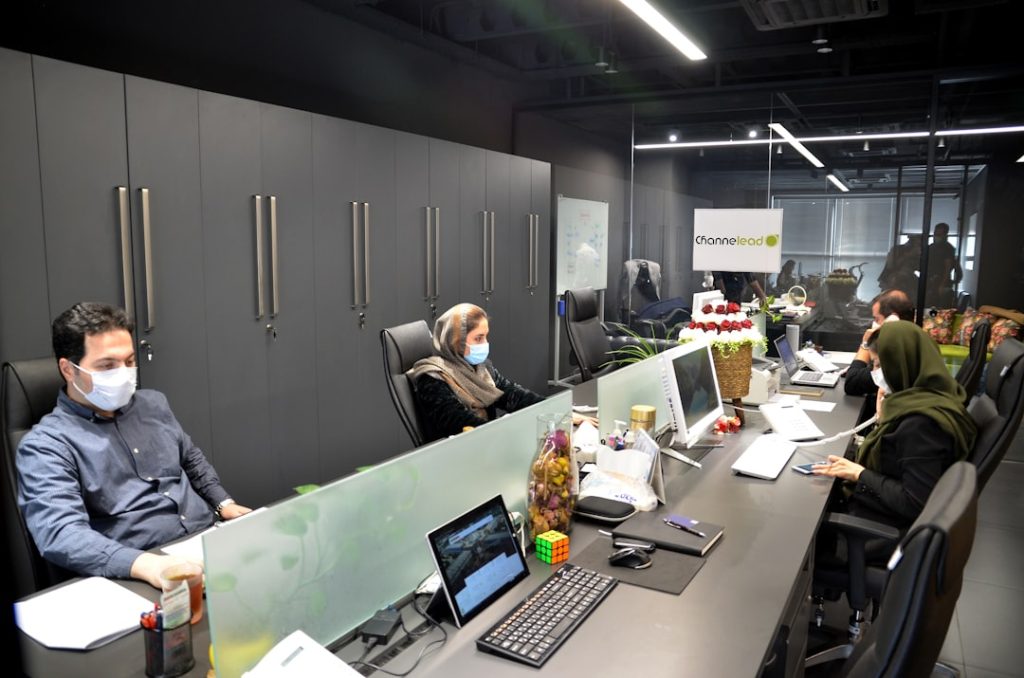
San Francisco, USA — A growing wave of discontent is sweeping through the workplaces of America as Generation Z, those born between 1997 and 2012, increasingly rejects the concept of “toxic positivity.” This trend is not just a fleeting moment in social discourse; it embodies a significant shift in how younger workers perceive workplace culture and mental health.
As companies like Google and Amazon increasingly prioritize employee well-being, the demand for authenticity has never been more prominent. In a world where social media often promotes an idealized version of reality, Gen Z is pushing back against the pressure to maintain a facade of perpetual happiness. This movement is reshaping not only workplace dynamics but also expectations in career development.
Research from the American Psychological Association indicates that 87% of Gen Z workers believe that mental health is a priority in their workplaces. This statistic highlights a generation that values open conversations about emotions over the traditional expectations of positivity that often mask underlying issues. As such, the narrative surrounding mental health has evolved, with calls for more realistic and supportive environments.
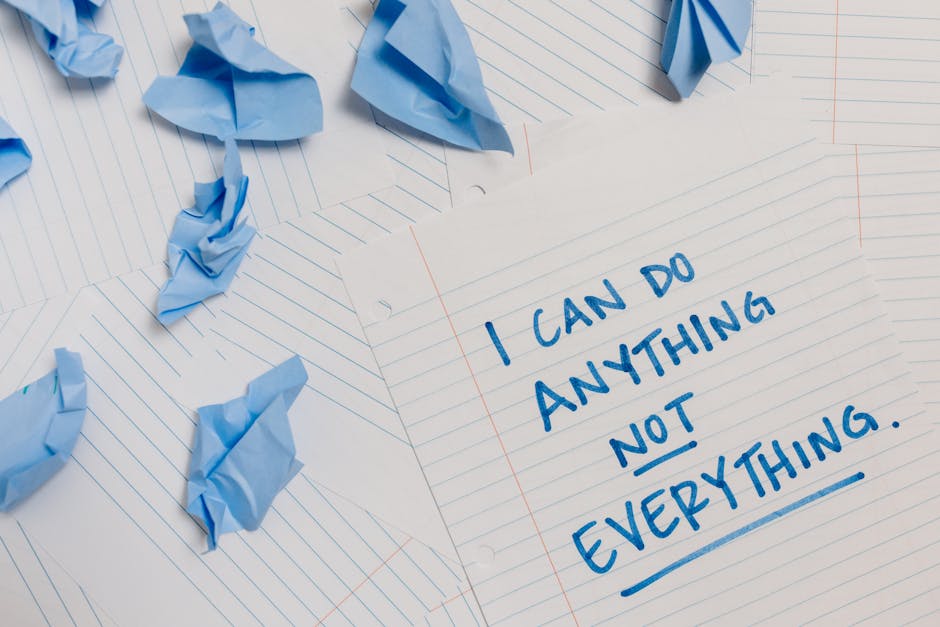
Research from the American Psychological Association indicates that 87% of Gen Z workers believe that mental health is a priority in their workplaces.
Context and Background
The term “toxic positivity” refers to the excessive and ineffective overgeneralization of a happy, optimistic state across all situations. It can trivialize genuine feelings of distress and discomfort, creating a culture where employees may feel compelled to suppress their emotions to fit in. The current pandemic has exacerbated these feelings, with increased stress and uncertainty leading many to seek more authentic interactions in their workplaces.
In 2021, a survey conducted by the consulting firm Deloitte found that 64% of Gen Z workers are more likely to leave a job that does not support their mental health. This statistic underscores a generational shift towards a more holistic view of work-life balance, where emotional well-being is recognized as integral to productivity and satisfaction.
Analysis and Perspectives
The push against toxic positivity is gaining traction across various industries. Leaders and organizations are beginning to recognize that fostering a culture of authenticity is essential for retaining talent. For instance, companies like Slack have implemented open forums for discussing mental health, allowing employees to share their experiences without fear of judgment.
However, the challenge lies in balancing positivity with realism. Critics argue that while it is important to address mental health openly, some level of optimism is necessary to motivate teams and drive performance. Lisa Miller, an organizational psychologist, states, “There’s a fine line between fostering a positive environment and ignoring the real struggles employees face. The key is to create space for both—acknowledging difficulties while also encouraging a forward-looking mindset.” This perspective highlights the complexity of workplace dynamics in a post-pandemic world.

Moreover, the role of social media cannot be overlooked. Platforms like TikTok and Instagram amplify the voices of Gen Z, allowing them to share their struggles and advocate for authenticity. Viral trends that promote mental health awareness are reshaping public discourse, making it clear that this generation values transparency over pretense. As a result, brands and employers are being pressured to adapt their messaging and support systems accordingly.
The key is to create space for both—acknowledging difficulties while also encouraging a forward-looking mindset.” This perspective highlights the complexity of workplace dynamics in a post-pandemic world.
Looking Ahead
As the workforce continues to evolve, companies must navigate this new landscape carefully. Organizations that embrace authenticity and prioritize mental health will likely find themselves at a competitive advantage in attracting and retaining talent. Initiatives such as mental health days, flexible working arrangements, and transparent communication strategies are no longer optional; they are essential for fostering an inclusive workplace.
The future may hold even more profound changes as Gen Z continues to make its mark. Employers who fail to recognize these shifting expectations risk alienating a generation that is not afraid to speak out and demand better. As businesses look to the future, the challenge will be not just to avoid toxic positivity but to create environments where authenticity thrives, leading to healthier, more engaged workforces. How will your organization adapt to this changing tide of expectations?
Written by Career Ahead AI. AI can make mistakes, so verify key facts. Report errors to support@careeraheadonline.com.