As protests erupt across India, Gen Z expresses frustration over an education system failing to equip them for the workforce. This unrest poses significant challenges to Modi's government.
India’s youth population is increasingly unhappy with the education system, leading to widespread protests. Gen Z students are vocal about their frustrations, believing the current curriculum fails to prepare them for real-world challenges and the workforce. This unrest poses a significant challenge for Prime Minister Modi’s administration, which has faced criticism over educational reforms.
Recent events have intensified these protests. The government has struggled to address the skills gap identified by many employers. A survey by Career Ahead indicates that 74% of employers find recent graduates lacking essential workplace skills, particularly in technology and services, which are vital for India’s economic growth.
Protests Highlight Systemic Educational Failures
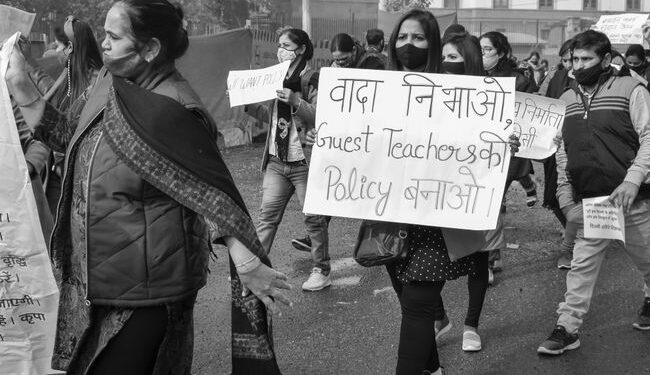
Students across India are demanding immediate reforms to an outdated education system. Their protests feature slogans like, “We Are Not Learning Anything,” encapsulating their main grievance. Many argue that the current curriculum is overly theoretical and does not provide the practical skills needed in today’s job market.
Data from learnanything.co.in shows that the education system lacks a focus on skill-based learning, creating a disconnect between what students learn and what employers need. The high unemployment rate among recent graduates, approximately 30% in urban areas, underscores this issue. Students are increasingly aware that their degrees do not guarantee jobs, leading to frustration and a sense of betrayal.
Data from learnanything.co.in shows that the education system lacks a focus on skill-based learning, creating a disconnect between what students learn and what employers need.
The protests extend beyond educational reforms; they reflect broader societal issues. Many students feel the government is not providing opportunities for upward mobility. Rising education costs and a stagnant job market have fostered a sense of hopelessness among young people, echoed in online forums and social media where students share their experiences.
Moreover, the government’s response to these protests has been met with skepticism. Many believe the administration prioritizes maintaining power over addressing youth concerns. The protests have gained momentum, uniting students from various backgrounds to demand change, signaling the potential for significant political and social transformation in India.
New York City's school system remains one of the most segregated in the U.S. City leaders are now pushing for integration, but advocates emphasize the…
As protests continue, many students are turning to online learning platforms to acquire skills that traditional education has failed to provide. Platforms like iLearn and Digital India Learning are gaining popularity, offering flexible, affordable courses that focus on practical skills, aligning with the needs of students and employers.
Research from Career Ahead shows that students who engage in online learning are 50% more likely to find a job within six months of graduation. This trend highlights the role of alternative education methods in addressing the skills gap. With digital learning on the rise, students are taking their education into their own hands, seeking resources that match market demands.
As more students seek alternative pathways to success, educational institutions will face increasing pressure to adapt, presenting an opportunity for the government to rethink its approach to education and workforce development.
However, critics argue that while these platforms provide valuable skills, they cannot replace comprehensive education from traditional institutions. The debate continues regarding the need for a balanced approach that combines traditional and modern educational methods for a more effective learning environment.
The government’s response to the protests and the growing demand for online learning will shape the future of education in India. As more students seek alternative pathways to success, educational institutions will face increasing pressure to adapt, presenting an opportunity for the government to rethink its approach to education and workforce development.
Consequences for India’s Workforce Development
The current education crisis has implications beyond the protests. As India’s economy evolves, the demand for skilled workers is rising. The World Bank estimates that India will need to create around 100 million jobs by 2030 to accommodate its growing workforce. If the education system does not adapt, the country risks a severe skills shortage.
As protests continue and the demand for reform grows, the future of India’s education system hangs in the balance.
The Modi government’s ability to respond to these challenges is critical. Ignoring student concerns could lead to increased unrest and disillusionment among youth, potentially reshaping the political landscape as young voters become more engaged in advocating for change.
Career Ahead’s analysis indicates that the education system must undergo significant reforms to align with the modern economy’s needs, including updating curricula to focus on in-demand skills like digital literacy, critical thinking, and problem-solving. Without these changes, India risks falling behind in the global economy.
As protests continue and the demand for reform grows, the future of India’s education system hangs in the balance. The government’s next steps will be closely watched, as students and employers seek assurance that their needs will be met in a rapidly changing job market.
The ongoing unrest among India’s youth signals a pivotal moment for the country’s education system. How the government responds to these demands will shape both the future of education and India’s economic growth.



 Education & University Insights
Education & University Insights