


Constant pinging, endless Zooms, and a 60% burnout rate are draining the newest wave of talent.
The Digital Burnout Epidemic
Maya Patel, a 27-year-old marketing analyst, felt a hollow fatigue after logging off at 10 p.m. on a Tuesday. She’s not alone. LinkedIn’s 2025 survey found that 60% of Gen Z workers report chronic digital exhaustion, a figure that correlates with a 12% dip in self-rated productivity over the past year.
The culprit is simple: screens dominate work and life. Remote-first policies mean constant notifications from Slack, Teams, and email. Social media adds another layer, with Gen Z spending an average of 4.5 hours daily scrolling, curating, and replying. The pressure to stay visible creates a feedback loop that leaves many feeling perpetually “on.”
Understanding Digital Burnout in Context

Burnout is more than tired eyes. It’s emotional strain from relentless connectivity. A 2025 IJCRT study describes digital burnout as a “triad of cognitive overload, emotional depletion, and identity fatigue” caused by the need to manage multiple online personas.
The culprit is simple: screens dominate work and life.
Remote work amplified the problem. Companies like Shopify reported a 30% rise in employee requests for “digital detox” days within six months. Workers who voluntarily limited video calls reported higher engagement scores.
The Stakes: Consequences of Ignoring Digital Burnout
When burnout goes unchecked, mental health spirals. The National Center for Health Statistics flagged a 22% increase in anxiety diagnoses among 22- to 29-year-olds between 2023 and 2025, linking the surge to digital overload. Depression rates rose in tandem, with workplace surveys noting a 15% uptick in employees taking mental-health leave.
Employers feel the pain too. A 2024 Deloitte analysis showed that firms with high digital fatigue scores lost an average of 4% in annual revenue due to reduced output and higher turnover. Turnover costs can exceed $150,000 per employee in tech sectors.
Responding to Digital Burnout: Strategies for Relief
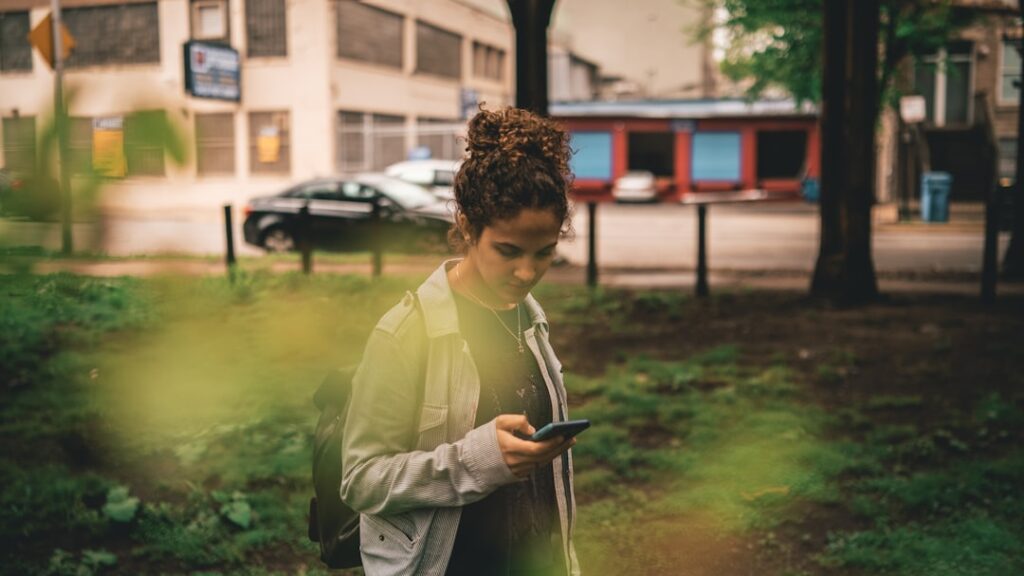
Individuals can reclaim control with simple habits. The “20-20-20” rule reduces eye strain and signals the brain to reset. Scheduled “no-screen” blocks, especially during meals and before bedtime, improve sleep quality and mood.
Employers are stepping in. Adobe introduced a “Digital Well-Being” program in 2024, offering quarterly workshops, optional “offline hours,” and analytics that flag excessive after-hours messaging. Early results show a 9% rise in employee satisfaction scores and a 5% reduction in sick days.
 Future Skills & Work
Moving into Management: The Evidence on Trade-Offs
Management is a social job: leaders spend 85% of their time collaborating. The trade-offs are real, but the skills transfer widely.
Read More →Responding to Digital Burnout: Strategies for Relief Gen Z’s Silent Crisis: When Screens Burn Out Careers Individuals can reclaim control with simple habits.
Looking Ahead: The Future of Digital Burnout
Technology will not retreat; AI assistants, immersive VR meetings, and always-on platforms will deepen connectivity. Yet, the same tools can also embed safeguards—AI that schedules breaks, VR environments that simulate nature, and platforms that auto-mute after a set period.
Building healthy digital habits will be a career-defining skill. Recruiters increasingly ask candidates how they manage screen time, viewing it as a proxy for resilience and focus. Mastery of digital boundaries could become as valuable as technical expertise.
Written by Career Ahead AI. AI can make mistakes, so verify key facts. Report errors to support@careeraheadonline.com.





