No products in the cart.

Germany’s Energy Minister Pushes for Renewable Energy Growth
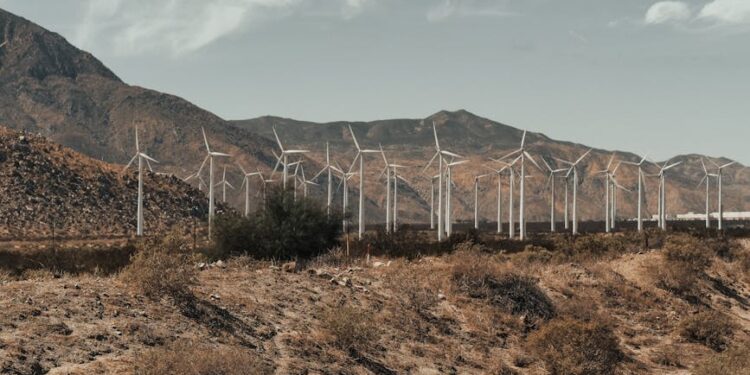
Germany's energy minister advocates for rapid renewable energy expansion to enhance energy security and meet climate goals, aiming for 65% renewables by 2030.

“`html
The renewables Revolution: Germany’s Path to Energy Independence
Germany’s energy minister has called for a faster rollout of renewable energy amid a volatile global oil market. This urgency stems from the country’s reliance on imported fossil fuels, which makes it vulnerable to geopolitical shocks. Additionally, climate commitments require a quick shift from carbon-heavy energy sources.
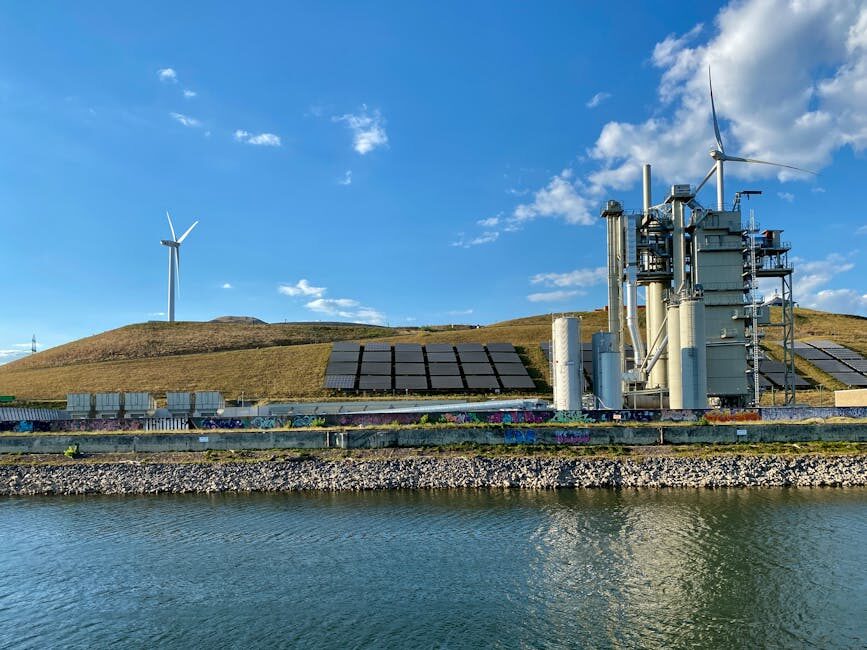
Renewable energy already plays a major role in Germany’s power supply. Solar and wind energy provide over 40% of the nation’s electricity, a figure that has more than doubled in the last decade. The government aims for 65% renewable generation by 2030, which would reduce dependence on coal and natural gas and align with the EU’s climate goals.
This shift has fueled economic growth. Since 2010, Germany has invested over €100 billion in wind farms, solar parks, and grid improvements. This investment has created over 100,000 jobs in manufacturing, installation, operations, and research. Rural areas, once reliant on coal, now host wind turbines that provide steady income for local landowners, while cities enjoy cleaner air and lower electricity costs.
Germany’s experience serves as a model for other European nations facing similar energy and climate challenges. By combining strong policy goals with financial support, Germany shows that a resilient, low-carbon energy grid is achievable.
Political Will: The Role of Leadership in Energy Policy
Effective energy policy requires strong leadership. The minister’s recent call reflects a political consensus that energy security is vital for national strategy. Chancellor Olaf Scholz has stressed the need to “future-proof” Germany’s power system, promising more subsidies for offshore wind and faster approvals for solar projects.
Political Will: The Role of Leadership in Energy Policy Effective energy policy requires strong leadership.
Federal incentives include feed-in tariffs that ensure market returns for new renewable energy, tax credits for green technology manufacturers, and a national “renewables accelerator” that supports innovative storage solutions. These measures have made wind and solar energy competitive with, or cheaper than, traditional energy sources.
You may also like
 Government & Policy
Taiwan Says US Policy Remains Unchanged
This declaration is pivotal as it reassures Taiwan and its allies of the US's unwavering support. The ongoing geopolitical landscape, characterized by China's assertive posture,…
Read More →State governments have also tested new policies. Bavaria has introduced a “green grid” surcharge to fund local battery storage, while Brandenburg’s “Wind-First” zoning plan designates former lignite sites for wind farms. Coordination between federal and state levels, despite some bureaucratic challenges, is crucial for achieving the 2030 target.
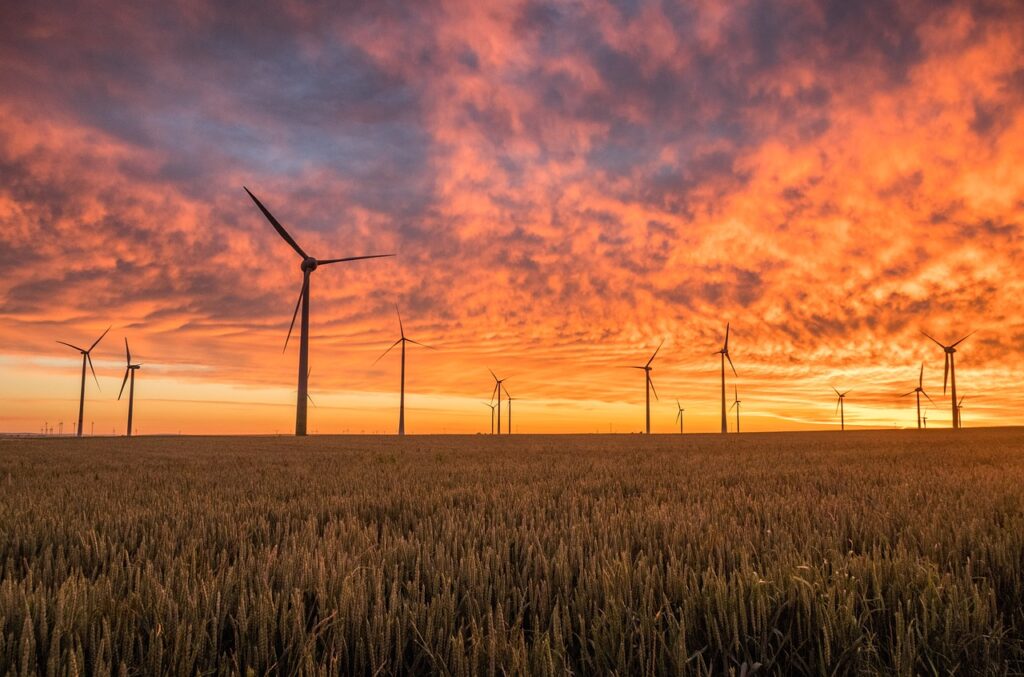
Leadership extends beyond Berlin. Industry groups, labor unions, and research institutes have collaborated on a “Renewable Roadmap” that outlines technology milestones, workforce training needs, and export strategies. This multi-stakeholder approach recognizes that the energy transition is both a social and technical challenge.
Future Implications: How Renewables Shape Job Markets and Economic Stability
The rise of renewable energy is changing Germany’s job market. Manufacturing turbines, inverters, and solar cells now represents a significant part of industrial output, creating skilled jobs in engineering, robotics, and digital monitoring. Installation crews, often made up of apprentices and journeymen, are in high demand, leading vocational schools to expand green-energy training.
Maintenance and operations are also growing fields. Modern wind farms use predictive analytics and remote diagnostics, creating roles for data scientists and software engineers. Currently, the renewable sector employs over 100,000 workers, and this number is expected to rise as older fossil-fuel plants close and workers transition to green jobs.
Future Implications: How Renewables Shape Job Markets and Economic Stability The rise of renewable energy is changing Germany’s job market.
Renewable projects also boost local economies. A typical 300-megawatt offshore wind farm can generate €15 million per year in local taxes and service contracts, funding schools, hospitals, and infrastructure. These benefits help reduce energy poverty by providing low-income households with more affordable electricity rates.
You may also like
 Government & Policy
Trump Appoints AI Czar to Lead Task Force
President Donald Trump has appointed Jay Clayton as the AI czar to lead a new task force aimed at evaluating the risks and opportunities of…
Read More →Germany’s investments also position it as a leading exporter of clean energy technology. German companies are securing contracts across Europe, Africa, and the Middle East, leveraging their expertise to gain market share in the global decarbonization effort. This export potential enhances economic stability and protects against fossil fuel price fluctuations.
Strategic Perspective: Global Ripples of Germany’s Renewable Shift
Germany’s energy transition impacts other countries. European nations are observing the German model, while the U.S. and Japan are adjusting their renewable strategies based on Germany’s success in combining climate goals with economic growth. Even China, which has invested heavily in electric vehicles and renewables, views Germany as a benchmark for large-scale renewable integration while maintaining grid reliability.
The geopolitical landscape is changing. By reducing oil and gas imports, Germany lowers its vulnerability to supply disruptions and the influence of energy exporters. This energy independence strengthens the EU’s bargaining power and contributes to a more balanced global energy market.
Second, workforce development is essential for scaling; a trained workforce is necessary for rapid installation.
Moreover, scaling renewables to the 65% target could cut Germany’s CO₂ emissions by an estimated 150 million tonnes per year, significantly contributing to the Paris Agreement’s 1.5°C goal. If other industrialized nations follow suit, this collective effort could accelerate the transition to a low-carbon future.
Critical Insights: Lessons from Germany’s Renewable Journey
Germany’s transition offers three key lessons. First, political commitment must be paired with reliable, long-term funding; investors prefer certainty, and enduring subsidies encourage large projects. Second, workforce development is essential for scaling; a trained workforce is necessary for rapid installation. Finally, regional collaboration enhances impact; federal incentives, state zoning, and local ownership create a positive feedback loop that supports economic and environmental goals.
You may also like
 Government & Policy
Impact of New Robotaxi Laws on Autonomous Vehicle Startups
California's new law regulating robotaxi operations will significantly impact the autonomous vehicle sector, introducing safety measures that require better coordination with emergency responders and accountability…
Read More →As the world faces rising energy volatility, Germany’s renewable roadmap provides a practical path forward: utilize domestic resources, create jobs, and protect the economy from external shocks. The next decade