No products in the cart.

Global Social Networking Trends: 2025 Insights

Discover the latest user statistics for social networks in 2025 and their implications for professional networking.

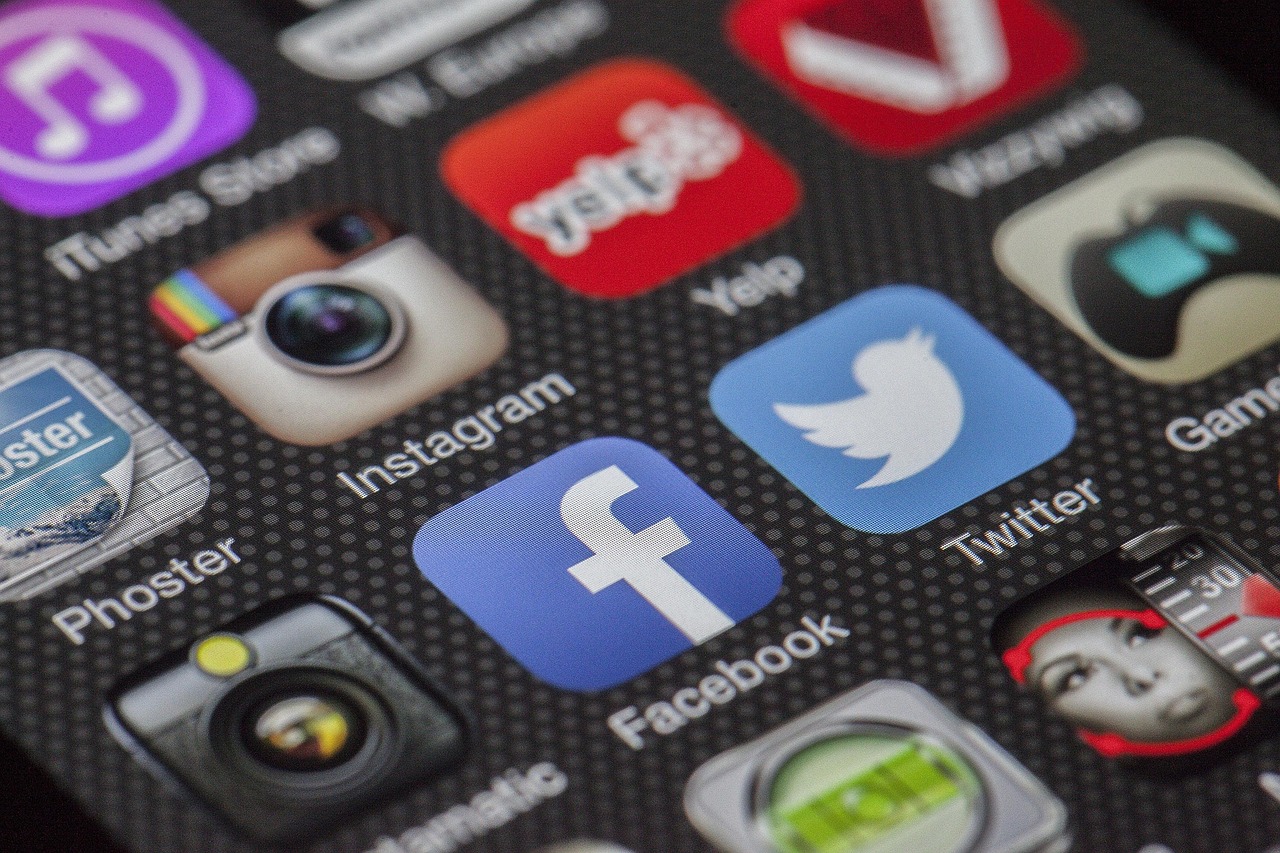
As of November 2025, social media continues to shape the way we connect, communicate, and build professional networks. The latest data reveals that Facebook remains the largest social network globally, boasting over 2.9 billion monthly active users. Following closely are YouTube and WhatsApp, with 2.5 billion and 2 billion users, respectively. TikTok, a rising star, has surged to 1.2 billion users, reflecting its growing influence, particularly among younger demographics.
These numbers are not just statistics; they represent a shift in how individuals, especially Gen Z, engage with the world around them. Understanding these trends is crucial for professionals looking to leverage social media for career advancement and networking opportunities.
Why This Matters Now
The significance of these trends extends beyond mere user counts. As social media platforms evolve, they increasingly serve as critical tools for professional networking and personal branding. A report by LinkedIn indicates that 70% of professionals find their current job through networking, highlighting the importance of these platforms in career development.
Moreover, the rise of TikTok and similar platforms illustrates a shift in content consumption and engagement styles. Younger generations prefer short, engaging video content over traditional text-based posts. This shift necessitates a reevaluation of how professionals present themselves online and engage with their networks.
A report by LinkedIn indicates that 70% of professionals find their current job through networking, highlighting the importance of these platforms in career development.
Context and Background
Social media’s evolution has been rapid. Facebook, launched in 2004, initially catered to college students but has since expanded to include a diverse user base. In contrast, TikTok, launched in 2016, capitalized on the growing demand for bite-sized, visually engaging content. As of 2025, the platform’s user base is predominantly Gen Z, with 60% of its users aged between 16 and 24.
According to a Pew Research Center study, 84% of Gen Z members use social media, with platforms like Instagram and Snapchat also ranking high in popularity. This demographic’s preferences are reshaping how companies approach marketing and recruitment, emphasizing the need for authentic engagement and creative content.
Analysis of Perspectives
Experts argue that the rise of social media as a networking tool presents both opportunities and challenges. On one hand, platforms like LinkedIn allow professionals to connect with industry leaders and potential employers. On the other hand, the oversaturation of content can make it difficult for individuals to stand out.
Dr. Emily Chen, a social media strategist, notes, “The key to success in this crowded space is authenticity. Users are drawn to genuine content that reflects real experiences and insights.” This perspective underscores the importance of personal branding in a digital age where superficiality often prevails.
You may also like
 News
NewsUAE may halt UK investments after Manchester City guilty verdict
The UAE's potential withdrawal of investments in the UK, following Manchester City's guilty verdict for financial breaches, could significantly impact the sports and real estate…
Read More →Experts argue that the rise of social media as a networking tool presents both opportunities and challenges.
Conversely, some analysts caution against over-reliance on social media for networking. According to a report by the Harvard Business Review, face-to-face interactions still hold significant value in building trust and rapport. The article emphasizes that while social media can enhance visibility, it should complement rather than replace traditional networking methods.
Looking Ahead
As we move further into 2026, the implications of these social networking trends will likely deepen. Companies are expected to invest more in social media marketing, recognizing its potential to reach targeted audiences effectively. Furthermore, the integration of artificial intelligence in social media platforms could personalize user experiences, making networking even more efficient.
For professionals, adapting to these changes will be crucial. Embracing new content formats and engaging authentically with audiences can enhance visibility and foster meaningful connections. As the landscape evolves, how will you adapt your networking strategies to harness the power of social media effectively?