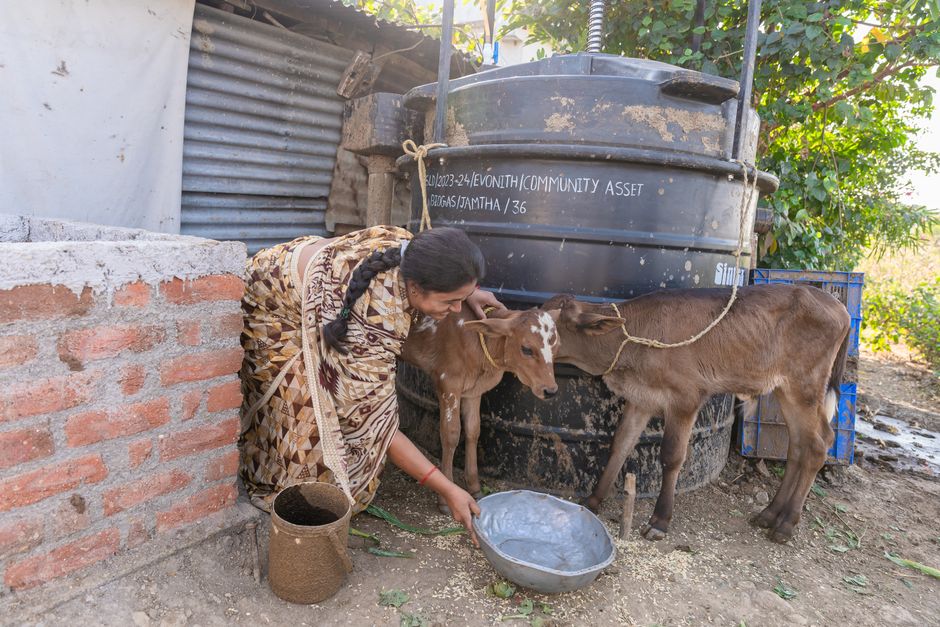
India is set to revolutionize its energy landscape with the GOBARdhan initiative, which aims to increase compressed biogas (CBG) production ten-fold. Launched on October 2, 2026, by Oil Minister Hardeep Singh Puri, this ambitious program seeks to convert agricultural and organic waste into a sustainable energy source. The initiative is projected to create over 1.5 lakh jobs and contribute approximately ₹75,000 crore to the GDP, while also reducing the country’s reliance on fossil fuels.
The GOBARdhan scheme provides capital assistance for CBG projects, focusing on the processing of organic waste, including agricultural residues and food waste. The government will support up to ₹30 crore per project, encouraging investments in both new and existing biogas plants. The target is to ramp up CBG production from the current 0.4 million standard cubic meters per day to between 4 and 6 million standard cubic meters daily. This increase is crucial as India aims to elevate the share of natural gas in its energy mix from 6-7% to 15% by 2030.
Transforming Waste into Energy: The Mechanism Behind GOBARdhan
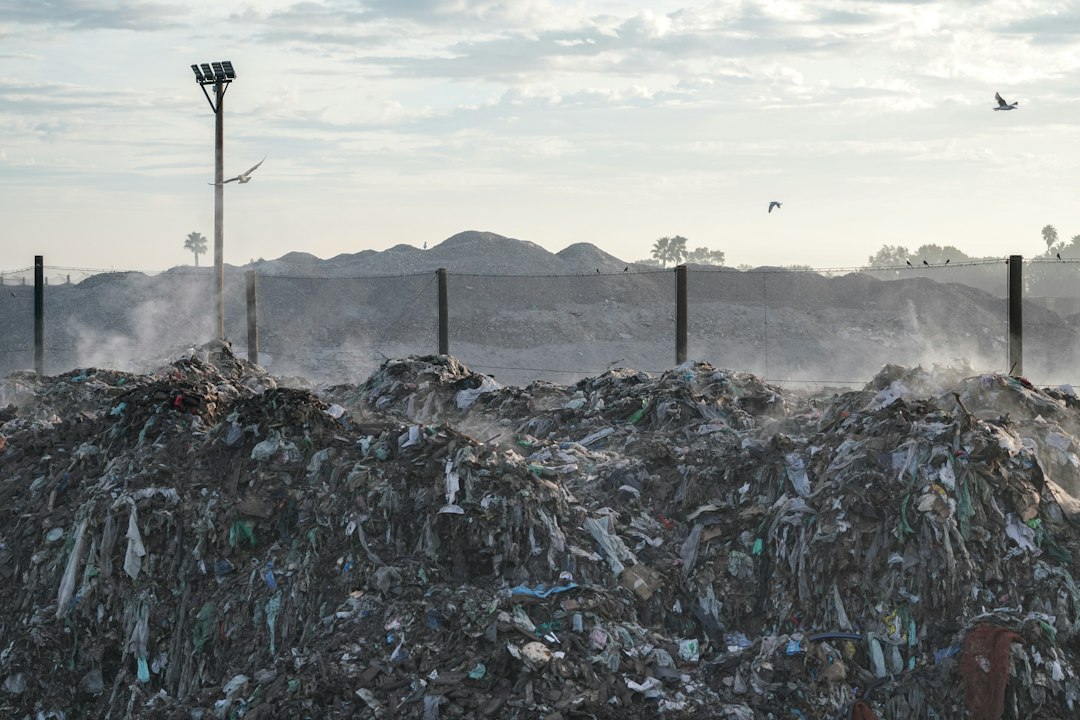
The GOBARdhan initiative is designed to transform how India manages waste and generates energy. By converting waste into biogas, the program aims to replace approximately 10 million tonnes of fossil fuel, significantly reducing carbon dioxide emissions. This transition to cleaner energy aligns with global efforts to combat climate change and promote sustainability.
A key feature of the GOBARdhan initiative is the guaranteed offtake of CBG produced from these projects. The government has established a price of ₹2,110 per million British thermal units, approximately ₹98 per kilogram. This pricing strategy ensures stable revenue for producers, encouraging more stakeholders to enter the biogas market.
Additionally, the initiative aims to produce around 250 million tonnes of organic manure, benefiting farmers and improving soil health. This dual benefit of energy production and agricultural support illustrates the program’s comprehensive approach to rural development and sustainability.
This dual benefit of energy production and agricultural support illustrates the program’s comprehensive approach to rural development and sustainability.
Job Creation and Economic Impact of GOBARdhan
The economic implications of the GOBARdhan initiative are substantial. The government estimates that it will create over 1.5 lakh jobs, primarily in rural areas where biogas plants will be established. These jobs will encompass various roles, from technical positions in plant operations to managerial roles overseeing projects.
Moreover, the initiative is expected to save more than ₹40,000 crore in fuel imports, thereby strengthening India’s energy security. By reducing reliance on imported fossil fuels, GOBARdhan not only boosts the economy but also enhances local community resilience, which is crucial as India strives for greater energy self-sufficiency.
As the GOBARdhan initiative progresses, the renewable energy sector must adapt to the influx of new projects and technologies. Ongoing training and education will be essential to prepare the workforce for the challenges and opportunities in this rapidly changing landscape.
Career Opportunities in Biogas Technology
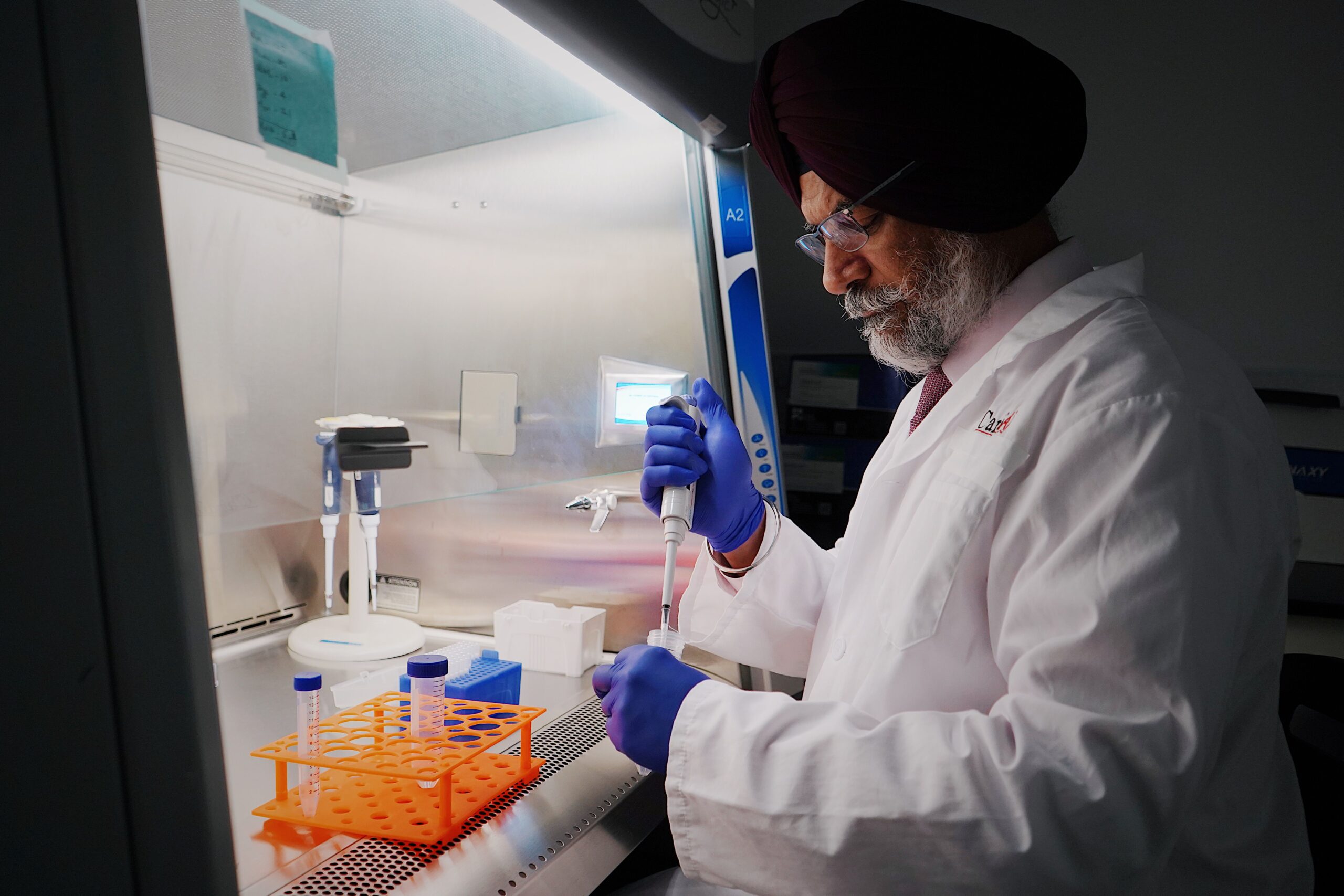
The GOBARdhan initiative is expected to create a demand for skilled professionals in biogas technology. With the anticipated rise in CBG production, renewable energy engineers and biogas specialists will find new roles in project development, plant management, and system optimization. The shift to biogas as a mainstream energy source necessitates a skilled workforce, presenting new career opportunities in the sector.
Career Ahead analysis indicates that the GOBARdhan initiative will generate numerous job opportunities for renewable energy engineers and biogas specialists. To prepare for the upcoming changes in CBG production, engineers should focus on gaining expertise in biogas production technologies and project management. Understanding the financial and operational aspects of CBG plants will be crucial as the market evolves.
Career Opportunities in Biogas Technology The GOBARdhan initiative is expected to create a demand for skilled professionals in biogas technology.
Frequently Asked Questions
What are the career opportunities in biogas technology due to GOBARdhan’s expansion?
Career Ahead analysis shows that the GOBARdhan initiative will create many job opportunities for renewable energy engineers and biogas specialists. With the expected increase in CBG production, these professionals will be in high demand to manage and optimize biogas plants.
How can renewable energy engineers prepare for the upcoming changes in CBG production?
Engineers in renewable energy should focus on gaining expertise in biogas production technologies and project management. Understanding the financial and operational aspects of CBG plants will be crucial as the market evolves.

What skills should biogas technology specialists develop to align with GOBARdhan’s goals?
Biogas technology specialists should enhance their knowledge in areas like anaerobic digestion processes, plant operations, and regulatory compliance. These skills will be essential as the industry grows and new projects are launched.
As the government commits to this ambitious plan, the question remains: how will the GOBARdhan initiative shape the future of energy production and job creation in India? The next few years will be crucial in determining the success of this transformative approach to renewable energy.
Written by Career Ahead AI. AI can make mistakes, so verify key facts. Report errors to support@careeraheadonline.com.