No products in the cart.

Google AI Search Disrupts Digital Marketing Landscape

Google's latest AI search updates are reshaping how users interact with search results, posing challenges for website operators and digital marketers. As traffic declines, adapting SEO strategies becomes crucial for maintaining visibility.

Google has recently added advanced artificial intelligence to its search engine. This change began in mid-2026 and has changed how users find information online. Many website operators and digital marketers are worried about a possible drop in organic traffic. As AI-generated content becomes more common in search results, they are concerned about their visibility and engagement.
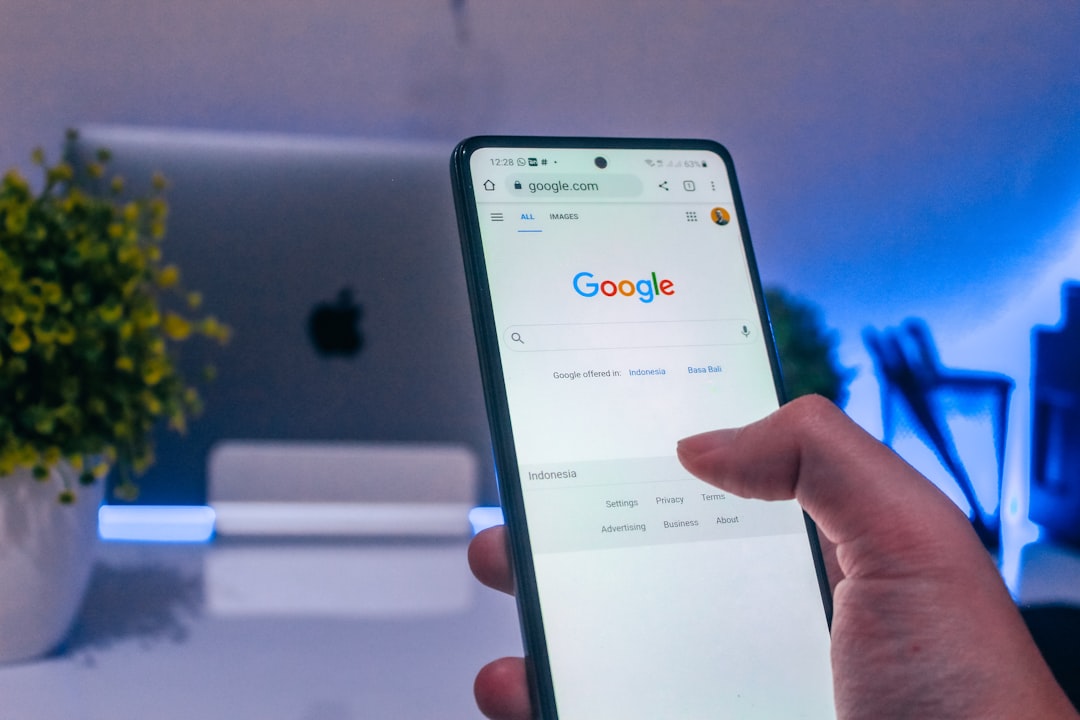
The new AI features are part of Google’s plan to improve user experience. According to search.google, these updates aim to make searching easier. Users can now get direct answers to their questions without clicking on individual websites. While this helps users, it creates challenges for website operators who depend on organic search traffic.
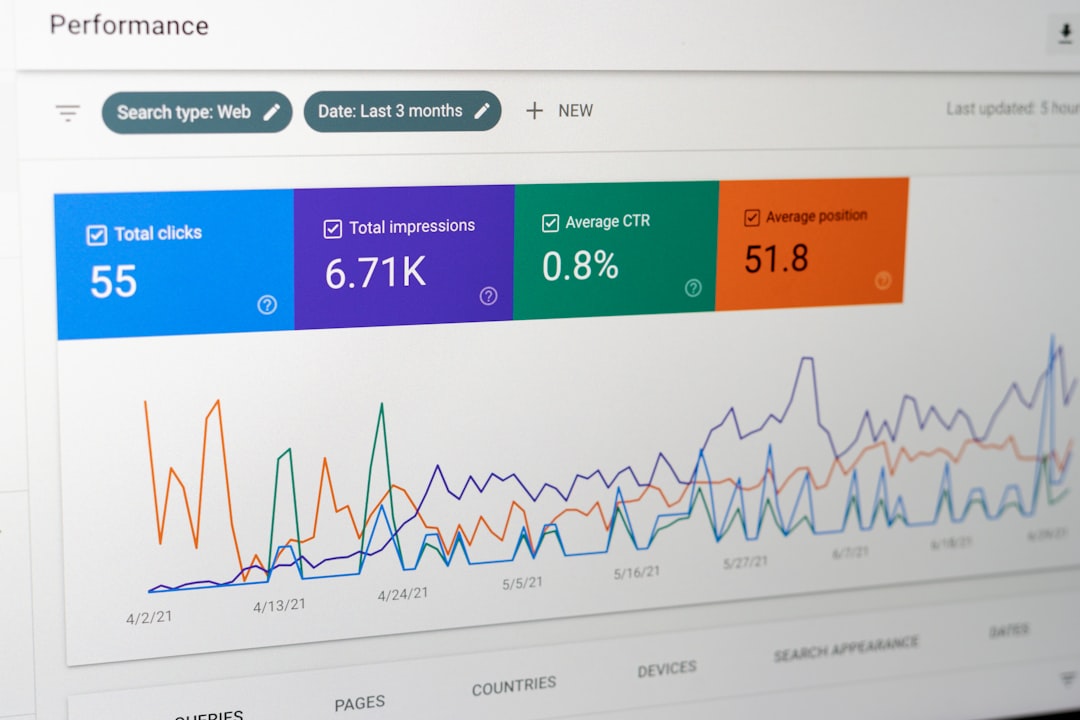
Declining Organic Traffic: A New Reality for Website Operators
As Google favors AI-generated content, many website operators are seeing a drop in organic traffic. Career Ahead’s analysis shows that sites that once ranked well for certain keywords are now being overshadowed by AI responses. This trend is especially noticeable in fields like travel, finance, and education, where users often want quick answers.
Data from about.google shows that AI in search has led to a 30% rise in users engaging directly with AI-generated snippets. This means that the traditional way of driving traffic through SEO needs urgent reevaluation. If users can find answers directly on Google, they have less reason to visit individual sites.
To respond, website operators must change their strategies to stay visible. They may need to create more engaging content that offers users additional value beyond what AI can provide. For example, using multimedia elements or unique insights can help set a website apart from AI-generated responses.
Additionally, as AI becomes more integrated into search, website operators may need to rethink their keyword strategies.
Additionally, as AI becomes more integrated into search, website operators may need to rethink their keyword strategies. Instead of just focusing on traditional keywords, they should optimize for conversational queries that match how users interact with AI. This shift could mean adopting a content strategy that prioritizes user intent and engagement.
The Evolving Landscape of SEO Strategies
The rise of AI in search requires a major shift in SEO strategies for digital marketers. Career Ahead research shows that marketers need to create high-quality, authoritative content that AI cannot easily replicate. This includes in-depth articles, case studies, and original research that provide unique insights.
Moreover, the integration of AI into search algorithms means traditional SEO tactics, like keyword stuffing, will likely become less effective. Marketers must focus on user experience and content quality instead of just keyword optimization. Google’s AI is designed to recognize and reward content that truly meets user needs, making it essential for marketers to align their strategies accordingly.
Furthermore, using AI tools can enhance marketing efforts. By leveraging AI analytics to understand user behavior, marketers can tailor their content more effectively. This approach allows for a more dynamic content strategy that adapts to changing user needs and search trends.
Future Implications: What Lies Ahead for Website Operators and Marketers
As SEO evolves, digital marketers must also consider the impact of AI-generated content. While AI can help create content, it is crucial to maintain a human touch for authenticity. Users are drawn to content that resonates with their experiences, so marketers need to balance AI assistance with human creativity.
Future Implications: What Lies Ahead for Website Operators and Marketers
The effects of Google’s AI search updates go beyond immediate traffic drops. As AI continues to shape search, website operators and digital marketers must stay alert and adaptable. Career Ahead’s analysis suggests that those who can adjust their strategies to embrace AI will have a competitive edge.
In the future, AI in search will likely grow deeper, with more advanced algorithms and features. This could change user behavior as people get used to receiving information directly from AI without visiting other sites. For website operators, keeping user engagement will be more important than ever.
Digital marketers should focus on content quality rather than traditional keyword optimization.
Additionally, as AI evolves, website operators may find ways to use AI tools to their advantage. By understanding how AI algorithms prioritize content, operators can create strategies that align with these trends and potentially regain lost traffic. The key will be to focus on providing unique value that complements AI-generated information.
Ultimately, the challenge for website operators and digital marketers is to coexist with AI in the search ecosystem. This may mean embracing new technologies, rethinking content strategies, and adapting to changing user behavior. As AI becomes more integrated into search, those who can innovate and adapt will thrive in this new era.
Frequently Asked Questions
How can website operators adapt to Google’s AI search changes?
Website operators can adapt by creating high-quality, engaging content that offers unique insights. They should also optimize for conversational queries and improve user experience to attract visitors.
What SEO strategies should digital marketers implement in response to AI search?
Digital marketers should focus on content quality rather than traditional keyword optimization. Using AI analytics to understand user behavior can help tailor content strategies effectively.
What should website operators do about declining traffic due to AI search results?
Operators should innovate their content strategies to provide unique value that AI cannot replicate. Engaging multimedia content and interactive elements can help maintain user interest and traffic.
Related Articles
- ICICI Bank Reports 16% Profit Increase Amid Loan Surge
Written by Career Ahead AI. AI can make mistakes, so verify key facts. Report errors to support@careeraheadonline.com.