Google Halts Finland Datacentre Projects Over Environment
Google has been ordered to halt work on two datacenters in Finland due to environmental concerns, raising questions about the ecological impact of large-scale tech projects globally.
Finland — Google has been ordered to halt work on two datacenters due to environmental concerns. The Finnish Licensing and Supervision Authority issued a notice requiring the company to stop construction at its sites in Muhos and Kajaani. This suspension follows revelations that Google had cleared significant areas of forest without completing necessary environmental impact assessments (EIA). According to reports from Le Monde, the halt was prompted by the alarming scale of deforestation, which has raised serious questions about the long-term ecological consequences of such extensive land use.
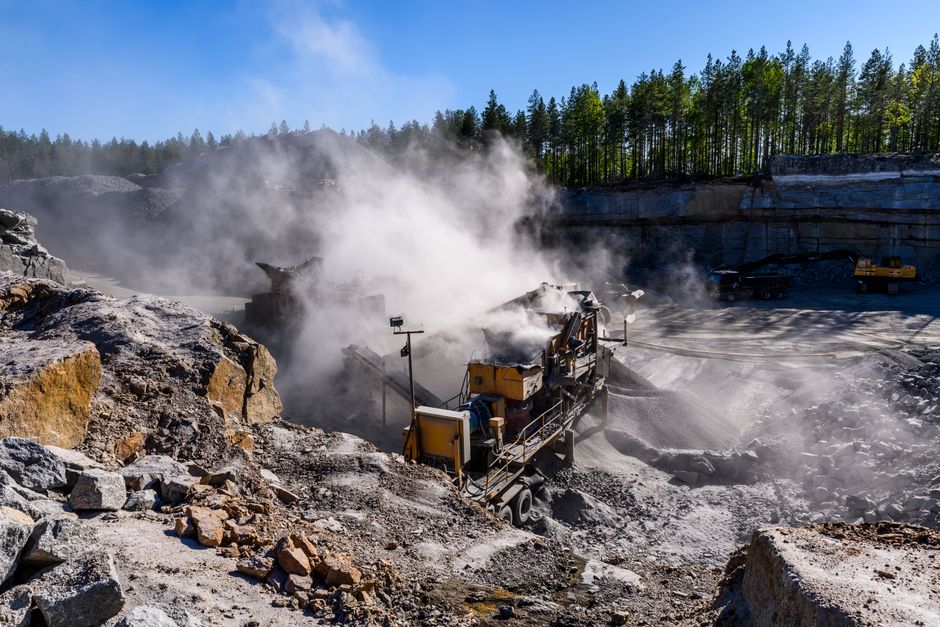
The halted datacenters are part of a €13 billion investment aimed at expanding Google’s cloud infrastructure in northern Finland. However, the Finnish Association for Nature Conservation reported that over 330 hectares (815 acres) of forest were cleared in Muhos, and nearly 200 hectares (494 acres) in Kajaani, raising alarms about the environmental implications of such extensive land use. The clearing of these forests not only disrupts local ecosystems but also contributes to broader climate change concerns, as highlighted by The Climate Watch.
Consequences for Cloud Infrastructure Projects
The suspension of Google’s datacenter projects in Finland will significantly affect cloud infrastructure engineers. Project timelines will be delayed as Google must now focus on completing the environmental assessments mandated by the authorities. This could lead to a ripple effect, where engineers may need to adjust their schedules and project plans accordingly. The implications of this halt are not just logistical; they also raise concerns about the future of cloud service expansion in the region.
Career Ahead’s analysis finds that the disruption in construction timelines could lead to a slowdown in cloud service expansion in the region. Engineers who were prepared to deploy new technologies or expand services may find themselves in a holding pattern until clarity on compliance is achieved. This uncertainty may also affect job security for those involved in these projects. Furthermore, the demand for cloud infrastructure continues to grow, and delays in project execution could hinder Google’s ability to meet market needs. Engineers may need to explore alternative strategies to maintain service levels while navigating the regulatory landscape, which is becoming increasingly complex.
As regulations become more stringent, the ability to anticipate and address these requirements will be essential for successful project execution.
The halt also underscores a critical need for cloud infrastructure engineers to integrate environmental considerations into their project planning. As regulations become more stringent, the ability to anticipate and address these requirements will be essential for successful project execution. The situation in Finland serves as a wake-up call for engineers to prioritize sustainability in their designs, ensuring compliance with both local and international environmental standards.
The recent order to halt construction highlights a growing trend of regulatory scrutiny on environmental policies that affect tech companies. As the demand for data centers increases, so does the pressure on companies to comply with environmental standards. The Finnish authorities’ decision reflects a broader concern about the ecological impact of large-scale tech projects. According to TechSpot, the rapid expansion of datacenters has often outpaced regulatory frameworks, leading to significant environmental degradation. This situation presents a challenge for cloud infrastructure engineers, who must now work within tighter constraints to ensure compliance with environmental regulations.
Moreover, the Finnish Association for Nature Conservation stated that the market dynamics have contributed to this oversight, with companies rushing to meet demand without proper assessments. This scenario puts engineers at the forefront of balancing technological advancement with ecological responsibility. As tech companies face increased scrutiny, engineers will need to develop skills in environmental impact assessment and sustainable design. Understanding the implications of their work on local ecosystems will become a vital component of their roles, requiring ongoing education and adaptation to new regulations.
Shifts in Investment and Job Opportunities
The suspension of Google’s datacenter construction in Finland may lead to a reconsideration of where tech companies establish their infrastructure. As regulatory challenges mount in regions like Finland, companies might look to relocate or expand in areas with more lenient environmental regulations. Career Ahead’s research identifies that this trend could result in a shift of investment toward countries that offer a more favorable regulatory environment for datacenter development. This could influence job opportunities for cloud infrastructure engineers, as demand may rise in regions that welcome such investments.
Tech companies may also invest in developing technologies that minimize environmental impact to comply with regulations better. This shift could create new roles for engineers specializing in sustainable technology solutions, further diversifying the skill set required in the industry. As the tech industry grapples with these challenges, the future of cloud infrastructure development may hinge on the ability to innovate responsibly. How companies respond to regulatory pressures will shape the direction of infrastructure projects and the careers of those involved in them.
The new platform by Google and Unity enables game developers to create video games from prompts, streamlining the development process and making game design more…
Understanding the implications of their work on local ecosystems will become a vital component of their roles, requiring ongoing education and adaptation to new regulations.
Frequently Asked Questions
What are the environmental regulations affecting cloud infrastructure projects?
Environmental regulations for cloud infrastructure projects often include requirements for environmental impact assessments, sustainability practices, and adherence to local conservation laws. In Finland, the halt of Google’s datacenter construction highlights the necessity of these assessments before proceeding with significant land development.
How can environmental policy analysts assess the impact of tech companies on local ecosystems?
Environmental policy analysts can assess the impact of tech companies by conducting thorough environmental impact assessments, reviewing compliance with regulations, and monitoring ecological changes in affected areas. This analysis is crucial for ensuring that tech developments do not harm local ecosystems.
What should cloud infrastructure engineers consider when planning projects in environmentally sensitive areas?
Cloud infrastructure engineers should consider local environmental regulations, conduct comprehensive environmental impact assessments, and incorporate sustainability practices into their project designs. Understanding the ecological implications of their work is essential for successful project execution in sensitive areas.
Written by Career Ahead AI. AI can make mistakes, so verify key facts. Report errors to support@careeraheadonline.com.
Career Ahead AI is Career Ahead Magazine's in-house AI newsroom, reporting on careers, education, jobs and business. It produces original summaries and analysis drawn from publicly available sources, with those sources credited, and operates under the editorial oversight of the Career Ahead team. AI can make mistakes, so please tell us when something looks wrong. Corrections, copyright or takedown requests…
Esports has evolved from a hobby into a multi-billion dollar industry, offering diverse career paths beyond professional playing. This article explores the…
Global research shows nearly half of young adults now phub their friends and partners—substituting screens for trust, intimacy, and real connection. The…


 AI & Technology

AI & Technology






