No products in the cart.

Guarding Creativity: Navigating AI in Intellectual Property Law
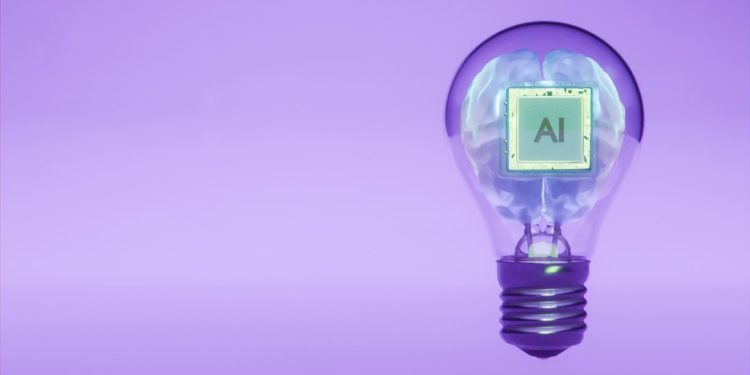
As AI transforms creativity, legal careers are evolving to protect intellectual property rights. Discover the future of this vital field.

San Francisco, USA — In a world where creativity can be birthed by algorithms, the legal landscape is shifting beneath our feet. The rise of artificial intelligence (AI) has opened new doors—and posed unprecedented challenges—within the realm of intellectual property (IP) law. As AI-generated content becomes increasingly indistinguishable from human creation, the question looms: Who owns the rights to these digital masterpieces?
For decades, intellectual property law has served as the backbone of creativity, protecting the rights of artists, writers, and inventors. However, as AI tools like OpenAI’s ChatGPT and Google’s Bard rise in popularity, they push the boundaries of traditional IP frameworks. The legal implications ripple through industries from entertainment to healthcare, prompting a re-evaluation of what it means to create.
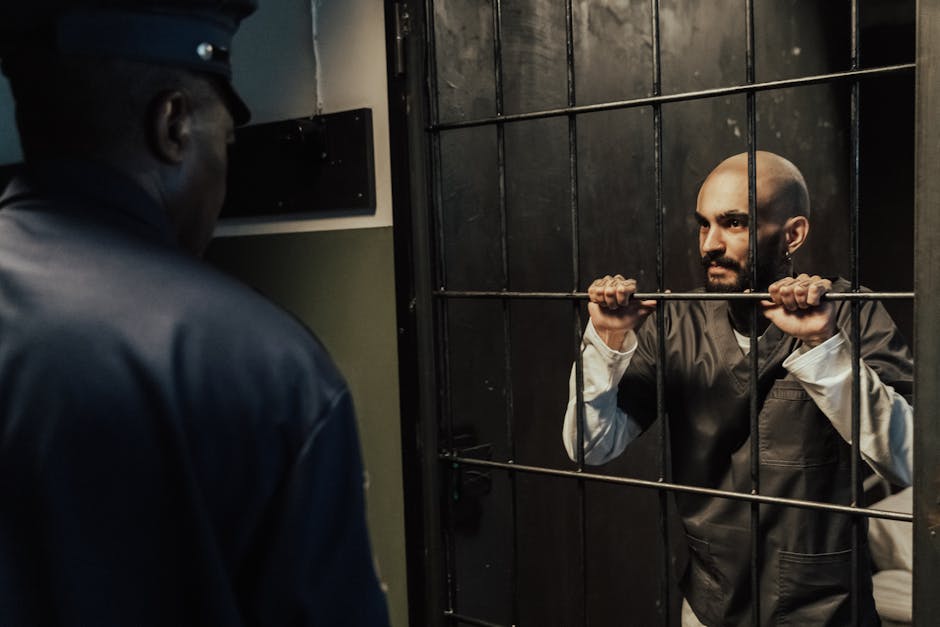
The U.S. Copyright Office has begun to address this seismic shift. In 2022, it ruled that works generated solely by AI are not eligible for copyright protection, a decision that sent shockwaves through the creative community. This ruling raises critical questions for creators and legal professionals alike: If AI can produce art, literature, and music, who is the rightful owner? The programmer? The user? Or does the AI itself hold some claim to its creations?
As the conversation evolves, so too do the career paths within legal and compliance sectors. Legal professionals specializing in IP law are now tasked with navigating uncharted territory. They must advocate for new regulations that account for the unique challenges posed by AI. This includes drafting legislation that defines ownership and rights for AI-generated works, a task that requires not only legal expertise but also a deep understanding of technology.
This ruling raises critical questions for creators and legal professionals alike: If AI can produce art, literature, and music, who is the rightful owner?
You may also like
 AI & Technology
This startup is issuing AI-generated acne prescriptions
Nolla Health's AI system analyzes acne severity and autonomously writes prescriptions for treatments. This pilot program costs $4.99 per month and is available to Utah…
Read More →Moreover, the landscape is further complicated by varying international standards. In Europe, for example, the European Union is working on a directive to adapt copyright law to the digital age, with a focus on AI. Here, we see a contrasting approach that may lead to a fragmented global IP system, where rights and protections differ dramatically depending on location. This disparity could present both challenges and opportunities for legal professionals worldwide.
Consider the case of Maria, a graphic designer in London who uses AI tools to enhance her artwork. Maria has been experimenting with an AI program that generates unique designs based on her input. The program’s output is stunning, but she hesitates to market her creations. With the current legal framework offering little clarity, she risks infringing on copyright laws that may not even recognize her AI-assisted work as hers. This uncertainty looms over many creators, stifling innovation and the potential for economic growth.
On the flip side, the rise of AI in creative fields is not all doom and gloom. It also presents a golden opportunity for lawyers to become pioneers in a new legal frontier. The demand for legal expertise in AI-related IP cases is skyrocketing. Law firms are increasingly looking to hire professionals who not only understand the law but are also tech-savvy. Those who can bridge the gap between law and technology will be the future leaders in this field.
Educational institutions are taking notice. Law schools are beginning to offer specialized courses in AI and intellectual property law. Programs are emerging that integrate technology into traditional legal curricula, preparing the next generation of lawyers for a future where AI plays a crucial role in the creative process. Graduates equipped with this knowledge will be essential in crafting policies that protect creators while fostering innovation.
Meanwhile, the gig economy is also feeling the impact. Freelance creators, such as writers and artists, are increasingly using AI tools to enhance their output. However, as they navigate the murky waters of IP rights, they may require legal counsel to ensure their work remains protected. This creates an avenue for legal professionals to offer services tailored to freelancers, providing them with guidance in an era of rapid technological change.
You may also like
 AI & Technology
Beam Unveils Affordable AI Model to Disrupt Competitors
Reflection AI's Beam model, launched on October 5, 2026, is set to disrupt the AI market by offering a cost-efficient alternative to leading Chinese models.…
Read More →As the legal landscape continues to evolve, companies are also beginning to adapt. Startups focused on AI are seeking legal advice to navigate the complexities of IP rights from the outset. These businesses recognize that a robust legal framework is essential for their growth, ensuring that they can innovate without infringing on existing rights. Legal consultants specializing in AI and IP can play a vital role in this process, helping startups protect their innovations while fostering collaboration.
Programs are emerging that integrate technology into traditional legal curricula, preparing the next generation of lawyers for a future where AI plays a crucial role in the creative process.
Looking ahead, the future of intellectual property in the age of AI is a double-edged sword. While challenges abound, opportunities are equally plentiful for those ready to embrace the complexities of this new landscape. For legal professionals, the key will be to remain agile and informed. They must advocate for clear, fair regulations that protect creators while fostering the innovative spirit that technology enables.
As we stand on the brink of this new era, one thing is clear: the intersection of AI and intellectual property law is not just a battleground for rights; it is a fertile ground for new ideas, careers, and collaborations. The lawyers of tomorrow will be the champions of this emerging frontier, crafting a legal framework that not only protects but inspires creativity in its many forms.