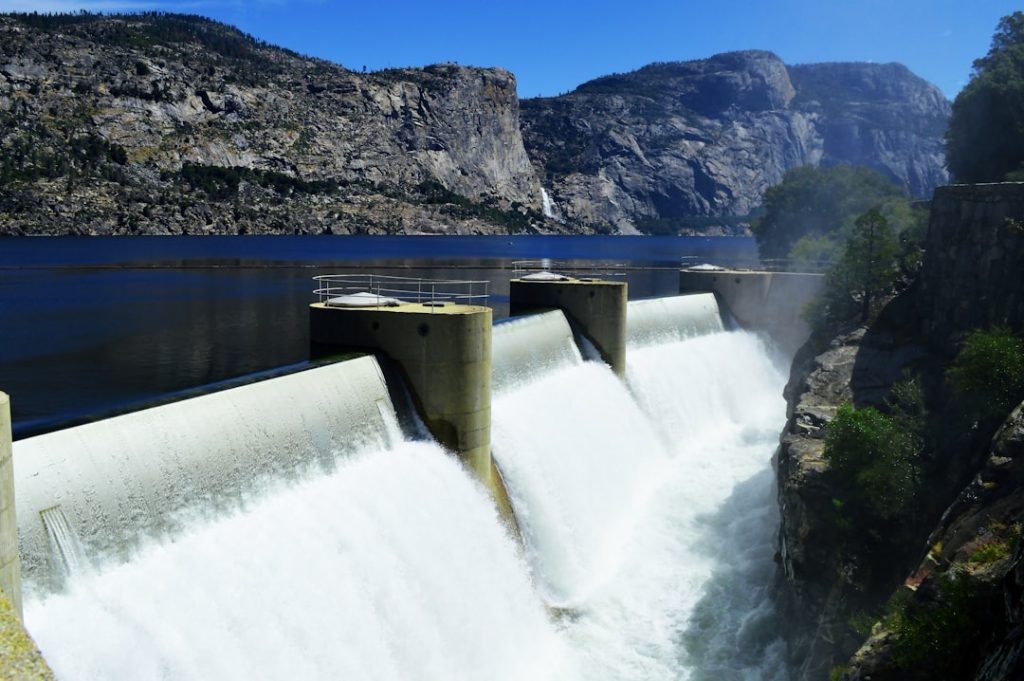
Portland, USA — The roar of rushing water meets the whir of computer algorithms in a new age of hydropower. Here, in the heart of Oregon, artificial intelligence is not just a buzzword; it’s a game-changer. AI technologies are revolutionizing how we harness and manage our vital water resources, creating a ripple effect across industries and opening doors to innovative career paths in hydro engineering.
Hydropower has long been a cornerstone of renewable energy, but traditional methods of managing water flows and dam operations often fall short. Enter AI. With its ability to analyze vast datasets in real-time, AI is empowering engineers to optimize water usage, predict flow rates, and enhance the efficiency of existing infrastructure. As we face the challenges of climate change and resource scarcity, the stakes have never been higher.

The potential for AI in hydropower is not just theoretical. In fact, companies like GE Renewable Energy are already leveraging machine learning algorithms to predict water flows with unprecedented accuracy. By analyzing weather patterns, historical data, and even satellite imagery, these systems enable operators to make informed decisions about when to release water and generate electricity. The result? A more efficient operation that maximizes output while minimizing environmental impact.
Beyond resource management, AI is also paving the way for new job opportunities in hydro engineering. As the industry evolves, it increasingly demands professionals skilled in both engineering principles and data analytics. Universities and training institutions are beginning to recognize this need, adapting their curricula to prepare the next generation of engineers for a data-driven future. Programs now include courses on machine learning, data visualization, and predictive modeling, blending traditional engineering education with cutting-edge technology.
As the industry evolves, it increasingly demands professionals skilled in both engineering principles and data analytics.
However, with opportunity comes challenge. The integration of AI in hydropower raises questions of ethics and equity. As companies adopt these technologies, there’s a risk of widening the gap between those with access to education and training in AI and those without. The challenge is to ensure that the benefits of AI are accessible to a diverse workforce, fostering an inclusive environment where everyone can contribute to and benefit from these innovations.
Moreover, as the energy landscape shifts, so too do the regulatory frameworks governing it. Policymakers are grappling with how to incentivize the adoption of AI technologies while ensuring that environmental standards are met. This is where collaboration between the public and private sectors becomes crucial. By working together, they can create a regulatory environment that not only supports innovation but also prioritizes sustainability.
As we look to the future, the intersection of AI and hydropower is poised to redefine the energy sector. For those considering a career in this field, the message is clear: adaptability is key. Engineers and technicians will need to embrace new technologies and continuously update their skill sets to remain relevant in an increasingly automated landscape.
Ultimately, the integration of AI in hydropower is more than just a technological advancement; it’s a movement towards a more sustainable future. As we harness the power of data, we are not only optimizing resources but also creating a new generation of problem solvers ready to tackle the challenges of tomorrow.
 AI & Technology
Nasdaq’s October 6 High Is Past as US Stocks Fall
Chip shares dropped sharply as the S&P 500 and Nasdaq recorded monthly losses, while the Dow ended October with a gain.
Read More →For those considering a career in this field, the message is clear: adaptability is key.
In this shifting terrain, one thing is certain: the future of hydropower is bright, and those who are willing to innovate and learn will be at the forefront of this exciting new frontier.
Written by Career Ahead AI. AI can make mistakes, so verify key facts. Report errors to support@careeraheadonline.com.