


Imagine a world where the fear of road accidents dissipates, replaced by the confidence that technology has your back. This isn’t a distant dream; it’s the reality that artificial intelligence (AI) is forging in the transportation sector. As AI-powered tools become more sophisticated, they are not only enhancing safety measures but also creating a wave of new job opportunities.
According to the National Highway Traffic Safety Administration, nearly 38,000 people lost their lives in car accidents in the U.S. alone in 2020. With statistics like these, the stakes couldn’t be higher. Enter AI, with its predictive capabilities and data analysis prowess, aiming to change the narrative around road safety.
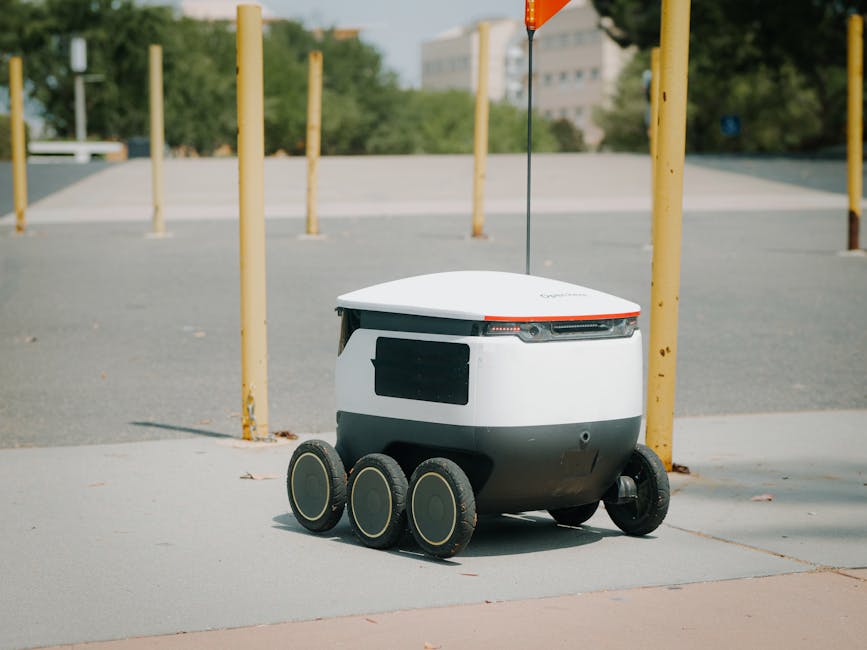
At the forefront of this revolution are companies like Waymo and Tesla, which have pioneered the use of AI in their autonomous vehicles. They leverage vast amounts of data from sensors and cameras to predict potential accidents before they occur. By analyzing driving patterns, weather conditions, and even the behavior of pedestrians, AI can alert drivers to imminent dangers, providing a second chance where seconds count.
But how does this technology translate into job opportunities? As AI continues to penetrate the transportation sector, the need for skilled professionals who can develop, manage, and improve these systems is growing exponentially. According to a report by the World Economic Forum, AI could create 133 million new jobs globally by 2022, with significant demand in fields related to AI development and data analysis.
As AI continues to penetrate the transportation sector, the need for skilled professionals who can develop, manage, and improve these systems is growing exponentially.
Consider the story of Sarah, a 28-year-old data scientist who transitioned from a traditional analytics role to a position at an AI-driven transportation startup. “I was drawn to the challenge of making roads safer,” she shares. “Working with AI feels like I’m part of something bigger—something that can save lives.” Her journey exemplifies how the rise of AI is not just a technological shift but a transformational opportunity for many.
The Intersection of Technology and Human Skill
However, the integration of AI in transportation isn’t without its challenges. Critics argue that while technology can enhance safety, it is not infallible. “AI systems can sometimes misinterpret data, leading to false alerts or missed predictions,” warns Dr. Emily Chen, an AI ethics researcher. “We must ensure that human oversight remains a critical component in these systems.”
This raises an important question: how do we balance the capabilities of AI with the irreplaceable value of human intuition? The answer lies in collaboration. As AI takes on more predictive tasks, professionals in transportation must adapt by honing their soft skills, such as critical thinking and emotional intelligence. These attributes will be vital in interpreting AI data and making informed decisions on the road.
Moreover, the rise of AI in transportation opens doors for diversity and inclusion within the industry. As new roles emerge, there is a unique opportunity to encourage underrepresented groups to enter tech fields. Initiatives aimed at increasing diversity in STEM education can help bridge the gap, ensuring that the workforce reflects the society it serves.
For instance, organizations like Black Girls Code and the National Society of Black Engineers are working tirelessly to inspire young women and minorities to pursue careers in technology. “We need diverse perspectives to build better AI,” emphasizes Lisa, a program coordinator at Black Girls Code. “If we’re going to create tools that affect everyone, they should be developed by people from all walks of life.”
Looking Ahead: The Future of AI in Transportation
As we look to the future, it’s clear that AI will play a pivotal role in shaping the transportation landscape. The potential for accident prevention is immense, but it must be pursued responsibly. Policymakers, educators, and industry leaders must work together to create a framework that not only promotes technological advancement but also prioritizes safety and inclusivity.
Initiatives aimed at increasing diversity in STEM education can help bridge the gap, ensuring that the workforce reflects the society it serves.
Additionally, as AI evolves, so too will the job market it creates. New roles will emerge that we can’t yet imagine, driven by the need for innovation and safety. From AI ethicists who ensure responsible use of technology to data analysts who interpret complex datasets, the landscape is rich with possibilities.
The challenge for today’s youth is to harness their passion for technology and channel it into meaningful careers. With a proactive approach to skill development and a willingness to embrace change, the next generation can not only thrive in this new environment but also shape it for the better.
In conclusion, as we navigate this brave new world of AI in transportation, let us remember that technology should serve humanity, not the other way around. With the right blend of innovation, oversight, and inclusivity, we can build a future where roads are not just safer, but also more equitable for all.
Written by Career Ahead AI. AI can make mistakes, so verify key facts. Report errors to support@careeraheadonline.com.





