No products in the cart.

Haryana Colleges Face Severe Staff Shortage: 69 Without Principals, 60% Teaching Posts Vacant

Haryana's colleges are struggling with a significant staff shortage, including 69 without principals and 60% of teaching posts vacant. This crisis affects students and academic quality.

Mahendragarh, India — Colleges in Haryana are grappling with a severe staffing crisis. A recent report reveals that 69 out of 185 sanctioned principal posts across government colleges in the state remain vacant. This alarming situation is compounded by a staggering 60% vacancy rate among teaching staff, with nearly 4,902 out of 8,137 assistant professor positions unfilled. The implications for students and academic quality are significant, raising urgent questions about the future of education in the region.
The data, obtained through a Right to Information (RTI) request filed by the Haryana Soochna Adhikar Manch, highlights the critical challenges faced by educational institutions in the state. The worst affected district, Mahendragarh, has 14 out of its 15 government colleges operating without regular principals. Other districts, such as Fatehabad and Jhajjar, are also struggling, with 10 and 7 colleges respectively lacking permanent leadership. This shortage severely undermines institutional administration and academic planning, leaving students in a precarious position.
Moreover, the teaching staff crisis exacerbates the issue. The decline in the number of regular assistant professors from 3,368 last year to 3,235 this year indicates a troubling trend. Subjects such as English, Geography, and Commerce are particularly affected, with hundreds of vacancies remaining unfilled. The absence of regular teachers in critical subjects like Environment, Anthropology, and IT further complicates the educational landscape.
Why Haryana Colleges Are Facing Staffing Challenges
The staffing crisis in Haryana’s colleges is not an isolated incident; it reflects broader systemic issues within the state’s education sector. Factors contributing to this situation include bureaucratic delays in recruitment processes and a lack of effective policies to attract qualified candidates. Despite assurances from the state government regarding ongoing recruitment efforts, no significant progress has been made in filling these vital positions.
Why Haryana Colleges Are Facing Staffing Challenges The staffing crisis in Haryana’s colleges is not an isolated incident; it reflects broader systemic issues within the state’s education sector.
You may also like
 Education & University Insights
Cornell University Faces Nightlife Challenges Amid Recent Turmoil
Cornell University is grappling with a decline in student nightlife and social engagement following serious allegations on campus. This shift not only affects student life…
Read More →One major hurdle is the lengthy recruitment process. While the Haryana Public Service Commission has conducted tests for some subjects, the appointment delays have left many institutions relying on extension lecturers. This temporary measure cannot replace the stability and continuity provided by regular faculty members, ultimately affecting the quality of education.
Additionally, the lack of competitive salaries and benefits for teaching staff in Haryana compared to other states may deter potential candidates. As a result, many qualified educators opt for opportunities elsewhere, further exacerbating the staffing crisis. This trend not only impacts the current academic environment but also poses long-term risks for the state’s educational standards.
Students are undoubtedly the most affected by this crisis. With colleges operating without regular principals and a significant number of teaching positions vacant, the quality of education suffers. The reliance on extension lecturers often leads to inconsistencies in teaching quality, leaving students with an uncertain academic experience. Furthermore, the absence of strong leadership can hinder effective decision-making and institutional development.
How This Affects Students’ Academic Experience
The academic experience of students in Haryana’s colleges is at stake due to the ongoing staff shortages. With many subjects lacking regular teachers, students may find themselves without adequate support in crucial areas of study. This gap can lead to lower academic performance and decreased engagement among students, ultimately affecting their future career prospects.
Furthermore, the lack of principals means that colleges may struggle to implement effective academic programs and initiatives. Without strong leadership, institutions may face challenges in maintaining standards, organizing extracurricular activities, and fostering a positive learning environment. This can lead to a decline in student morale and motivation, further impacting their educational journey.
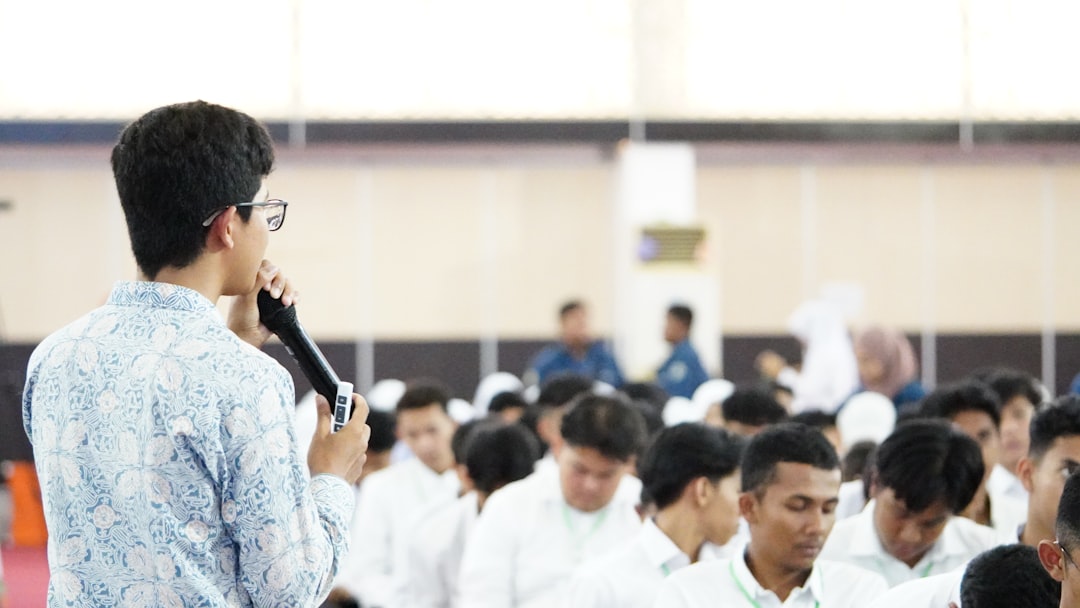
Moreover, the uncertainty surrounding faculty appointments creates an environment of instability. Students may feel anxious about the quality of their education and the qualifications of their instructors. This lack of confidence can hinder their ability to focus on their studies, resulting in a less favorable academic outcome.
You may also like
 Education & University Insights
Inside the Enrollment Cliff Hitting US Colleges
US colleges are facing a dramatic decline in enrollment numbers, a trend that has been accelerating since 2022. This decline poses significant challenges for institutions,…
Read More →This gap can lead to lower academic performance and decreased engagement among students, ultimately affecting their future career prospects.
Steps to Address the Staffing Crisis in Haryana Colleges
- Advocate for expedited recruitment processes: Students, educators, and stakeholders should push for faster recruitment timelines to fill vacant principal and teaching positions.
- Enhance salary packages: The state government must consider improving salaries and benefits for teaching staff to attract qualified educators.
- Implement mentorship programs: Establishing mentorship initiatives can help new educators acclimate to their roles and improve teaching quality.
- Engage with community resources: Colleges should collaborate with local businesses and organizations to create internship and job placement opportunities for students.
However, some experts caution that simply increasing salaries may not solve the staffing crisis. They argue that without addressing underlying issues such as bureaucratic inefficiencies and a lack of institutional support, the problem may persist. A recent study by the National Institute of Educational Planning and Administration suggests that a comprehensive approach is needed to tackle the complexities of staffing shortages in higher education.
The Future of Education in Haryana
The future of education in Haryana hinges on the ability of the state to address these staffing shortages effectively. Without immediate action, the quality of education may continue to decline, impacting students’ learning experiences and career prospects. As the demand for skilled educators grows, the urgency to fill these vacant positions becomes critical.
As stakeholders in the education sector, it is essential to remain proactive in advocating for necessary changes. Whether through community engagement, policy reform, or support for educational initiatives, collective efforts can help reshape the future of Haryana’s colleges. Will the state government prioritize education and take decisive steps to resolve this crisis?