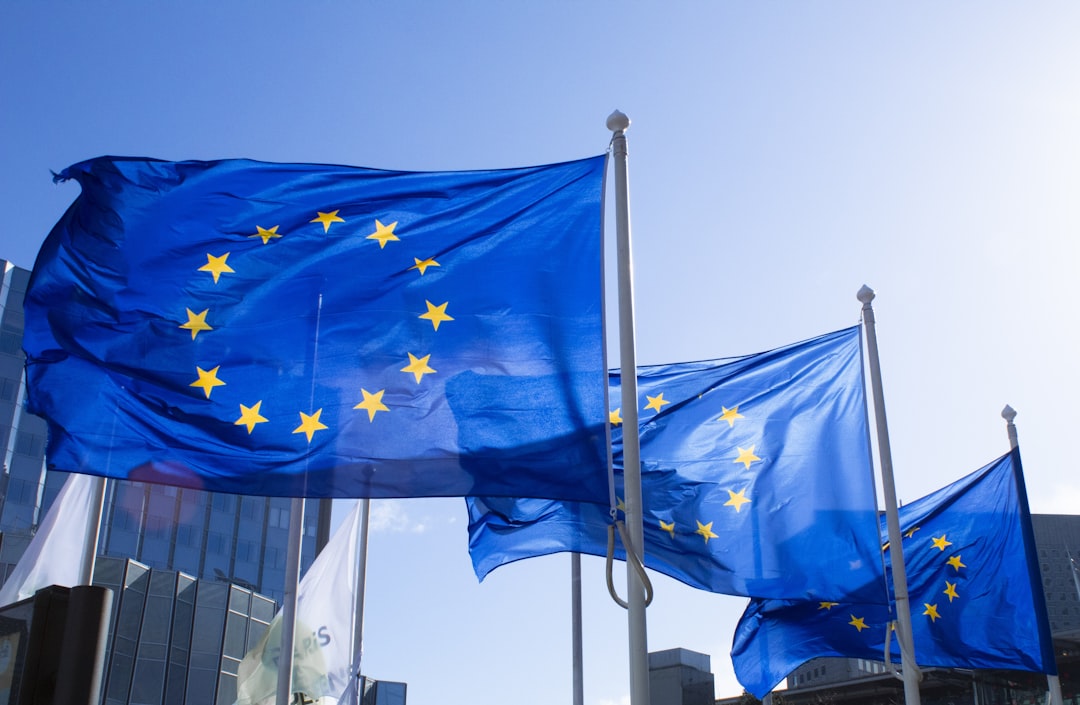
Extreme heatwaves are wreaking havoc on Europe's economy, particularly affecting tourism, energy, and agriculture. With billions at stake, industries must adapt to survive in this changing climate.
Europe is grappling with severe economic repercussions from the extreme heatwaves that have swept across the continent this summer. Economists estimate that these heatwaves could slash the EU’s GDP by €180 billion, significantly impacting key sectors such as tourism and energy.
Countries like France, Germany, and Spain are experiencing the brunt of these challenges. The energy sector is under pressure from soaring demand and dwindling supply, while tourism is being reshaped as travelers seek cooler destinations.
Tourism Sector Struggles Amid Heatwaves
Tourism is a cornerstone of Europe’s economy, providing millions of jobs and contributing significantly to GDP. However, the recent heatwaves have led to a notable decline in visitor numbers in several regions. For instance, Spain, typically bustling with tourists during the summer, has seen shifts in travel patterns due to extreme temperatures. While some tourists flock to the beaches, others are opting for cooler locales.
According to analysis from Career Ahead, the UK alone has suffered an estimated £4.4 billion loss in tourism revenue by the end of July. This decline is particularly alarming for countries like Italy and Spain, where tourism is a major economic driver. The Italian agricultural group Coldiretti reports that the heat has cost producers approximately €20 billion over the past four years, adversely affecting local economies reliant on tourism and agriculture.
The heatwaves are also altering the types of experiences tourists seek, with many now looking for cooler alternatives. This shift may lead to lasting changes in travel habits, prompting tourism professionals to rethink their strategies. Innovations may include developing more indoor attractions, promoting cooler destinations, and enhancing services that provide relief from the heat.
This shift may lead to lasting changes in travel habits, prompting tourism professionals to rethink their strategies.
Energy Sector Faces Supply and Demand Crisis
The energy sector is experiencing significant strain due to the heatwaves. In France, where a majority of electricity is generated from nuclear power, rising temperatures have forced several plants to shut down, leading to reduced energy output and skyrocketing electricity prices.
Research from Career Ahead indicates that energy demand has surged as people increasingly rely on air conditioning during these extreme temperatures. In Germany, low water levels in rivers have disrupted freight transport, complicating the energy supply chain. The Rhine River, a crucial freight route, is facing record-low water levels, putting logistics under immense pressure.
Economists at Triodos estimate that Germany’s GDP could decline by less than one percentage point due to these heatwaves, while France may experience a more severe impact of 1.4 percentage points. This situation exacerbates existing financial challenges, as rising energy costs burden both consumers and businesses.
The launch comes at a time when media consumption patterns are rapidly changing. Viewers increasingly prefer on-demand content and real-time updates, prompting networks like Bloomberg…
Energy managers are now tasked with adopting strategies to address increased demand and supply issues. This includes investing in alternative energy sources, improving energy efficiency, and enhancing grid resilience to withstand extreme weather conditions.
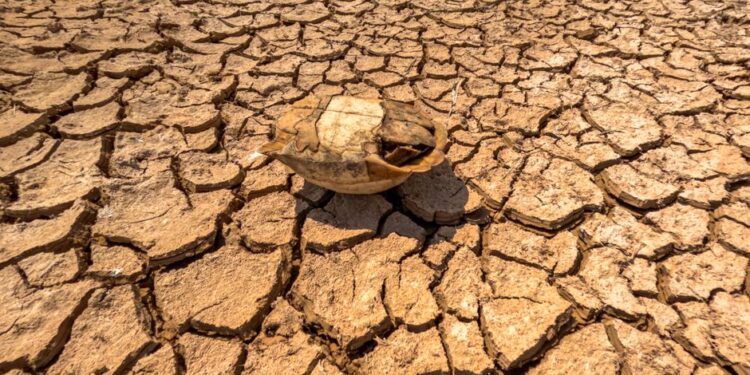
Agriculture is also facing significant challenges due to the ongoing heatwaves. Extreme weather has adversely affected crop yields, particularly in Italy and Spain, where agriculture plays a vital role in the economy.
Research from the European Stability Mechanism reveals that climate impacts have cost agricultural producers billions in recent years, with some estimates suggesting a loss of up to 12.5% of output. The combination of heatwaves and drought is making it increasingly difficult for farmers to maintain productivity.
Career Ahead analysis indicates that agricultural economists need to evaluate these long-term impacts on crop yields and food security.
Career Ahead analysis indicates that agricultural economists need to evaluate these long-term impacts on crop yields and food security. As climate change continues to alter weather patterns, farmers may need to adopt new techniques and technologies, including drought-resistant crops and advanced irrigation systems capable of handling extreme heat.
Additionally, the agricultural sector must contend with rising costs associated with energy and water use. As energy prices climb, farmers will face higher operational costs, potentially straining their profitability.
In light of these challenges, the resilience of the agricultural sector will depend on its ability to innovate and adapt. Policymakers and industry leaders must collaborate to create a supportive environment that encourages sustainable practices and technological advancements.
Urgent Need for Adaptive Strategies
As Europe continues to grapple with the effects of climate change, industries must remain vigilant and proactive. The ongoing heatwaves underscore the urgent need for adaptive strategies to mitigate losses and ensure long-term sustainability.
In September, the economy added just 150,000 jobs, a stark contrast to the 200,000 jobs analysts had predicted. This slowdown comes amid ongoing inflationary pressures,…
Urgent Need for Adaptive Strategies
As Europe continues to grapple with the effects of climate change, industries must remain vigilant and proactive.
Tourism professionals can prepare for economic downturns caused by climate change by diversifying their offerings and focusing on sustainable practices. Energy managers should invest in alternative energy sources and improve energy efficiency to cope with increased demand during heatwaves. Agricultural economists can assess long-term impacts by analyzing historical data and developing adaptive strategies.
In conclusion, the economic costs of heatwaves in Europe are profound, affecting tourism, energy, and agriculture. As the continent faces these challenges, the need for innovative solutions and collaborative efforts has never been more critical.



 News
News
News