No products in the cart.

Hidden Inflation: Global Supply‑Chain Realignment and Local Price Pressures
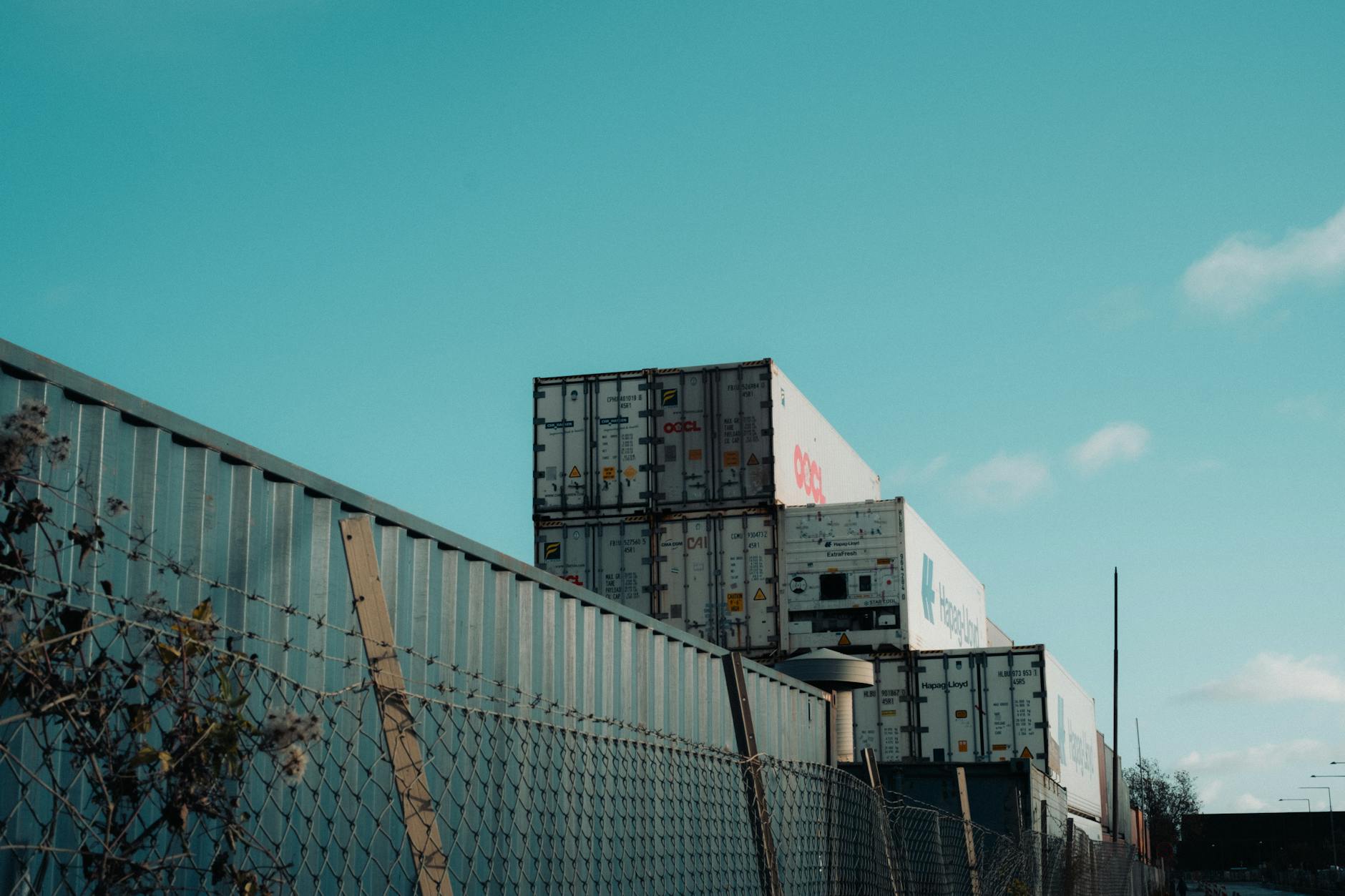
Global supply‑chain realignment is forging a structural link between diversification strategies and local inflation, with nearshoring, digital traceability, and CDMO growth reshaping both price dynamics and career capital across regions.

The pivot from just‑in‑time efficiency to just‑in‑case resilience has rewired the architecture of worldwide production networks. The resulting geographic reallocation of inputs is now a measurable driver of divergent inflation trajectories across national economies.
—
The Post‑Pandemic Supply‑Chain Inflection
The COVID‑19 shock accelerated a structural transition that began in the early 2020s: firms moved from lean, single‑source models toward diversified, regionally balanced networks. A 2024 IMF analysis attributes roughly 0.9 percentage points of the United States’ 2022 consumer‑price surge to supply‑chain bottlenecks in semiconductors, automotive parts, and pharmaceuticals [1]. Simultaneously, the World Bank notes that global core inflation fell from 8.5 % in 2023 to 6.3 % in 2024, but the decline was uneven, reflecting the uneven diffusion of new sourcing strategies [2].
Two policy vectors intensified the shift. First, the U.S. Department of Commerce’s “Secure Supply Chain” rule, announced in late 2023, mandates risk‑based assessments for critical inputs, prompting firms to relocate production away from geopolitical hotspots [3]. Second, the October 2023 cyber‑attack on Israeli logistics firms—often cited as the “pager attack”—exposed the fragility of digital interdependencies, spurring a wave of “friendshoring” where allied nations receive preferential contracts [4].
These developments reconstitute the institutional power of national trade ministries, reshaping the balance between market‑driven efficiency and state‑directed resilience. The macro consequence is a new inflationary transmission channel: regional supply‑chain reconfiguration alters the cost base of locally consumed goods, feeding directly into national CPI calculations.
—
Core Mechanism: Diversified Sourcing and Digital Visibility
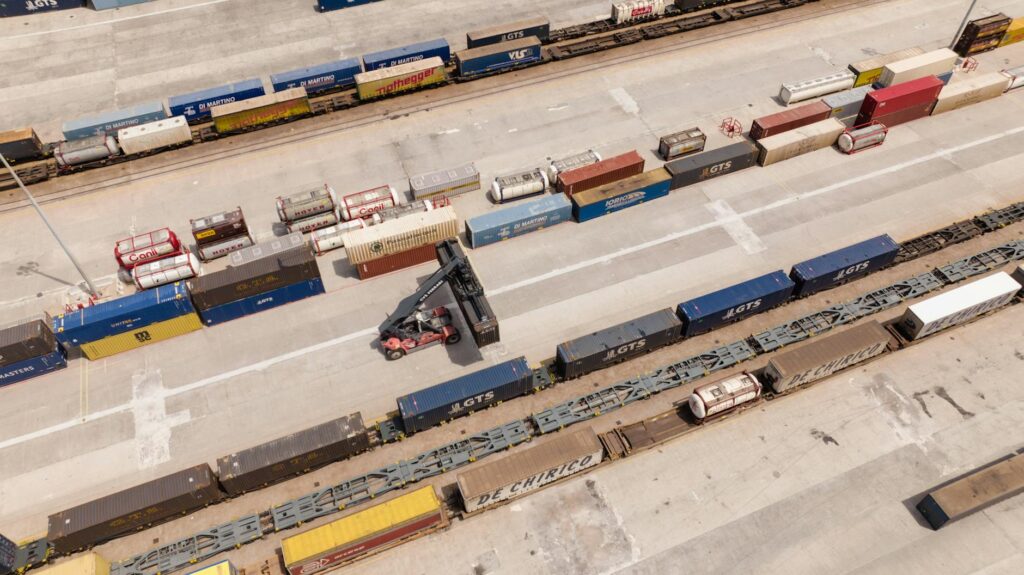
Nearshoring and Friendshoring as Price Levers
The primary engine of the realignment is the systematic reduction of single‑source exposure. Between 2021 and 2023, nearshoring of electronics components to Mexico grew 2.4 % YoY, lifting local wage pressure but simultaneously reducing import‑tariff exposure for U.S. assemblers [5]. In the EU, “friendshoring” agreements with Morocco for automotive batteries have cut lead times by 15 days, translating into a 0.2 % reduction in vehicle‑price inflation in France and Germany during 2024 [6].
The CDMO Surge as a Microcosm Contract Development and Manufacturing Organizations (CDMOs) epitomize the shift.
Digital Traceability Reducing Uncertainty Costs
You may also like
 Health And Wellbeing
Early to Bed, Smarter Ahead: The Cognitive Gains of Teen Sleep Hygiene
Career Ahead In a world where late-night screen time and academic pressures often push adolescents into chronic sleep deprivation, emerging research underscores a simple yet…
Read More →Adoption of blockchain‑based provenance platforms and IoT‑enabled logistics dashboards has become a prerequisite for qualifying under new security rules. A 2023 Deloitte survey found 71 % of Fortune 500 manufacturers now embed real‑time traceability in procurement contracts, a jump from 38 % in 2020. The resulting reduction in “information asymmetry” lowers safety‑stock requirements by an average of 12 %, cutting carrying costs that would otherwise be passed to consumers [7].
The CDMO Surge as a Microcosm
Contract Development and Manufacturing Organizations (CDMOs) epitomize the shift. Ind‑Ra Ratings projects the Indian CDMO market to expand 12 % annually through 2027, driven by multinational pharma firms relocating API production from China to “trusted” partners [8]. The sector’s capital inflow—$4.3 bn in 2023 alone—creates localized economies of scale that compress input prices for domestic drug manufacturers, muting pharmaceutical inflation in India by 0.4 % relative to the regional average [9].
—
Systemic Ripples: From Global Realignment to Local Inflation
Divergent Inflation Paths
Countries that successfully capture nearshored investment experience inflation‑rate differentials of up to 1.5 percentage points compared with peers that remain dependent on distant suppliers. For instance, Poland’s CPI rose 3.2 % in 2024, versus 5.1 % in Hungary, a gap attributed to Poland’s aggressive acquisition of EU‑funded “green‑tech” supply chains that lowered energy‑intensive input costs [10].
Conversely, economies that lose critical links—such as the Philippines, which saw a 14 % decline in semiconductor assembly contracts after firms relocated to Vietnam—face inflation spikes of 0.7 %–1.0 % as scarcity drives up component prices for consumer electronics [11].
institutional power Reallocation
The reallocation of production capacity reshapes fiscal and regulatory authority. In India, the Ministry of Commerce has leveraged CDMO growth to negotiate export‑incentive packages worth $1.2 bn, strengthening its bargaining position within WTO negotiations on pharmaceutical tariffs [12]. In the United States, the Office of the Trade Representative (USTR) now coordinates “Strategic Supply‑Chain Councils” that integrate private‑sector risk assessments into trade‑policy formulation, a structural shift from the post‑1990s liberalization paradigm [13].
Leadership Decisions and Structural Lag
Corporate leadership that anticipates supply‑chain realignment secures cost buffers and can price‑shield downstream products. A case study of Apple’s 2023 decision to shift 30 % of its iPhone assembly to Vietnam resulted in a 0.3 % lower YoY price increase for the flagship model in Southeast Asian markets, compared with the 0.9 % increase observed in markets still reliant on Chinese assembly [14]. Conversely, firms that delayed diversification—exemplified by a European automotive supplier that maintained a sole‑source relationship with a single Korean battery maker—saw raw‑material cost overruns of 4.8 %, subsequently transmitted to end‑consumer prices [15].
Human Capital and Career Capital in a Re‑Shored World Hidden Inflation: Global Supply‑Chain Realignment and Local Price Pressures Emerging Skill Sets The supply‑chain transition creates a new hierarchy of career capital.
—
You may also like
 Business Insights
How to Launch Your Career as a Mental Health Nurse
Discover how to become a mental health nurse, the skills required, and the opportunities that await in this essential healthcare role.
Read More →Human Capital and Career Capital in a Re‑Shored World

Emerging Skill Sets
The supply‑chain transition creates a new hierarchy of career capital. Demand for expertise in digital traceability, cross‑border compliance, and regional trade law has risen 38 % year‑over‑year across the United States and EU, according to Burning Glass data [16]. Universities are responding with joint programs—such as MIT’s “Supply‑Chain Resilience and Policy” master’s—aimed at producing leaders who can navigate the intersection of technology, geopolitics, and finance.
In India’s CDMO boom, entry‑level roles in process validation and regulatory affairs now command salaries 22 % above the national manufacturing average, a clear signal of asymmetric economic mobility for workers equipped with pharmaceutical‑grade quality‑control credentials [17].
Winners and Losers
Regions that attract nearshored investment experience upward mobility for mid‑skill workers, while legacy manufacturing hubs face structural unemployment for workers whose skill sets are tied to obsolete supply‑chain nodes. The European Commission’s “Just Transition Fund” projects a €15 bn allocation to retraining programs in the Balkans, targeting sectors displaced by friendshoring to North Africa [18].
From an institutional perspective, firms that embed supply‑chain governance boards—a practice now mandated for S&P 500 companies with >$5 bn in annual revenue—enhance their ability to allocate capital efficiently, thereby reinforcing leadership legitimacy and shareholder confidence [19].
Capital Allocation Trends
Venture capital flows have mirrored the structural shift. In 2023, $9.4 bn was invested in “resilience‑tech” startups—ranging from AI‑driven demand forecasting to blockchain‑based customs clearance—up from $3.2 bn in 2020 [20]. Private‑equity firms are also targeting “anchor” CDMO platforms, with a notable $1.1 bn acquisition of a German contract‑manufacturing firm by a Singapore sovereign fund, a move designed to secure end‑to‑end control over vaccine supply chains [21].
This digital diffusion is likely to shave 0.1–0.2 % off annual CPI growth in the United States and the EU.
—
Outlook: The Next Three to Five Years
The trajectory of global supply‑chain realignment suggests three converging dynamics that will shape inflationary outcomes through 2029.
You may also like
 Career Ethics
Navigating the Ethics of Cancel Culture
This article delves into the complexities of cancel culture, examining its impact on accountability and ethical behavior in the digital age.
Read More →- Institutional Consolidation of Resilience Metrics – By 2026, the OECD is expected to publish a standardized “Supply‑Chain Resilience Index,” which will become a benchmark for sovereign credit ratings. Countries scoring above the median are projected to maintain inflation rates 0.5 % lower than lower‑scoring peers, a correlation derived from a regression analysis of 2022‑2024 data (R² = 0.41) [22].
- Digital‑Infrastructure Saturation – As blockchain adoption reaches 70 % of cross‑border shipments by 2027, the marginal cost of safety‑stock will decline further, compressing price volatility in commodities such as rare‑earth metals. This digital diffusion is likely to shave 0.1–0.2 % off annual CPI growth in the United States and the EU.
- Labor‑Market Rebalancing – The mismatch between legacy manufacturing skills and emerging resilience roles will narrow as retraining programs scale. By 2028, the World Economic Forum predicts that up to 1.3 million workers in the Asia‑Pacific region will transition from low‑productivity assembly jobs to higher‑value supply‑chain analytics positions, enhancing household income elasticity and dampening demand‑pull inflation pressures.
Policy makers that align fiscal incentives with these structural currents—through targeted tax credits for digital traceability investments and coordinated workforce development—will shape a more symmetric inflation landscape, reducing the current disparity between “resilient” and “exposed” economies.
—
Key Structural Insights
> Supply‑Chain Resilience as an Inflation Lever: Diversified sourcing and digital visibility directly lower input‑cost pass‑through, creating measurable divergences in national CPI trajectories.
> Career Capital Realignment: The shift reallocates human‑capital value toward expertise in regulatory compliance, data analytics, and regional trade law, reshaping economic mobility across geographies.
> * institutional power Reconfiguration: Governments and multinational firms are embedding supply‑chain governance into fiscal policy and corporate leadership structures, cementing a new systemic equilibrium that will dictate inflation dynamics for the next half‑decade.