
India has announced that its National Eligibility cum Entrance Test (NEET) and Graduate Aptitude Test in Engineering (GATE) will now allow candidates of any age. This significant policy change, effective immediately, opens doors for older individuals seeking to enter medical and engineering fields. The move reflects a growing recognition of the importance of lifelong learning and the need for educational systems to adapt to the realities of modern career paths.
As the landscape of higher education evolves, this initiative highlights the shift towards inclusive educational practices. The University of Delhi’s recent announcement of its “Any Course, Any Age” model exemplifies this trend. By allowing older candidates to enroll in courses, the university is responding to the changing needs of learners who may wish to enhance their skills or pivot to new careers later in life. This model not only encourages diversity but also promotes an environment where students can learn from each other’s varied experiences.
Impact on Older Candidates in NEET and GATE
The removal of age restrictions in NEET and GATE is particularly significant for older candidates who may have previously felt excluded from pursuing higher education. Many individuals have life experiences and skills that can enrich the learning environment, especially in fields like medicine and engineering. Older candidates often bring diverse perspectives that can enhance classroom discussions and collaborative projects. For instance, their real-world experiences can provide practical insights into theoretical concepts, making learning more relatable and applicable.
Career Ahead’s analysis finds that with the introduction of these flexible age policies, older candidates can now leverage their life experiences to excel in competitive exams. This shift not only benefits the candidates themselves but also enriches the educational landscape by fostering a more diverse student body. Moreover, this change aligns with the National Education Policy (NEP) 2020, which emphasizes the importance of lifelong learning and flexible educational pathways. The NEP advocates for a system that is not only inclusive but also responsive to the needs of a dynamic workforce.
In practical terms, older candidates preparing for NEET or GATE can focus on strategies that utilize their unique backgrounds. For example, those with prior work experience can relate theoretical knowledge to real-world applications, enhancing their understanding of complex subjects. Additionally, the emphasis on continuous education allows them to stay updated with the latest advancements in their respective fields. However, the increased competition from a wider age range of candidates may also present challenges. Older candidates will need to stay motivated and adapt to the fast-paced nature of exam preparation, which can be daunting. Nonetheless, the potential for collaboration and networking with younger peers can provide valuable support and encouragement. According to a report by Edexlive, older candidates who engage in peer study groups often find that their insights and experiences contribute significantly to group learning dynamics, thus benefiting all members involved.
This shift not only benefits the candidates themselves but also enriches the educational landscape by fostering a more diverse student body.
Wider Implications for Higher Education
The decision to allow candidates of any age to take NEET and GATE reflects a broader transformation in higher education in India. This move signifies a shift away from traditional educational models that often prioritize younger students. Instead, institutions are beginning to recognize the value of a diverse student population that includes individuals at various stages of their careers. This is particularly relevant in a country like India, where the demographic profile is rapidly changing, and the workforce is becoming increasingly diverse.
According to the National Education Policy 2020, higher education should provide lifelong learning opportunities. This policy change aligns with that vision, as it encourages institutions to create flexible learning environments that cater to the needs of all learners. As more universities adopt similar policies, we may see a significant shift in how educational programs are designed and delivered. The implications of this shift extend beyond just NEET and GATE; it may influence other areas of higher education, such as postgraduate programs and professional courses. For instance, many MBA programs and vocational training courses have already begun to embrace flexible admission criteria. This could lead to a more inclusive approach to education, where individuals can pursue their academic and career goals without the constraints of age.
In light of these developments, educational institutions must also enhance their support systems for older candidates. This may include tailored preparation resources, mentorship programs, and flexible scheduling options to accommodate the diverse needs of learners. By fostering an environment that encourages lifelong learning, institutions can better prepare their students for the challenges of a rapidly changing job market. As noted in a recent article from News18, the shift towards age-neutral education is not just about access; it’s about creating an ecosystem where all learners can thrive, regardless of their age.
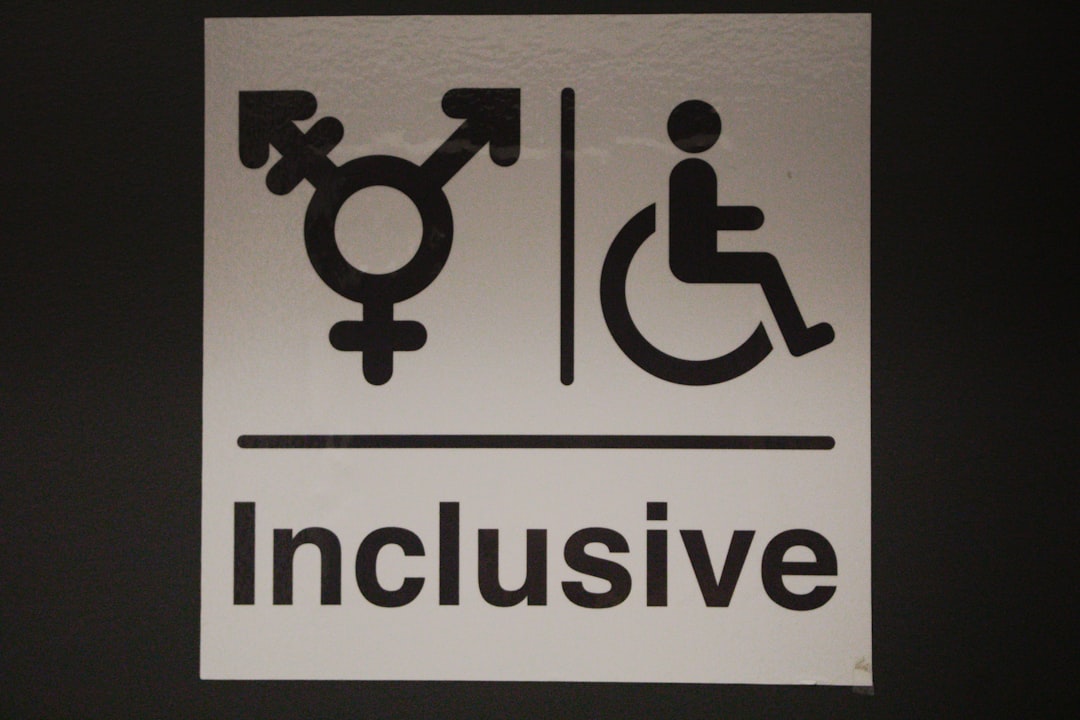
The implications of these changes extend beyond individual candidates. A more inclusive higher education system can contribute to a more skilled workforce, ultimately benefiting the economy as a whole. As older individuals re-enter the educational system, they bring with them a wealth of experience and knowledge that can drive innovation and growth in various sectors. This is particularly crucial in fields like healthcare and engineering, where practical experience is invaluable.
As the landscape of education continues to evolve, the implications of allowing older candidates to participate in NEET and GATE are profound. This policy change could set a precedent for other competitive exams and educational programs in India. The shift towards age-neutral education may encourage more individuals to pursue their academic and professional aspirations, regardless of their age. Moreover, as technological advancements reshape industries, the necessity for continuous education becomes increasingly apparent. Older candidates who return to education can acquire new skills that align with current market demands, thus enhancing their employability. This adaptability will be crucial as industries continue to evolve in response to technological innovations.
A more inclusive higher education system can contribute to a more skilled workforce, ultimately benefiting the economy as a whole.
Looking forward, it will be interesting to see how educational institutions and policymakers respond to these changes. Will they continue to embrace age inclusivity, or will there be pushback against this trend? The answers to these questions will shape the future of higher education in India and influence how society views lifelong learning. In this context, the ongoing dialogue about age and education will likely intensify. The success of older candidates in NEET and GATE may inspire further reforms in educational policies, ultimately fostering a more inclusive and dynamic learning environment for all.
Frequently Asked Questions
What are the benefits for older candidates taking NEET?
Older candidates can leverage their life experiences and skills in competitive exams like NEET. This age inclusivity allows them to enhance their knowledge and pursue careers in medicine, enriching the educational environment.
How can older candidates prepare for GATE effectively?
Older candidates can prepare for GATE by focusing on their unique backgrounds and relating theoretical knowledge to real-world applications. They should also utilize available resources and seek support from peers to stay motivated.

What should older candidates consider when applying for higher education?
Older candidates should consider the flexibility of programs, available support systems, and how their experiences can enhance their learning. Understanding the evolving educational landscape will help them navigate their academic journey.
Written by Career Ahead AI. AI can make mistakes, so verify key facts. Report errors to support@careeraheadonline.com.