No products in the cart.

Houthi attacks on shipping in the Red Sea
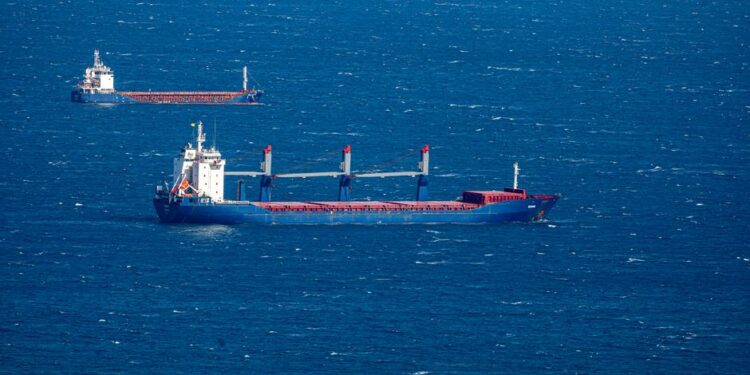
The Houthis have escalated their attacks on shipping in the Red Sea, targeting two oil tankers on July 23, 2026, raising significant security concerns for maritime trade.

The Houthis have increased their attacks on shipping in the Red Sea. On July 23, 2026, they targeted two oil tankers. This poses a serious threat to maritime trade and raises safety concerns for shipping routes.
The attacks happened southwest of Al Shuqaiq on the western Saudi coast. The UK Maritime Trade Operations Center reported this increase in hostilities. The Houthis are asserting their influence in the ongoing conflict in Yemen. These attacks threaten vital shipping lanes that are crucial for global trade.
Rising Security Concerns for Shipping Executives
The recent Houthi attacks have raised security concerns among shipping executives and maritime security experts. With the threat of more attacks, shipping companies face increased operational risks. Career Ahead’s analysis shows that insurance costs for shipping in the region are likely to rise as underwriters reassess risks. According to BBC News, the Houthis have claimed responsibility for multiple incidents targeting commercial vessels, indicating a sustained threat level.
As a result, maritime security protocols will likely see significant enhancements. Shipping executives will need to invest in advanced security measures, including real-time monitoring and increased naval presence in high-risk areas. The implications for shipping routes are profound, as companies may need to consider alternative paths to avoid conflict zones. Some shipping lines have already rerouted their vessels, leading to longer transit times and higher operational costs.
Moreover, the impact on global supply chains cannot be ignored. Delays in shipping due to heightened security can increase costs and disrupt businesses that rely on timely deliveries. The ripple effects of these attacks extend beyond the region, affecting global markets and trade networks. As noted by Defcon Level, the frequency of attacks in the Red Sea is rising. Shipping companies must now prioritize risk assessment and develop contingency plans to mitigate disruptions.
Delays in shipping due to heightened security can increase costs and disrupt businesses that rely on timely deliveries.
This shift will require a reevaluation of existing strategies and an understanding of the evolving geopolitical landscape. The Houthis’ actions challenge maritime security and highlight vulnerabilities in global trade. Companies must remain vigilant and adaptable as geopolitical tensions evolve, impacting their operations and strategic planning.
Implications for Global Supply Chains
The escalation of Houthi attacks is likely to disrupt global supply chains significantly. As shipping routes in the Red Sea become more dangerous, companies may need to adjust their logistics strategies. Career Ahead research indicates that businesses relying on these routes should prepare for potential delays and increased shipping costs. The Red Sea is vital for oil and goods, with a large percentage of global trade passing through this area. The ongoing conflict in Yemen and the heightened risk of attacks may shift shipping patterns, forcing companies to seek longer and more costly routes.
Additionally, rising insurance premiums for shipments through the Red Sea could strain logistics budgets. Companies need to factor in these costs when planning their supply chains, which may lead to higher prices for consumers. The uncertainty around shipping routes may also prompt a reevaluation of supplier relationships. Businesses might need to diversify their sourcing strategies to reduce risks from relying on a single route or supplier. This could enhance resilience in supply chains but complicate logistics and inventory management.
Beyond financial implications, the potential for increased shipping costs and disruptions highlights the need for companies to stay agile. The Houthi attacks remind us of the vulnerabilities in global trade. Shipping executives must remain vigilant and adaptable as geopolitical tensions evolve, affecting their operations and strategic planning. As highlighted by the BBC, the Houthis’ actions have opened another front in the ongoing conflict, posing significant risks to maritime trade.
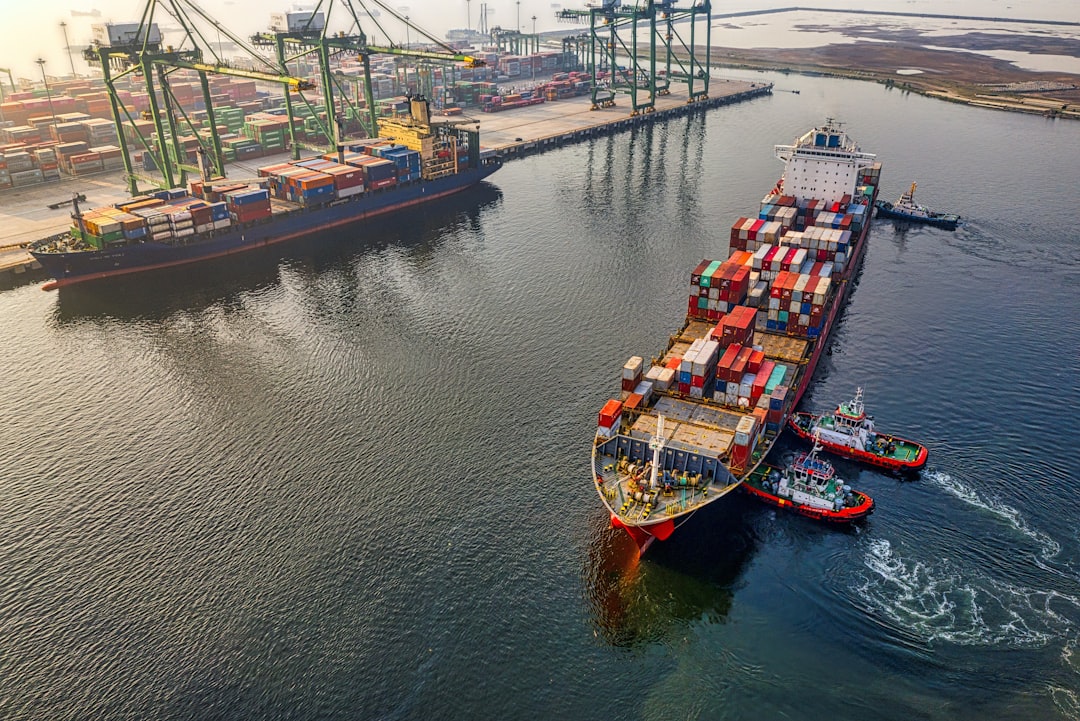
Ultimately, the changing landscape of maritime operations in the Red Sea requires ongoing vigilance and adaptation. The implications of Houthi attacks extend beyond immediate security concerns, affecting global trade dynamics and operational strategies for shipping companies. As the situation develops, shipping executives must monitor these changes closely and be ready to adapt, ensuring their operations can withstand the pressures of a volatile geopolitical environment.
Businesses might need to diversify their sourcing strategies to reduce risks from relying on a single route or supplier.
Frequently Asked Questions
What are the implications of Houthi attacks for shipping executives?
Career Ahead’s analysis shows that shipping executives face increased operational risks and rising insurance costs due to Houthi attacks. Companies must enhance security protocols and consider alternative shipping routes to mitigate these risks.
How can maritime security specialists mitigate risks from regional conflicts?
Maritime security specialists can mitigate risks by implementing advanced monitoring systems, collaborating with naval forces, and conducting regular risk assessments. Staying informed about geopolitical developments is crucial for effective risk management.

What should shipping companies do about increased threats in the Red Sea?
Shipping companies should reassess their logistics strategies in light of increased threats in the Red Sea. This includes evaluating insurance coverage, enhancing security measures, and exploring alternative shipping routes to ensure operational continuity.