No products in the cart.

How AI is Transforming the Labor Market in Music Production
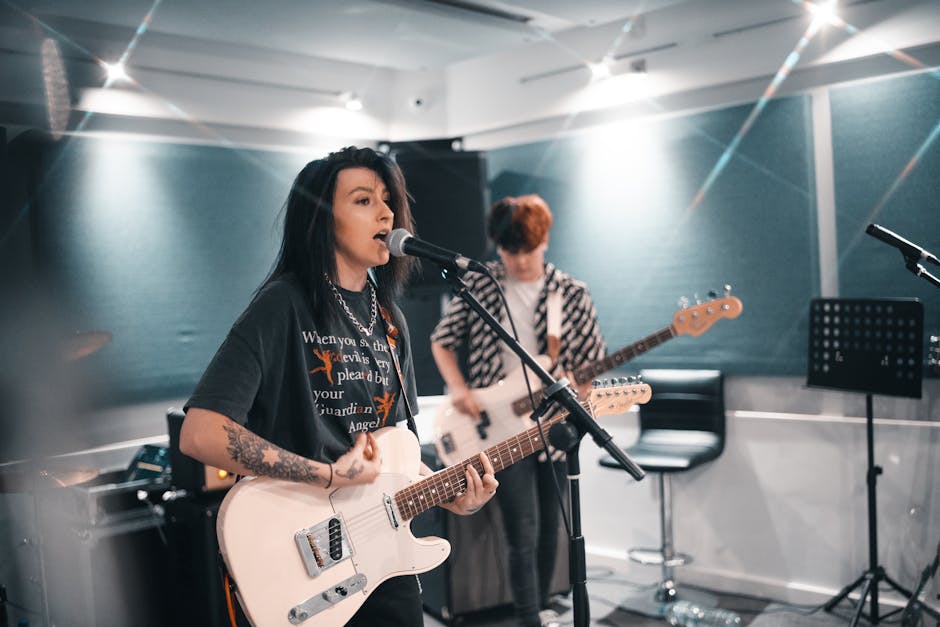
Explore how AI is reshaping the music industry, creating new jobs, and redefining skills needed for the future.


“`html
The Rise of AI in Music Production
AI is transforming music production. Generative models can create chord progressions in milliseconds, changing how studios operate. In the past year, AI platforms have evolved from experiments to essential tools for professionals. Algorithms trained on millions of tracks now suggest melodies, harmonize vocals, and master mixes with quality comparable to experienced engineers. This change is not just superficial; it alters the economics of music creation.
Data is at the core of this shift. Large collections of audio, metadata, and listener behavior train tools like Amper, Soundraw, and the open-source MusicLM. By analyzing patterns across genres and cultures, these systems can generate new ideas that would take human composers weeks to create. This speeds up the creative process: a song that once took days to arrange can now be prototyped in hours, allowing artists to experiment more freely.
Infrastructure supports this rapid change. Recently, the CEO of a major Indian IT firm announced plans to build new AI-focused data centers. While aimed at enterprise needs, this will impact the entire creative economy, including music. Local data centers reduce latency for real-time generation and lower costs for independent creators, enabling them to access high-performance models without relying on distant cloud services.
AI is also creating new business models. Subscription-based “AI-as-a-song” services let brands generate custom jingles on demand. Royalty-free libraries powered by generative engines are expanding rapidly. Record labels are testing AI-curated playlists that combine human and algorithmic curation, blurring the lines between art and distribution. While technology increases scale, it also raises questions about ownership, attribution, and the economics of songs that may involve neural networks.
Job Displacement vs. Job Creation: A Dual Narrative
The labor market’s response to AI reflects two trends. On one hand, routine tasks are being automated. Music transcription software can now convert live performances into sheet music with high accuracy. Similarly, algorithmic composition tools create background scores for video games and ads at a fraction of the cost of hiring a composer.
AI is also creating new business models.
You may also like
 Policy
U.S. Lags Behind Global Competitors in High-Skill Immigration, Threatening Tech Leadership
The U.S. is falling behind Canada, Australia, and Singapore in high-skill immigration, risking its innovation edge. New visa policies and global competition are reshaping talent…
Read More →However, this same research shows the rise of new roles. AI music platforms have increased demand for “prompt engineers” who translate artistic ideas into model inputs, and for data curators who organize audio datasets. Companies building data centers are hiring specialists in AI infrastructure, security, and edge computing—jobs that are now crucial for providing low-latency services to musicians worldwide.
These changes are reshaping hiring practices. Job listings that once focused on software like Pro Tools now often seek knowledge of Python, TensorFlow, or APIs for generative models. Today’s music producers need a mix of creative and technical skills.

Education must adapt as well. Music programs are adding courses on machine learning, data ethics, and digital rights management. The aim is to enhance musicians’ intuition, equipping them to collaborate effectively with machines. Upskilling initiatives, often supported by tech companies, offer short courses on AI-assisted composition, helping professionals transition into new roles.
Skills for the Future: Navigating the AI-Enhanced Landscape
Success in an AI-driven market depends on three key skills: analytical literacy, collaborative creativity, and strategic adaptability.
Skills for the Future: Navigating the AI-Enhanced Landscape Success in an AI-driven market depends on three key skills: analytical literacy, collaborative creativity, and strategic adaptability.
Analytical Literacy
Understanding how models process inputs is essential. Musicians who can analyze a model’s output—detecting bias, assessing tonal coherence, and adjusting parameters—gain a competitive advantage. This requires basic data analysis skills and familiarity with scripting languages for automating music generation.
Collaborative Creativity
AI should be seen as a co-author, not just a tool. The best works emerge when humans provide a narrative and algorithms offer creative variations. Platforms that enable real-time collaboration allow artists to guide generative processes, maintaining the emotional depth that only human experience can provide.
You may also like
 Social Media
The Evolution of Human Connection: Understanding Trust and Empathy
Delve into the neuroscience of trust and empathy, revealing how our biological makeup shapes human connections in the modern world.
Read More →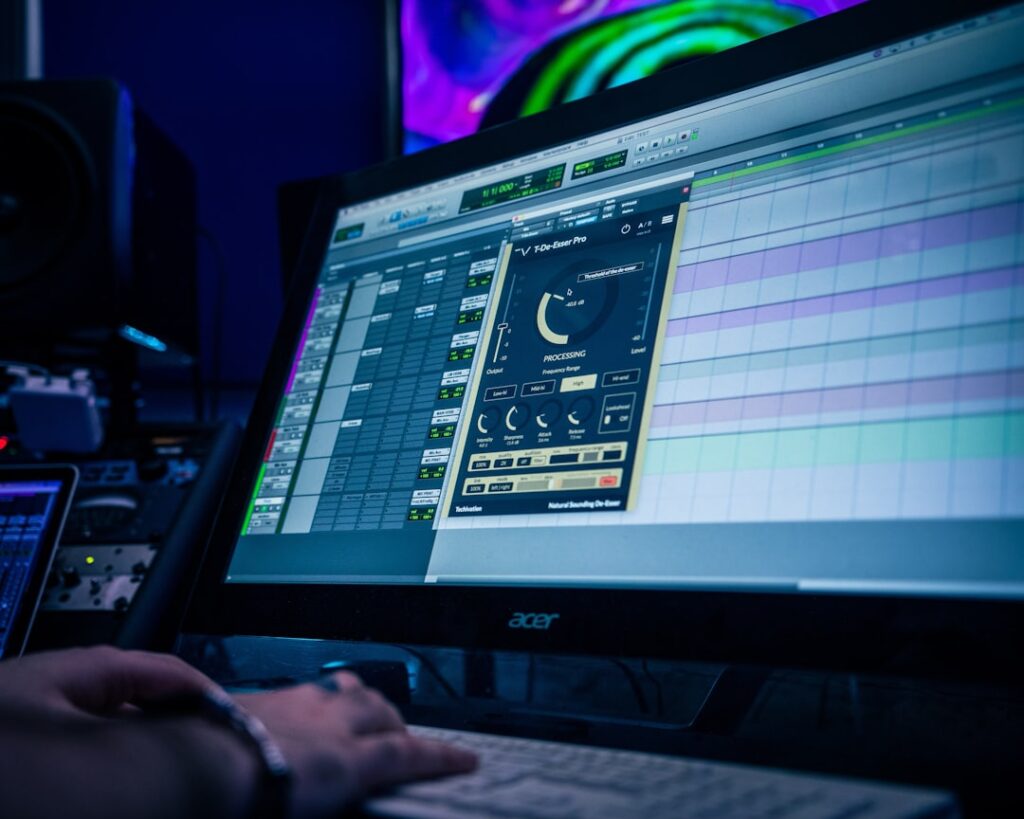
Strategic Adaptability
Professionals must be ready for change. The rapid development of AI data centers, like those in India, shows how infrastructure can shift creative production. Musicians who utilize local models—benefiting from lower latency and costs—will better serve both local and global markets.

This means taking specific actions. A songwriter might spend a week mastering prompt design, then use the saved time for live performances or brand partnerships. A studio engineer could collaborate with a data scientist to create a custom mastering model that reflects a label’s sound, turning a static service into a unique offering. Even concert promoters can adapt, using AI-generated setlists tailored to audience sentiment captured through real-time analytics.
As the labor market evolves, artists who combine technical skills with their creative voice will shape the future of music.
AI will not eliminate the human touch; it will enhance it. The most valuable contribution will be the ability to infuse music with cultural context, emotional depth, and storytelling—qualities that algorithms cannot replicate. As the labor market evolves, artists who combine technical skills with their creative voice will shape the future of music.
Looking ahead, the growth of AI infrastructure and advanced generative models promises a new era of music that is both accessible and personalized. Musicians who view machines as partners, rather than threats, will not only adapt to change—they will create the soundtrack of an AI-enhanced future.
You may also like
 Education
Rising Malaysia emerges as top study destination for Japanese
Malaysia is rapidly emerging as a top study destination for Japanese students, driven by its affordable, high-quality education and diverse career opportunities.
Read More →“`