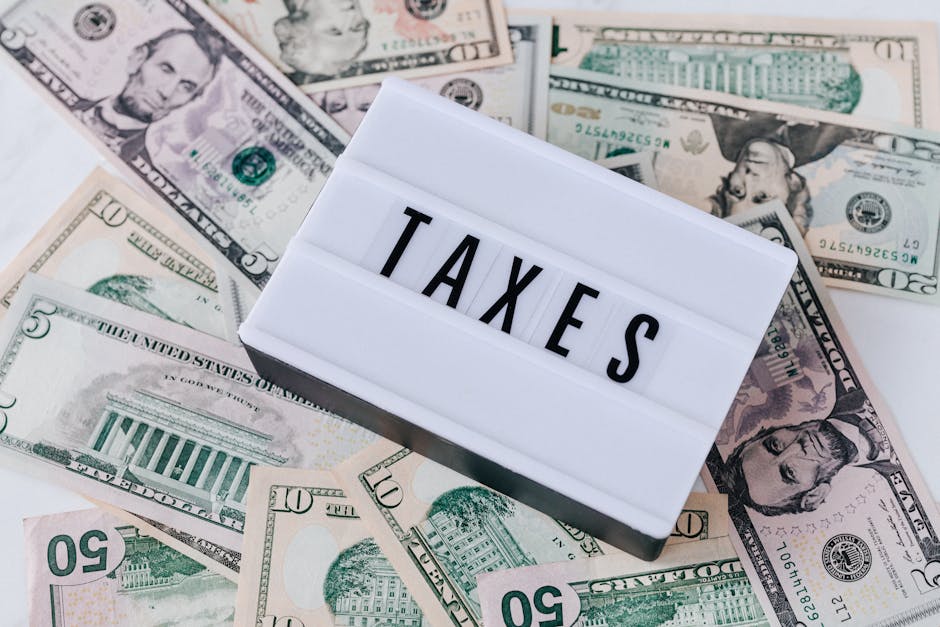
Washington, US — Billionaire fortunes in the United States have surged to unprecedented levels, igniting a significant movement advocating for a wealth tax. This trend has intensified under the Trump administration, where tax policies have favored the wealthy, prompting discussions about taxation as public discontent over wealth inequality grows.
Staggering Growth of Billionaire Wealth
Recent data indicates that billionaire fortunes grew at a rate three times faster than the average annual rate in the five years preceding 2025, as reported by Oxfam. This disparity has fueled a demand for tax reforms aimed at addressing the widening wealth gap. Activists and politicians are rallying support for various tax proposals at both state and federal levels. Oxfam’s report highlights that the wealth of the world’s billionaires increased by $3.9 trillion during the COVID-19 pandemic alone, underscoring the stark contrast between the ultra-wealthy and the average American.
In California, a proposed one-time 5% wealth tax on the state’s billionaires aims to fund essential services such as healthcare and education. This initiative is part of a broader trend where at least ten states are exploring similar measures to tax wealth, reflecting a shift in public sentiment towards taxing the ultra-rich.
Political Landscape Shifting Towards Taxation
The movement to tax billionaires has gained traction across the political spectrum. A recent survey by Data for Progress found that around 70% of Americans believe the economic system is rigged in favor of corporations and the wealthy. This sentiment is echoed by political leaders, including Senator Bernie Sanders and Representative Ro Khanna, who have introduced legislation aimed at imposing a wealth tax on billionaires.
In California, a proposed one-time 5% wealth tax on the state’s billionaires aims to fund essential services such as healthcare and education.
Senator Sanders’ “Make Billionaires Pay Their Fair Share Act” proposes an annual 5% wealth tax on billionaires, aiming to redistribute wealth and address the pressing needs of the American public. Advocates argue that such measures are necessary to ensure the wealthy contribute their fair share to society. The recent election of progressive leaders, such as New York City Mayor Zohran Mamdani, further indicates a growing acceptance of wealth taxation as a viable policy.
Social Implications of Wealth Accumulation
 Entrepreneurship & Business
IIT Mandi Survey Finds 22% of Indian Students Have Started Businesses
The survey also found that 43% of students wanted to become entrepreneurs, while 35.5% of student businesses generated regular sales.
Read More →The implications of this movement extend beyond taxation alone. As billionaires continue to accumulate wealth, the gap between the rich and the poor widens, leading to increased social unrest. The Occupy Wall Street movement, which highlighted the divide between the 1% and the 99%, laid the groundwork for current discussions around wealth inequality. This ongoing dialogue suggests that economic policies may undergo significant changes in the near future.
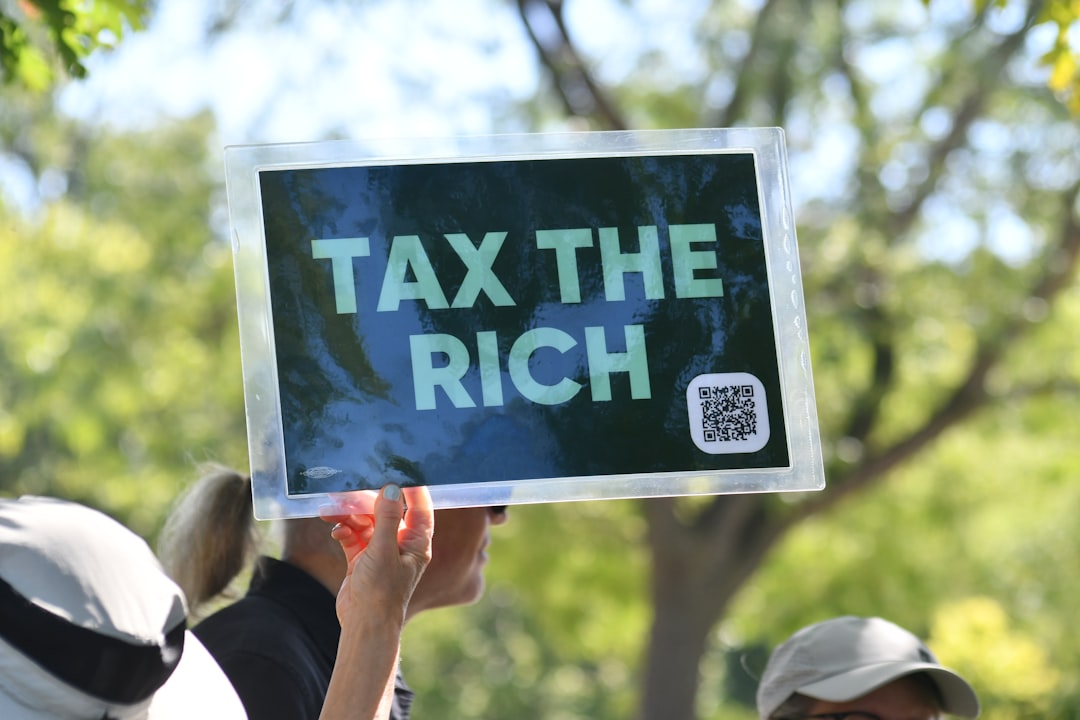
As states like Washington implement their first-ever income tax targeting wealthy households, the national conversation around taxation is shifting. The success of these initiatives could set a precedent for other states to follow suit, influencing federal policy as public sentiment continues to favor measures that address income inequality.
Challenges and Criticisms of the Wealth Tax Movement
Critics of the billionaire tax movement argue that such measures could drive wealthy individuals out of states that impose higher taxes. However, proponents counter that the benefits of funding public services outweigh potential drawbacks. They argue that a more equitable tax system could lead to improved social outcomes, including better education and healthcare for all citizens.
The Occupy Wall Street movement, which highlighted the divide between the 1% and the 99%, laid the groundwork for current discussions around wealth inequality.
Ultimately, the movement to tax billionaires reflects a deepening frustration with the current economic landscape. As more Americans demand accountability from the wealthy, policymakers will need to consider how best to address these concerns while balancing economic growth and social equity.

Implications for Future Economic Policy
The call for taxing billionaires resonates with many young professionals and job seekers who feel the pressure of rising costs and stagnant wages. As wealth inequality continues to grow, the push for a fairer economic system becomes increasingly relevant. The outcome of these tax initiatives could reshape the landscape of economic policy in the United States. With public sentiment shifting towards supporting wealth taxes, significant changes in how the wealthy contribute to society may be on the horizon.
Written by Career Ahead AI. AI can make mistakes, so verify key facts. Report errors to support@careeraheadonline.com.