No products in the cart.

How AI Will Transform the Role of Doctors
AI is reshaping the landscape of healthcare, fundamentally altering how doctors interact with patients and approach diagnostics. This shift demands new skills and continuous education to adapt to evolving technologies.

AI is changing the healthcare sector. Recent advancements in artificial intelligence are reshaping the roles of medical professionals. This is especially true in diagnostics and patient care. As AI tools become more common in healthcare, doctors must adapt to keep effective patient interactions and improve outcomes.
Integrating AI into medical practice is not just a trend. It is a major shift that will redefine healthcare professionals’ responsibilities. This change is crucial as healthcare systems worldwide seek greater efficiency and accuracy in treatment.
Impact of AI on Diagnostic Accuracy
AI technologies are greatly improving diagnostic accuracy. Tools powered by machine learning can analyze large datasets quickly. They can identify patterns that human practitioners might miss. For example, AI algorithms can help interpret medical images. This leads to earlier and more accurate diagnoses of conditions like cancer.
Career Ahead’s analysis shows that AI-driven diagnostics can cut human error rates by up to 30%. This is a significant improvement for patient safety and treatment effectiveness. This shift benefits patients and allows doctors to focus more on care rather than paperwork.
Additionally, AI can process data from various sources, including electronic health records and genetic information. This enables a more personalized approach to medicine. Doctors can use these insights to create treatment plans that work better for individual patients.
As AI tools evolve, doctors will need to interpret AI-generated insights regularly. This change requires ongoing education and training. Medical professionals must learn to collaborate effectively with these technologies.
Incorporating AI into diagnostics also raises ethical issues. Doctors must manage patient data privacy and the implications of relying on machine-generated recommendations. This responsibility requires a solid understanding of both technology and ethics in medicine.
Medical professionals must learn to collaborate effectively with these technologies.
Changes in Patient-Doctor Interactions Due to AI Tools
AI is changing how doctors interact with patients. With AI handling routine tasks like scheduling and preliminary assessments, doctors can engage more meaningfully with patients. This change could lead to higher patient satisfaction and better outcomes.
AI chatbots and virtual assistants are now common in healthcare. They provide patients with quick answers to their questions and concerns. This technology makes the triage process more efficient, allowing doctors to focus on complex cases. Career Ahead research shows that practices using AI-driven patient engagement tools report a 20% increase in patient satisfaction.
However, this shift also brings challenges. Patients may worry about the accuracy of AI tools and their ability to replace human interaction. Doctors need to reassure patients that AI assists rather than replaces human judgment.
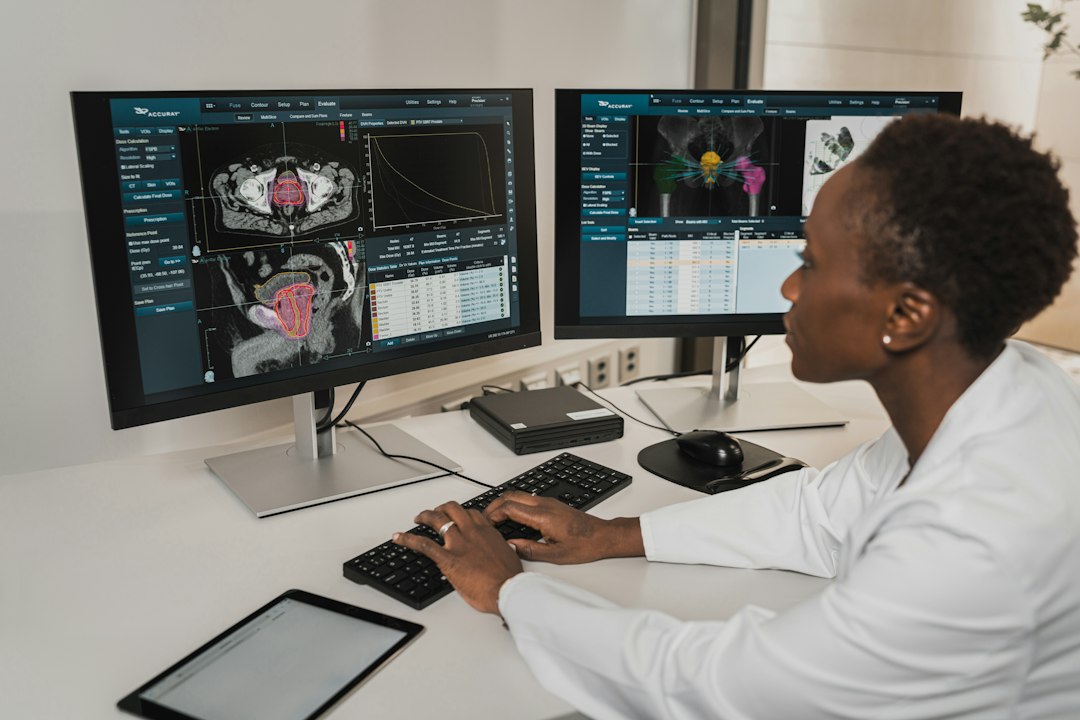
As AI systems analyze patient data to predict health outcomes, doctors must discuss these findings with patients. This transparency builds trust and ensures patients feel involved in their care decisions.
The Need for Continuous Education in AI Advancements As AI technologies advance rapidly, continuous education is vital for healthcare professionals.
As AI continues to develop, patient-doctor relationships will also change. Doctors will need new communication skills to explain AI insights effectively. This will foster a more collaborative approach to healthcare.
The Need for Continuous Education in AI Advancements
As AI technologies advance rapidly, continuous education is vital for healthcare professionals. Doctors must stay updated on the latest AI developments and their clinical applications. Ongoing learning is essential for effectively leveraging AI.
Career Ahead analysis shows that medical schools and training programs are starting to include AI-focused curricula. This integration aims to prepare future doctors to work alongside AI technologies. Institutions that adapt their programs will produce graduates ready for the changing healthcare landscape.
Established healthcare professionals must also seek training opportunities to stay competitive. Workshops, online courses, and partnerships with tech companies can provide valuable insights into implementing AI tools.
Healthcare organizations play a crucial role in facilitating this education. By investing in training programs for staff, hospitals and clinics can ensure their teams use AI technologies effectively.
In summary, the rise of AI in healthcare brings exciting opportunities and significant challenges. As the landscape evolves, doctors who embrace continuous learning will be best positioned to thrive in the future of medicine.
The ongoing integration of AI in healthcare will likely lead to more innovations and changes in the medical profession. As these technologies develop, the question remains: how will doctors’ roles evolve in this new landscape, and what will this mean for patient care?
Healthcare professionals can adapt by engaging in continuous education about AI technologies and their applications in medicine.
Frequently Asked Questions
What AI tools should medical doctors be familiar with?
Doctors should know AI tools that help with diagnostics, patient engagement, and data analysis. Technologies like machine learning algorithms for imaging and AI chatbots for patient communication are becoming essential in modern healthcare.
How can healthcare professionals adapt to AI in their practice?
Healthcare professionals can adapt by engaging in continuous education about AI technologies and their applications in medicine. Participating in workshops and training programs can help them integrate these tools into their practice.

What should medical doctors do about the rise of AI in diagnostics?
Medical doctors should embrace AI technologies to enhance their diagnostic capabilities. By learning to interpret AI-generated insights, they can improve patient outcomes and streamline their workflows.
Sources: Instagram.
Related Articles
- Air India Orders One-Off Drug Test for Its Over 5,000 Pilots
- Medicare Advantage Faces New Benefit Restrictions for
Written by Career Ahead AI. AI can make mistakes, so verify key facts. Report errors to support@careeraheadonline.com.