


India’s aviation industry is undergoing a significant transformation. Air India, owned by the Tata Group, is embedding advanced AI tools developed by Anthropic into its operations. This initiative comes at a time when the demand for efficiency and innovation in air travel is more critical than ever. The integration of AI technology promises to streamline operations, enhance customer experience, and position Air India as a leader in the competitive aviation market.
The partnership with Anthropic is particularly noteworthy. Anthropic is known for its focus on safety and responsible technology development. By embedding its Agentic AI tools into Air India’s systems, the airline aims to automate various tasks traditionally performed by software engineers, thus reducing costs and increasing efficiency. This move is pivotal for Air India as it seeks to modernize its operations and improve service delivery.
Dr. Satya Ramaswamy, Chief Technology Officer at Air India, emphasized the importance of this partnership, stating, “Our collaboration with Anthropic is crucial in our quest to become a leading Agentic AI airline.” This sentiment is echoed by Anthropic’s co-founder, Dario Amodei, who remarked on India’s unique position in the global AI landscape, highlighting the potential for experimentation with a vast user base.
Why AI Adoption is Crucial for Air India
The adoption of AI in Air India is not just a technological upgrade; it’s a strategic necessity. The airline industry is facing unprecedented challenges, including rising operational costs and increasing competition. By leveraging AI, Air India can optimize its operations, from flight scheduling to customer service.
According to recent reports, AI adoption in the aviation sector can lead to significant cost savings. For instance, automating routine tasks can reduce the need for extensive manpower, freeing up resources for more strategic initiatives. This shift can enhance operational efficiency and allow airlines to focus on improving passenger experience.
This capability is essential in a rapidly evolving market where agility and responsiveness to customer needs are paramount.
Moreover, the integration of AI tools like Anthropic’s Claude Code enables Air India to develop custom software solutions faster and more cost-effectively. This capability is essential in a rapidly evolving market where agility and responsiveness to customer needs are paramount.
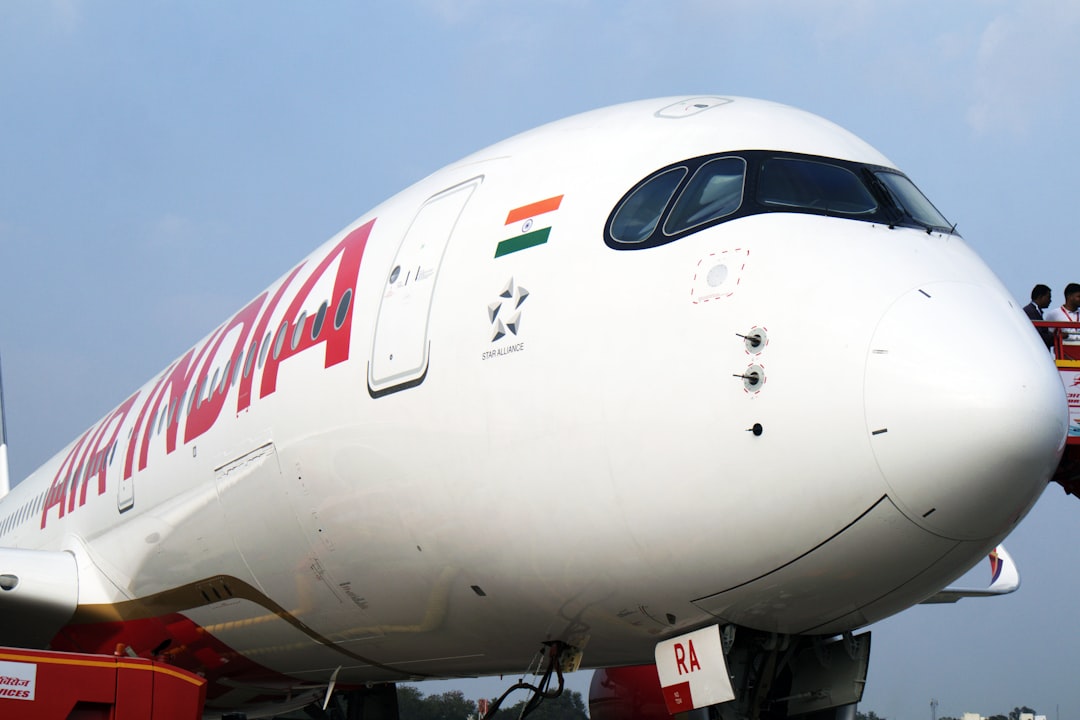
With the global AI market expected to grow exponentially, Air India’s proactive approach positions it to capitalize on these trends. The airline’s focus on AI-driven solutions not only enhances its operational capabilities but also aligns with broader industry shifts towards digital transformation.
Career Implications of AI in Aviation
As Air India embraces AI, the implications for careers within the aviation sector are profound. For professionals in the industry, understanding AI tools and their applications will become increasingly important. Entry-level positions may evolve, requiring new skills in AI and data analytics.
Mid-career professionals may find opportunities to transition into roles focused on AI implementation and management. As airlines like Air India invest in technology, the demand for skilled workers who can bridge the gap between aviation and technology will rise.
For those considering a career switch, the aviation industry is becoming more accessible to individuals with tech backgrounds. Skills in software development, machine learning, and data analysis will be invaluable as airlines seek to innovate and improve efficiency.

Mid-career professionals may find opportunities to transition into roles focused on AI implementation and management.
- Upskill in AI: Consider taking courses in AI and machine learning to enhance your employability in the aviation sector.
- Network with Industry Professionals: Engage with professionals in the aviation and tech sectors to learn about emerging trends and opportunities.
- Stay Informed: Follow industry news to understand how AI is reshaping the aviation landscape and identify potential job openings.
However, experts warn that while AI presents significant opportunities, it also poses challenges. The rapid integration of AI in aviation could lead to job displacement, particularly in roles that can be easily automated. Industry analysts suggest that professionals should focus on developing complementary skills that enhance their value in an increasingly automated environment.
The Future of AI in Indian Aviation
Looking ahead, the future of AI in Indian aviation appears bright. As Air India sets a precedent with its partnership with Anthropic, other airlines may follow suit, leading to a broader industry transformation. The focus on AI will likely drive innovation, improve customer experiences, and enhance operational efficiencies across the sector.
Moreover, as AI technologies mature, we can expect to see more sophisticated applications within airlines, including predictive maintenance, personalized customer service, and enhanced safety protocols. These advancements will not only benefit airlines but also passengers, creating a more seamless travel experience.

As the aviation industry continues to evolve, the key question remains: how will you position yourself to take advantage of the opportunities presented by this AI revolution? The landscape is changing, and those who adapt will thrive in the new era of air travel.
Written by Career Ahead AI. AI can make mistakes, so verify key facts. Report errors to support@careeraheadonline.com.





