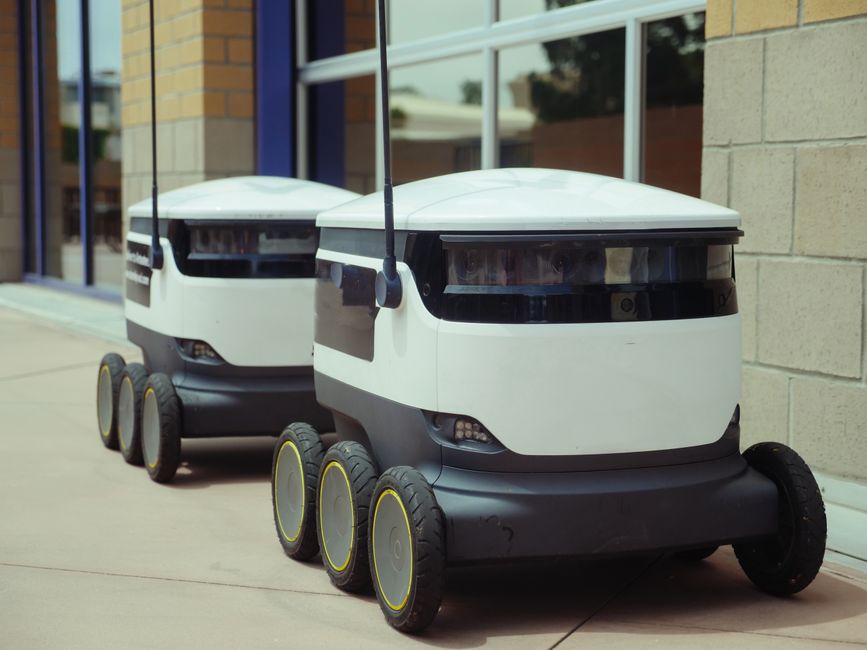
Delivery robots are changing last-mile logistics. They can cut delivery costs and transform urban delivery. Recent insights from Serve Robotics show these technologies can lower expenses and boost efficiency in cities.
Ali Kashani, CEO of Serve Robotics, highlighted partnerships with food delivery companies like DoorDash and Grubhub. This trend shows a growing reliance on automation to solve last-mile delivery issues. AI-powered robots streamline operations and create new cost-saving opportunities in logistics.
Cost Reduction and Efficiency Gains in Delivery
Career Ahead’s analysis reveals that delivery robots can cut last-mile delivery costs by up to 30%. This reduction comes from lower labor costs and faster delivery times. According to fdatabot.com, companies using these systems report significant operational savings. This allows them to invest in other important areas.
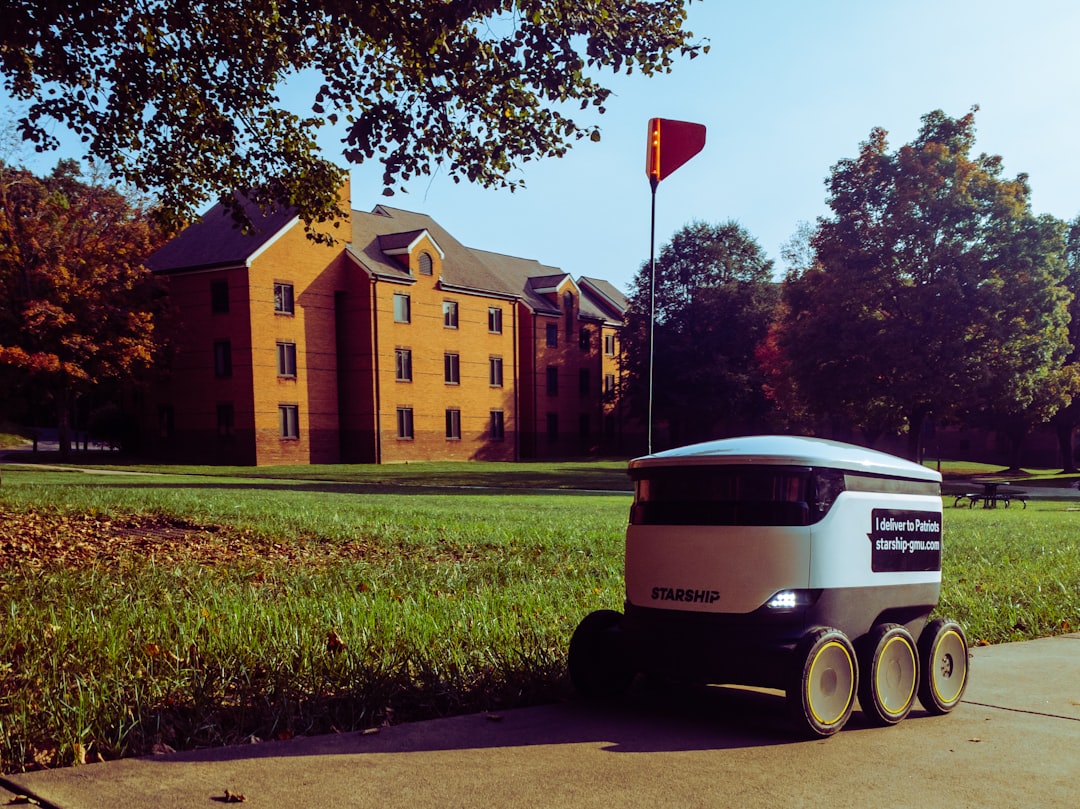
Delivery robots also improve efficiency. They can work 24/7, eliminating downtime linked to human labor. As noted by ottonomy.io, these robots navigate complex urban areas, ensuring timely deliveries even during busy hours. This ability is vital for businesses wanting to stay competitive in the fast-paced delivery market.
Additionally, delivery robots have a positive environmental impact. They optimize delivery routes and reduce the number of vehicles on the road, leading to lower carbon emissions. This supports global sustainability goals, making them appealing for companies focused on corporate social responsibility (CSR).
Logistics managers must consider the total cost of ownership (TCO) when thinking about delivery robots. This includes initial costs, maintenance, and potential savings over time. Career Ahead’s research shows that businesses adopting delivery robots can expect a return on investment (ROI) within two to three years, depending on their size and market conditions.
Career Ahead’s research shows that businesses adopting delivery robots can expect a return on investment (ROI) within two to three years, depending on their size and market conditions.
The Role of AI in Last-Mile Delivery
AI technology is crucial for the success of delivery robots. It helps them learn from their surroundings, improving navigation and delivery accuracy. According to techtimes.com, advancements in machine learning allow robots to adapt to changing urban environments, boosting their efficiency.
Robotics engineers play a key role in developing these AI systems. They create algorithms that help robots make real-time decisions. This includes avoiding obstacles, optimizing routes, and ensuring safe interactions with people and vehicles. As demand for delivery robots rises, engineers specializing in AI and robotics will find many career opportunities.
Moreover, AI’s application goes beyond logistics. The same technology powering delivery robots is being explored in healthcare and other fields. For example, AI-driven robots could help transport medical supplies in hospitals, showcasing the versatility of this technology. Career Ahead’s analysis highlights the potential for robotics engineers to expand their skills and explore various industries.
This knowledge will help logistics professionals make informed decisions about investing in autonomous technologies.
As AI evolves, logistics managers must stay updated on new advancements. Understanding how AI can improve delivery processes is essential for companies wanting to remain competitive. This knowledge will help logistics professionals make informed decisions about investing in autonomous technologies.
Urban Planning and the Future of Delivery Robots
The rise of delivery robots is prompting cities to rethink their infrastructure. As these robots become more common, cities must adapt to support their operations. This includes designing sidewalks and pathways that are safe for both pedestrians and delivery vehicles.
Career Ahead’s research shows that cities embracing delivery robots could see better traffic flow and less congestion. By integrating these robots into transportation networks, urban planners can create a more efficient delivery system. This shift may lead to dedicated lanes for delivery robots, improving their efficiency.
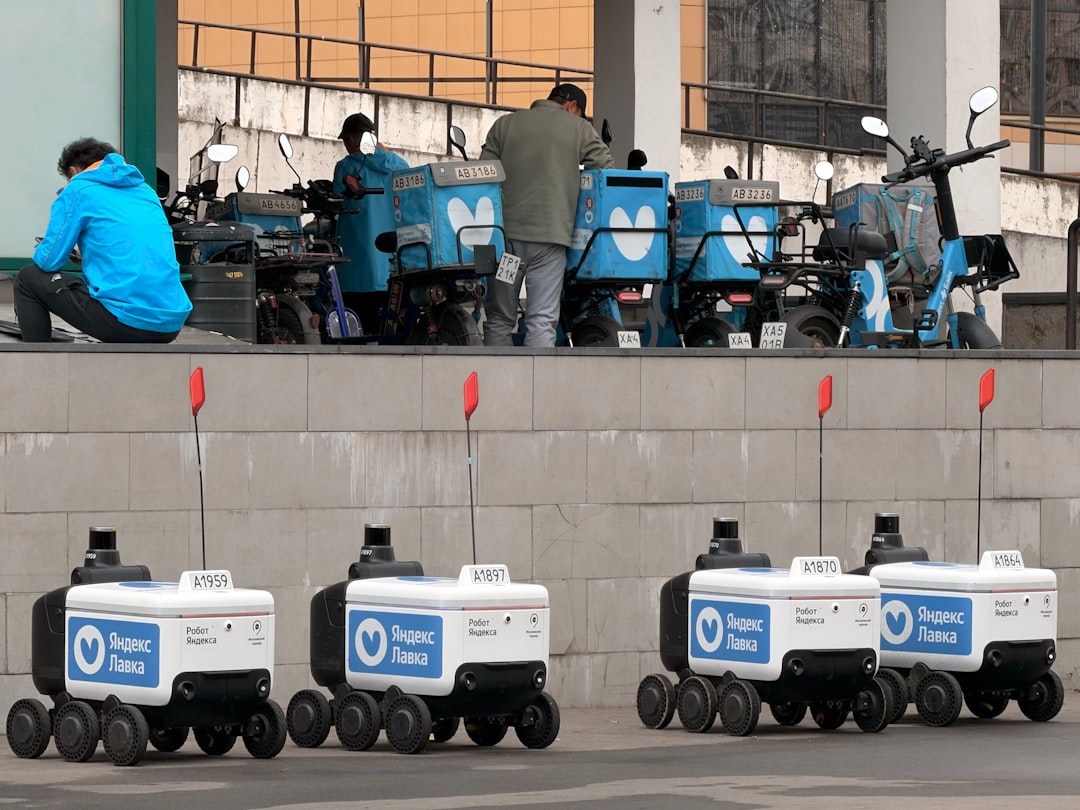
Additionally, delivery robots will have significant societal impacts. As these technologies become standard, they may change consumer expectations. People might expect faster deliveries and seamless service, pushing businesses to innovate continuously. This could also alter labor dynamics in the delivery sector as traditional roles adapt to automation.
Looking ahead, the challenge is how cities will balance the benefits of delivery robots with pedestrian safety and urban access. Ongoing discussions among tech providers, city planners, and the community will shape the future of last-mile delivery.
Understanding the benefits and challenges of delivery robots is crucial for successful implementation.
Frequently Asked Questions
What are the benefits of using delivery robots in logistics?
Delivery robots cut last-mile delivery costs and boost efficiency. They can work around the clock, leading to faster service and lower operational costs.
How can robotics engineers leverage AI in delivery services?
Robotics engineers can develop advanced AI algorithms that improve navigation and decision-making in delivery robots. This specialization offers many career opportunities as demand for these technologies grows.
What should logistics managers consider when implementing delivery robots?
Logistics managers should assess the total cost of ownership, including initial investments and potential savings. Understanding the benefits and challenges of delivery robots is crucial for successful implementation.
Written by Career Ahead AI. AI can make mistakes, so verify key facts. Report errors to support@careeraheadonline.com.