No products in the cart.

How France is Reshaping Education for Indian Students
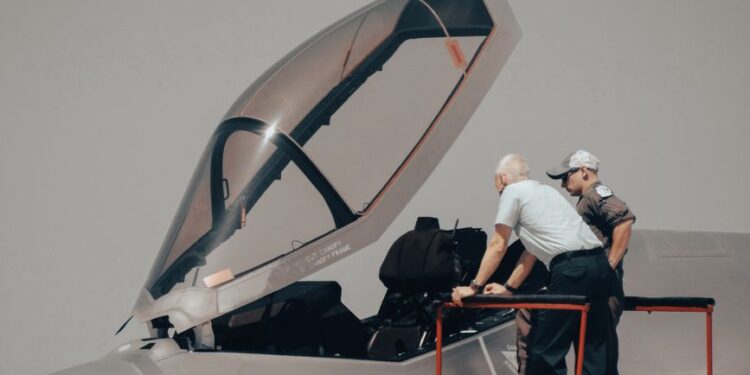
France is reshaping its educational landscape for Indian students by introducing joint degree programs in aerospace and AI, fostering research partnerships and new career pathways. This initiative is poised to significantly impact the future of education and employment in these sectors.

France is set to welcome 30,000 Indian students by 2030 as part of a new educational strategy focused on joint degrees in aerospace and artificial intelligence (AI). This initiative, articulated by Grégor Trumel, the Counsellor for Cultural Affairs and Cooperation at the French Embassy in India, emphasizes the importance of strengthening educational ties between the two nations through collaborative programs and research partnerships.
Trumel highlighted that the push for joint degrees comes as part of a broader effort to enhance the academic and professional opportunities available to Indian students in France. The initiative is designed to create pathways that align with the growing demand for expertise in aerospace and AI, sectors where France has established itself as a leader.
Joint Degrees: A New Frontier for Indian Students
The introduction of joint degree programs marks a significant shift in the educational landscape for Indian students aspiring to enter the fields of aerospace and AI. According to Career Ahead’s analysis, these programs will allow students to gain qualifications recognized in both India and France, thus enhancing their employability in a global market.
Institutions such as IIT Delhi and Sorbonne University are already collaborating to launch dual-degree programs. This partnership reflects a growing trend among Indian institutions to engage with French universities, fostering a system of academic exchange that benefits both parties. Students enrolled in these programs will have the opportunity to study in both countries, gaining diverse perspectives and experiences that are invaluable in today’s interconnected world.
Moreover, the Mutual Recognition of Academic Qualifications Agreement signed between India and France in 2018 plays a crucial role in facilitating this educational exchange. This agreement helps streamline the process for students, making it easier to transition between the two education systems and ensuring that their qualifications are recognized across borders.
Career Ahead research identifies that the focus on aerospace and AI is particularly strategic, given the strong industrial ties between India and France in these sectors. Companies like Airbus and Safran are already heavily invested in India, providing a fertile ground for graduates from these joint programs to secure employment upon completion of their studies.
The integration of practical learning with theoretical foundations in these programs is designed to equip students with the skills necessary to thrive in their chosen fields.
As a result, students pursuing these joint degrees can expect not only a robust academic experience but also enhanced job prospects in a rapidly evolving job market. The integration of practical learning with theoretical foundations in these programs is designed to equip students with the skills necessary to thrive in their chosen fields.
You may also like
 Education & University Insights
Traditional Grading Undermines Creativity and Motivation
Research shows that high‑stakes scores depress self‑determination, encourage fixed mindsets, and prioritize competition over collaboration.
Read More →Research Partnerships and Career Pathways
In addition to joint degrees, France is actively promoting research partnerships that focus on AI technologies. These collaborations aim to foster innovation and development in areas critical to both nations. Trumel noted that initiatives such as the Franco-Indian Campus for Life Sciences in Health exemplify the commitment to collaborative research efforts.
These partnerships not only enhance the academic experience but also provide students with opportunities to engage in cutting-edge research. By working alongside leading experts in their fields, students can contribute to significant advancements in aerospace and AI, positioning themselves as leaders in these industries.
Furthermore, the French government is keen to address concerns regarding language and affordability, which often deter students from pursuing education abroad. With around 1,500 programs available in English and various support systems in place, including subsidized meals and housing for students, France is making strides to ensure that studying there is accessible and appealing to Indian students.
Career Ahead’s analysis shows that the post-study work options available to graduates significantly enhance their employability. Students who complete their master’s degrees in France are eligible for a one-year renewable post-study permit, allowing them to seek employment or start businesses in the country. This policy not only encourages students to gain international experience but also helps to build a skilled workforce that can contribute to the French economy.
As the demand for skilled professionals in aerospace and AI continues to grow, these educational initiatives will play a crucial role in shaping the future workforce. Students equipped with joint degrees and practical experience will be well-positioned to meet the needs of employers in these dynamic sectors.
As the demand for skilled professionals in aerospace and AI continues to grow, these educational initiatives will play a crucial role in shaping the future workforce.
In summary, France’s educational strategy is not just about attracting students; it is about creating a comprehensive ecosystem that supports learning, research, and career development. By fostering strong academic ties and providing practical opportunities, France is setting the stage for a new era of educational collaboration with India.
What This Means for the Future of Education and Employment
You may also like
 Education & University Insights
School Dropout Disrupts Electric Motor Industry
G.D. Naidu, known as the ‘Edison of India’, transformed engineering with his innovative spirit and practical skills, emphasizing the importance of indigenous innovation.
Read More →The emphasis on joint degrees and research partnerships signals a transformative moment for education in India, particularly for students in aerospace and AI. As these programs gain traction, they will likely redefine the academic landscape, making it more conducive to international collaboration and innovation.
Moreover, this initiative aligns with the goals of the National Education Policy (NEP) 2020 in India, which encourages greater internationalization of education. By facilitating partnerships between Indian and French institutions, the NEP aims to enhance the quality of education and expand opportunities for students.
Career Ahead’s analysis indicates that as these educational pathways become more established, we can expect an increase in the number of Indian students pursuing careers in aerospace and AI, further strengthening the ties between the two nations. The potential for cross-border employment opportunities will likely attract more students to these fields, enhancing their global competitiveness.

As we look to the future, the success of these initiatives will depend on continued collaboration between educational institutions, governments, and industry stakeholders. The ability to adapt to the evolving demands of the job market and to foster a culture of innovation will be key to realizing the full potential of this educational strategy.
As these initiatives unfold, they will shape the future of education and employment, paving the way for a new generation of skilled professionals.
In conclusion, the expansion of joint degree programs and research partnerships between India and France marks a significant step toward enhancing educational opportunities for students in aerospace and AI. As these initiatives unfold, they will shape the future of education and employment, paving the way for a new generation of skilled professionals.
Frequently Asked Questions
What are the benefits of pursuing a joint degree in aerospace with France?
Pursuing a joint degree in aerospace with France offers Indian students globally recognized qualifications, practical learning experiences, and enhanced employability in a competitive job market. These programs also facilitate cultural exchange and international networking opportunities.
How can I apply for research partnerships in AI between India and France?
You may also like
 Education & University Insights
Meghalaya to train 1,729 teachers on life skills &
Meghalaya is set to train 1,729 teachers in life skills and adolescent health, enhancing educational outcomes across the state through a comprehensive training initiative.
Read More →Students interested in research partnerships can connect with their universities, which often have established collaborations with French institutions. Engaging with programs like Campus France can also provide valuable guidance and support for prospective applicants.

What skills should aerospace engineering students develop to align with the new educational initiatives?
Aerospace engineering students should focus on developing skills in AI, data analysis, and practical engineering applications. Proficiency in these areas will enhance their competitiveness in joint degree programs and future employment opportunities.