

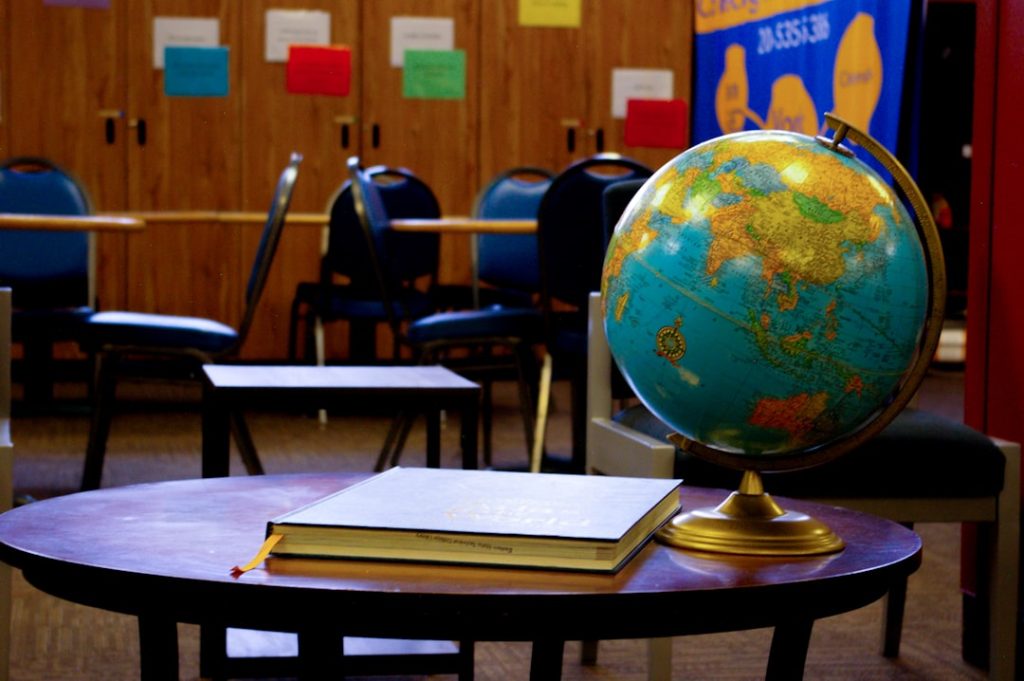
Paris, France — As the world becomes increasingly interconnected, the role of education in fostering innovation has never been more critical. Recent international partnerships among educational institutions are redefining how creativity is cultivated and applied across diverse fields. These collaborations aim not only to enhance learning experiences but also to prepare students for the complexities of a global economy.
Why does this matter now? The urgency for innovation is palpable in today’s rapidly changing job market, where the demand for skilled workers who can think critically and adapt is at an all-time high. According to a report by the World Economic Forum, over 85 million jobs may be displaced by 2025 due to automation, while 97 million new roles could emerge that are more suited to the new division of labor between humans and machines.[1] This landscape necessitates a workforce equipped with advanced skills, adaptability, and creativity—all of which are nurtured in a global education framework.

International education partnerships, such as those formed under the Erasmus+ program in Europe, exemplify how cross-border collaborations can enhance educational outcomes. The program has enabled over 10 million students to study abroad since its inception in 1987, fostering an environment where diverse ideas and perspectives converge. This exposure not only enriches the students’ academic experience but also equips them with the cross-cultural competencies that are essential in today’s globalized workforce.
Furthermore, universities and colleges are increasingly collaborating with industry leaders to align curricula with real-world demands. For instance, the University of Melbourne has partnered with global tech firms to co-develop courses that address pressing technological advancements and societal needs. This approach not only enhances the employability of graduates but also drives innovation within the companies involved.
This exposure not only enriches the students’ academic experience but also equips them with the cross-cultural competencies that are essential in today’s globalized workforce.
Another notable example is the partnership between Stanford University and the National University of Singapore. By establishing joint research initiatives, these institutions are tackling global challenges such as climate change and public health. The collaboration has resulted in groundbreaking research, including advancements in sustainable energy solutions and health technologies, demonstrating the potential of international educational partnerships to address critical global issues.
However, the impact of these partnerships extends beyond academic achievements. They cultivate a culture of collaboration and creativity that permeates the workforce. Companies are increasingly recognizing the value of hiring graduates who possess international experience and diverse perspectives. A survey by the Association of American Colleges and Universities found that 75% of employers prioritize hiring candidates with global skills, highlighting the competitive advantage gained from a global education[2].
Critics argue that while these partnerships can enhance educational experiences, they may not be accessible to all students. There remains a significant disparity in how resources are allocated, often favoring elite institutions. Furthermore, the digital divide can exacerbate inequalities, particularly as more educational experiences shift online. As educational leaders strive to create inclusive programs, addressing these disparities will be crucial for ensuring that the benefits of global education are equitably distributed.
Looking ahead, the future of work will increasingly depend on the ability to innovate and collaborate across borders. The skills cultivated through international educational partnerships will be essential for navigating the complexities of the global economy. As technology continues to evolve, so too must our approaches to education.
The skills cultivated through international educational partnerships will be essential for navigating the complexities of the global economy.
In this context, educational institutions, policymakers, and industry leaders must work collaboratively to ensure that all students have access to global learning opportunities. This will not only enhance individual career prospects but also contribute to a more innovative and resilient workforce capable of meeting future challenges. The question remains: how can we further bridge the gap between education and the demands of a rapidly changing world?
Written by Career Ahead AI. AI can make mistakes, so verify key facts. Report errors to support@careeraheadonline.com.





