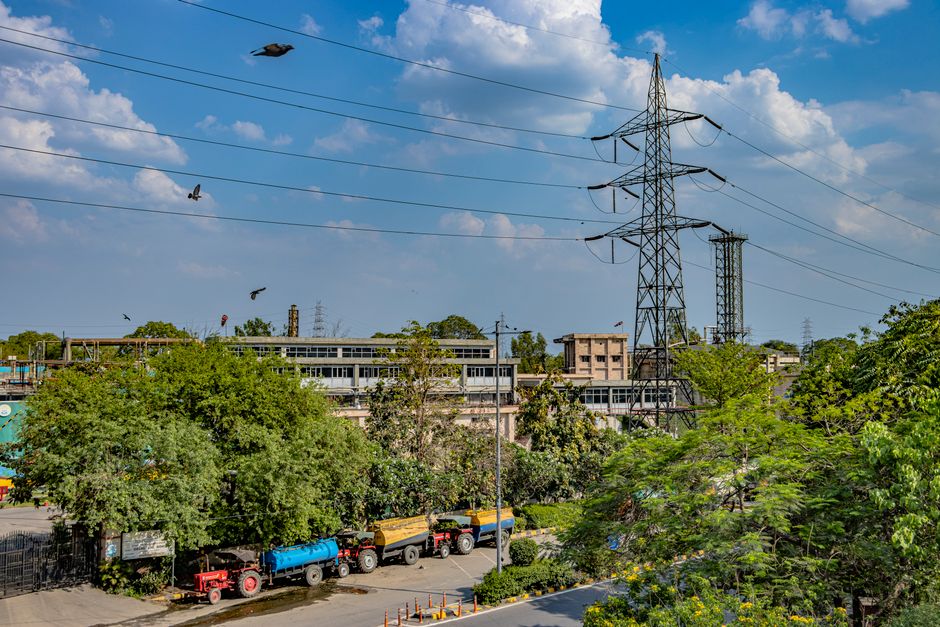
India’s industrial growth quickened to 8% in August 2026, up from 7.35% in July, reflecting a significant uptick across various sectors, particularly manufacturing and electricity. This growth, reported by the Ministry of Statistics and Programme Implementation, marks the second-highest rate since April 2024, driven by strong performances in capital goods and consumer sectors.
The manufacturing sector alone saw an impressive growth rate of 8.95%, making it the second-highest recorded since the new Index of Industrial Production (IIP) series began. This surge is primarily attributed to increased production in motor vehicles, machinery, textiles, and electronics, indicating a robust demand in these areas.
Surging Demand in Manufacturing and Supply Chain Roles
With industrial growth at 8%, the demand for skilled professionals in manufacturing and supply chain management is expected to rise sharply. Career Ahead’s analysis shows that this growth trend signals a significant shift towards automation and efficiency in manufacturing processes, which will require engineers and managers to adapt their skills accordingly. The manufacturing sector’s growth is not just a number; it translates into real job opportunities for engineers and supply chain professionals.
According to data from business-standard.com, the capital goods sector experienced a remarkable growth of 16.9%, indicating a strong investment in infrastructure and machinery. This growth directly correlates with the need for manufacturing engineers who can design and implement advanced production systems. As companies seek to enhance productivity, the demand for engineers skilled in automation technologies will likely increase.
Furthermore, the electricity sector’s growth, reported at a 27-month high of 12.3%, suggests a parallel rise in energy-related job opportunities. As manufacturing processes become more energy-efficient, supply chain managers will need to understand energy consumption patterns and integrate sustainable practices into their operations. This presents a unique opportunity for professionals to expand their skill sets in energy management.
The consumer durables sector also saw a growth of 11.1%, which reflects increased consumer spending and demand for goods. This trend indicates that supply chain managers must be adept at responding to fluctuating market demands and managing inventory effectively. The ability to forecast trends and adjust supply chains accordingly will be crucial for success in this evolving landscape.
This presents a unique opportunity for professionals to expand their skill sets in energy management.
Implications for Career Development in Manufacturing
The implications of this industrial growth extend beyond immediate job opportunities; they also indicate a shift in the skills required for future employment in manufacturing and supply chain management. Career Ahead research identifies that professionals in these fields will need to focus on advanced skills, particularly in automation and data analytics, to remain competitive.
As noted by swarajyamag.com, the growth in manufacturing is not just about increasing output; it also involves adopting new technologies that streamline operations. Engineers will need to familiarize themselves with Industry 4.0 concepts, including IoT, AI, and machine learning, to optimize production processes. This technological shift represents both a challenge and an opportunity for those in the field.
Moreover, the increased emphasis on sustainability in manufacturing processes will require supply chain managers to integrate eco-friendly practices. Understanding how to manage resources efficiently and reduce waste will be essential skills moving forward. Companies are increasingly seeking professionals who can contribute to their sustainability goals, making this a key area for career development.

The current growth trend also suggests that educational institutions may need to adapt their curricula to prepare students for these emerging job requirements. Programs focusing on automation, data analysis, and sustainable practices will likely become more relevant, providing students with the skills necessary for the evolving job market.
The current growth trend also suggests that educational institutions may need to adapt their curricula to prepare students for these emerging job requirements.
As the industrial sector continues to grow, the competition for skilled professionals will intensify. Those who proactively seek to enhance their skills and adapt to new technologies will be well-positioned to take advantage of the opportunities presented by this industrial growth.
Looking Ahead: Future Trends in the Industrial Sector
Looking ahead, the industrial growth observed in August 2026 is likely to have lasting effects on the job market and the economy. The upcoming festival season, which typically boosts consumer demand, may further accelerate growth in manufacturing and related sectors. This period will be critical for companies to capitalize on increased consumer spending and for professionals to leverage new job opportunities.
The question remains: how will companies adapt to sustain this growth? As competition increases, businesses will need to innovate continuously and invest in technology to maintain their market positions. This could lead to further advancements in manufacturing processes and supply chain management practices.
Additionally, as the demand for skilled workers rises, there may be a shift in how companies approach talent acquisition. Employers might prioritize candidates with specialized skills in automation and data analytics, reshaping the hiring landscape in the manufacturing sector.
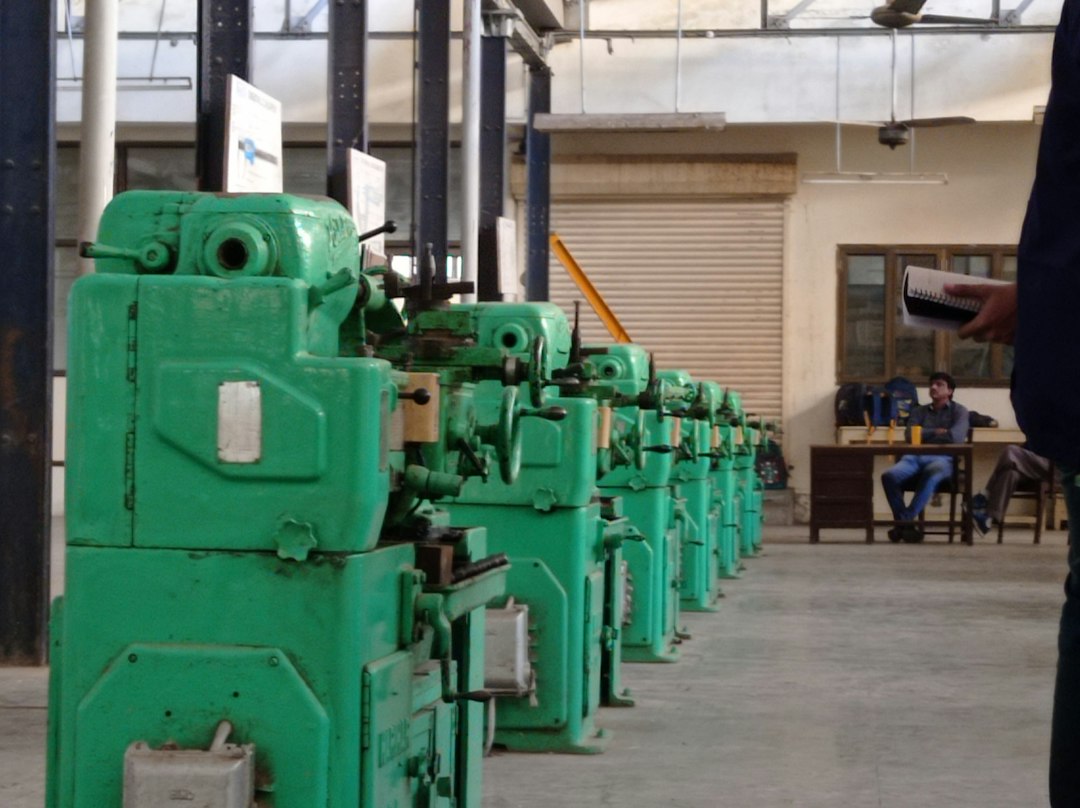
The industrial growth trend in India not only signifies a recovery but also a transformation in the job market. As companies embrace new technologies and practices, the roles of manufacturing engineers and supply chain managers will evolve, presenting both challenges and opportunities in the near future.
Supply chain managers can adapt by enhancing their skills in inventory management, forecasting trends, and integrating sustainable practices into their operations to respond effectively to market demands.
Frequently Asked Questions
What skills are in demand for manufacturing engineers after the recent industrial growth?
Career Ahead analysis finds that manufacturing engineers will need to focus on automation technologies, data analysis, and sustainable manufacturing practices to meet the demands of the evolving industrial landscape.
How can supply chain managers adapt to the increased industrial output?
Supply chain managers can adapt by enhancing their skills in inventory management, forecasting trends, and integrating sustainable practices into their operations to respond effectively to market demands.

What should manufacturing engineers do to leverage the 8% growth in their sector?
Manufacturing engineers should seek to upskill in automation and data analytics while staying informed about emerging technologies to remain competitive and capitalize on job opportunities arising from the industrial growth.
Written by Career Ahead AI. AI can make mistakes, so verify key facts. Report errors to support@careeraheadonline.com.