No products in the cart.

How India’s Inflation Surge Affects Economic Policy

India's inflation rate is on the rise, reaching 4.45% in July 2026, the highest in 19 months. This trend raises critical questions for policymakers and financial analysts regarding interest rates, fiscal policy adjustments, and consumer spending patterns.

India’s inflation rate hit 4.45% in July 2026. This is the highest level in 19 months. Many were surprised by this increase, especially due to rising costs of food, fuel, and transport. The Reserve Bank of India (RBI) has kept its repo rate at 5.25% for the fourth time. This shows a cautious approach to monetary policy amid these trends.
This rise in inflation is important for the economy and for policymakers. It could lead to changes in fiscal policy and affect consumer spending across the country. Understanding these changes is vital for those in finance and policy-making roles.
Impact of Inflation on Interest Rates
The recent inflation data shows ongoing upward pressure on prices, especially in food and transport. Food inflation rose from 5.45% in June to 5.79% in July, mainly due to staples like onions and garlic. Transport inflation also increased, reflecting higher input costs that could impact various sectors.
Career Ahead’s analysis suggests that the RBI’s decision to keep the repo rate steady at 5.25% indicates a careful balance between controlling inflation and supporting economic growth. With inflation above the RBI’s target of 4%, the central bank faces pressure to consider rate hikes in future meetings. Analysts predict that if inflation rises further, the RBI may have to increase interest rates to curb spending and stabilize prices.
Rising interest rates could significantly impact consumer borrowing and spending. Higher rates usually mean increased costs for loans and mortgages, which may discourage consumer spending. This could slow economic growth, especially if consumers tighten their budgets due to higher borrowing costs.
The effect of rising interest rates on businesses is also important. Companies may face higher capital costs, leading to less investment and hiring. Financial analysts must monitor these trends closely and adjust their forecasts as businesses navigate a tougher economic environment.
The effect of rising interest rates on businesses is also important.
Overall, the link between inflation and interest rates is crucial for understanding India’s current economic landscape. Policymakers and financial analysts must stay alert as they assess the impacts of rising inflation on monetary policy and economic growth.
Adjustments in Fiscal Policy by Government Entities
In light of rising inflation, the Indian government may need to adjust its fiscal policy. The current inflationary environment makes it challenging to maintain economic stability while ensuring essential services and subsidies remain intact. With food inflation hitting lower-income households hard, the government may need to implement targeted measures to ease the burden on these groups.
Career Ahead research suggests that the government could increase subsidies for essential goods to help offset rising prices. This approach would aim to protect vulnerable populations while keeping consumer spending stable. However, such measures require careful balancing to avoid worsening fiscal deficits.
The government may also need to explore new revenue sources to fund these measures. This could involve revisiting tax policies or introducing new taxes on luxury goods. Financial analysts will need to assess how these policy changes could impact the broader economy and consumer behavior.
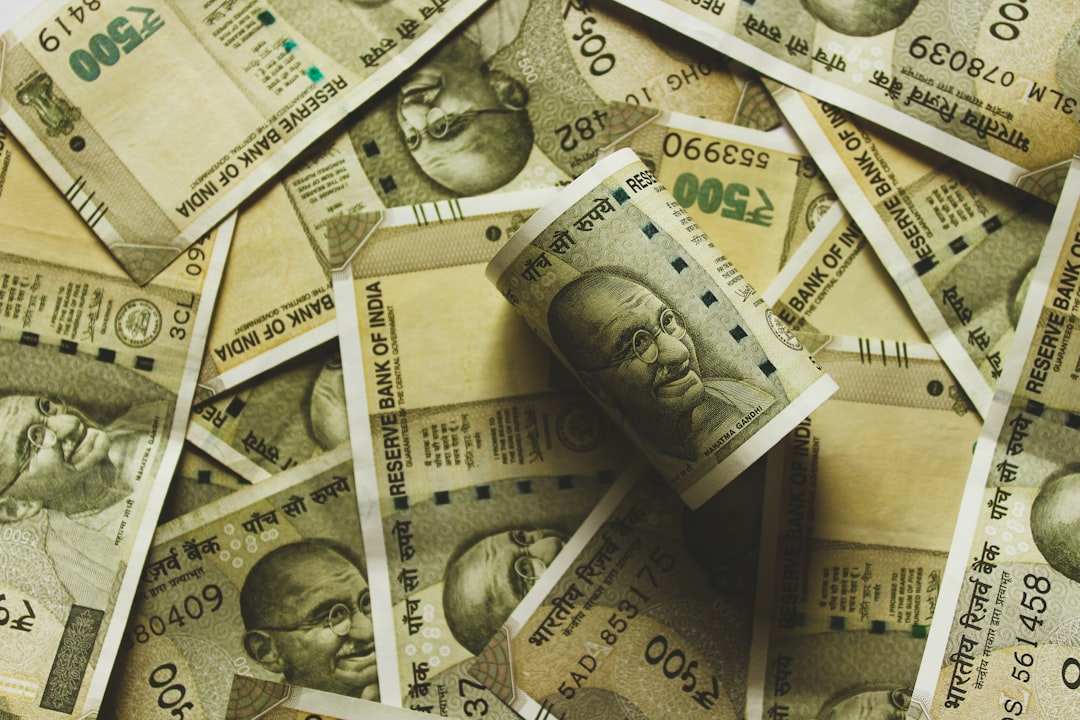
Increased government spending to combat inflation raises questions about long-term sustainability. If inflation continues to rise, the government may have to choose between maintaining fiscal discipline and providing necessary support to its citizens.
Ultimately, the government’s response to rising inflation will shape the economic landscape. Policymakers must weigh the benefits of fiscal measures against the risks of increasing debt and inflationary pressures.
Career Ahead’s analysis indicates that sectors like food and essentials may continue to grow, while luxury goods and non-essential services could see a decline in demand.
Predictions for Consumer Spending Patterns
The rise in inflation will likely impact consumer spending patterns in India. As prices increase, consumers may prioritize essential goods over discretionary spending. This shift could lead to significant changes in retail and service sectors, as businesses adapt to a more cautious consumer base.
Career Ahead’s analysis indicates that sectors like food and essentials may continue to grow, while luxury goods and non-essential services could see a decline in demand. Businesses will need to adjust their strategies, focusing on value and affordability to attract budget-conscious consumers.
Moreover, rising inflation will affect consumer sentiment. As consumers notice higher prices, their confidence in the economy may decrease, leading to further cuts in spending. Financial analysts should closely monitor consumer sentiment indicators, as these can provide insights into future spending patterns.

Global economic uncertainties, such as geopolitical tensions and potential supply chain disruptions, may complicate the consumer landscape. Analysts must consider these external factors when forecasting consumer behavior and overall economic performance.
In summary, the relationship between inflation, consumer spending, and economic policy will be crucial for understanding India’s economic future. As inflation rates rise, the implications for policymakers and financial analysts will grow more significant.
As inflation continues to challenge the Indian economy, the key question is: how will policymakers adapt their strategies to balance inflation control with economic growth?
As inflation continues to challenge the Indian economy, the key question is: how will policymakers adapt their strategies to balance inflation control with economic growth? The next few months will be vital in determining the direction of inflation and consumer behavior in India.
Frequently Asked Questions
What are the latest inflation trends affecting financial markets?
India’s inflation rate reached 4.45% in July 2026, a 19-month high. This increase is driven by rising food, fuel, and transport costs, influencing financial markets and economic forecasts.
How should policymakers respond to rising inflation?
Policymakers may need to adjust fiscal policies, such as increasing subsidies for essential goods, while balancing the need for fiscal discipline to avoid worsening inflationary pressures.

What strategies can financial analysts use to forecast inflation impacts?
Financial analysts should monitor inflation trends, consumer sentiment, and government policy responses closely. This will help them adjust forecasts and provide actionable insights for businesses navigating the changing economic landscape.
Written by Career Ahead AI. AI can make mistakes, so verify key facts. Report errors to support@careeraheadonline.com.