No products in the cart.

How India’s Semiconductor Push Creates Jobs for Engineers
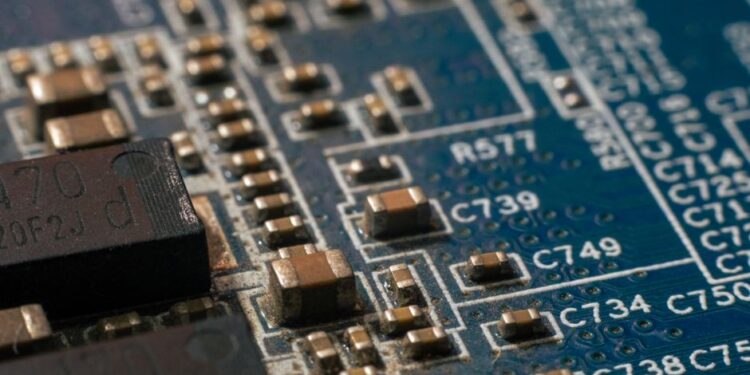
India's push to become a major player in semiconductor manufacturing is reshaping the job landscape for engineers and supply chain managers. With government initiatives and international partnerships, new opportunities are emerging in this critical sector.

India is making significant strides to establish itself as a leader in global semiconductor manufacturing. Prime Minister Narendra Modi inaugurated SEMICON India 2026 on September 17, bringing together over 600 exhibitors and 300 international companies at the Yashobhoomi Convention Centre in New Delhi. This three-day event focuses on India’s ambitions in chip design, investment, innovation, and talent development.
The initiative is crucial as the global semiconductor market expands, driven by rising demand for electronics and technology. India aims to enhance its position in the semiconductor supply chain, especially in light of recent geopolitical tensions that underscore the need for self-reliance. Consequently, new opportunities are emerging for semiconductor engineers and supply chain managers in the tech industry.
Surge in Demand for Semiconductor Engineers
The semiconductor industry in India is poised for rapid growth, supported by the government’s Semicon India Programme, which has approved 12 semiconductor projects aimed at attracting foreign investment and boosting local manufacturing. According to the Ministry of Electronics and Information Technology (MeitY), these projects are expected to create thousands of jobs, particularly in engineering roles.
Career Ahead’s analysis indicates that local semiconductor manufacturing will significantly increase the demand for engineers. The government aims to develop a workforce of 100,000 technicians and cleanroom workers, as highlighted by Union Minister Ashwini Vaishnaw at SEMICON India 2026. This emphasis on workforce development underscores the need for engineers skilled in chip design, fabrication, and advanced packaging.
Companies like Tata Electronics are expanding operations in India, planning to sign 16 memorandums of understanding (MoUs) with domestic and international suppliers. This expansion is projected to create over 150,000 direct jobs, many of which will be engineering positions. As semiconductor companies grow, professionals with expertise in semiconductor technology will find ample job opportunities.
Infineon Technologies reported a workforce increase of over 28% in the past year, reflecting the rising demand for skilled engineers in this field.
Moreover, major global players such as Micron and Infineon are increasing their investments and workforce in India, further solidifying the country’s position in the semiconductor sector. Infineon Technologies reported a workforce increase of over 28% in the past year, reflecting the rising demand for skilled engineers in this field. Reports from The Hindu also emphasize how India’s semiconductor ecosystem is expanding, creating new opportunities for engineers and technicians.
The government’s commitment to fostering a supportive environment for semiconductor companies is expected to encourage research and development. As demand for advanced technology rises, engineers who can innovate will be essential. This focus on developing a skilled workforce will help close the talent gap in the semiconductor industry, ensuring that India maintains its competitive edge in the global market.
Transforming Supply Chain Management
As India emerges as a semiconductor manufacturing hub, supply chain managers in the tech sector must adapt their strategies. The government’s emphasis on a self-reliant semiconductor ecosystem means companies will prioritize local suppliers. This shift will necessitate new partnerships and optimized logistics within India.
Career Ahead’s research suggests that supply chain managers must enhance their skills in managing local supplier relationships and navigating the complexities of the semiconductor supply chain. The focus on local sourcing will require a reevaluation of existing supply chain models to mitigate risks from global disruptions. The Times of India reports that as Tata Electronics collaborates with international suppliers, supply chain managers will need expertise in cross-border logistics and compliance.
The establishment of semiconductor projects across various states in India will create a demand for regional supply chain strategies. Companies will need to navigate different regulatory environments and build efficient transportation networks. This evolving landscape presents both challenges and opportunities for supply chain managers as they strive to create resilient supply chains.

As the semiconductor industry expands, effective supply chain management becomes increasingly critical.
Partnerships with global semiconductor firms will also influence the future of supply chain management in India. As Tata Electronics collaborates with international suppliers, supply chain managers will need skills in cross-border logistics and compliance, enhancing the competitiveness of India’s semiconductor ecosystem and facilitating better integration into the global market.
As the semiconductor industry expands, effective supply chain management becomes increasingly critical. Adapting to changing market conditions and leveraging local resources will be essential for companies to thrive in this competitive landscape.
Preparing for Industry Changes
As India continues to advance in semiconductor manufacturing, professionals in both engineering and supply chain management must prepare for the upcoming changes. Engineers should focus on gaining experience in semiconductor manufacturing processes and seek training in advanced technologies. Staying updated on industry trends and building a professional network will also be beneficial in this evolving landscape.
Supply chain managers will need to build strong relationships with domestic suppliers and reevaluate logistics and transportation networks for efficiency and reliability. The shift towards local sourcing strategies will be crucial as the industry grows.

Frequently Asked Questions
What skills are needed for semiconductor engineers in the new Indian market?
Semiconductor engineers in India will need skills in chip design, fabrication, and advanced packaging. Familiarity with local manufacturing processes and compliance with international standards will also be crucial as the industry expands.
Professionals will need to build relationships with domestic suppliers, requiring a reevaluation of logistics and transportation networks for efficiency and reliability.
How will supply chain management change with the rise of local semiconductor production?
Supply chain management will shift towards local sourcing strategies. Professionals will need to build relationships with domestic suppliers, requiring a reevaluation of logistics and transportation networks for efficiency and reliability.
What should semiconductor engineers do to prepare for the upcoming industry changes?
Engineers should gain experience in semiconductor manufacturing processes and seek training in advanced technologies. Staying updated on industry trends and building a professional network will also be beneficial in this evolving landscape.
Related Articles
- Distraction-free writing gadget BYOK is adding custom extensions
Written by Career Ahead AI. AI can make mistakes, so verify key facts. Report errors to support@careeraheadonline.com.