Washington, D.C. — Borrowing costs are increasing globally, driven by a complex interplay of rising debt levels, persistent inflation, and shifting political landscapes. As governments grapple with these challenges, the implications for individuals and businesses are profound. understanding these dynamics is crucial for anyone looking to navigate the financial landscape effectively.
In recent months, long-term bond yields have surged, a clear indicator that investors are demanding higher returns amid concerns over inflation and government debt. According to Bloomberg, the selloff in long-dated bonds is intensifying, making it more expensive for governments to finance their operations. This trend is particularly alarming as it suggests that borrowing costs will continue to rise, impacting everything from mortgages to business loans.
The U.S. Federal Reserve has been at the forefront of this shift, adjusting interest rates in response to inflationary pressures. The central bank’s actions aim to stabilize the economy, but they also contribute to the rising costs of borrowing. As rates increase, individuals and businesses will find it more challenging to secure loans, which may slow economic growth in the long run.
Why Rising Debt and Inflation Matter Now
Debt levels among governments have reached unprecedented heights, exacerbated by pandemic-related spending and economic relief measures. As reported by Bloomberg, the U.S. national debt has surpassed $31 trillion, raising concerns about fiscal sustainability. This situation is not unique to the United States; many countries are facing similar challenges, leading to a global phenomenon where borrowing costs are on the rise.
As rates increase, individuals and businesses will find it more challenging to secure loans, which may slow economic growth in the long run.
Inflation, fueled by supply chain disruptions and increased demand, has further complicated the scenario. The Consumer Price Index (CPI) has shown significant increases, prompting central banks worldwide to reconsider their monetary policies. The combination of high inflation and soaring debt creates a precarious situation for governments and individuals alike.
As borrowing costs rise, the impact on consumers is immediate. Higher interest rates mean that mortgages, car loans, and credit card debts will become more expensive. For many, this could lead to a reduction in disposable income and a shift in spending habits. Businesses, too, will feel the pinch as they face higher costs for financing expansion and operations.
 Government & Policy
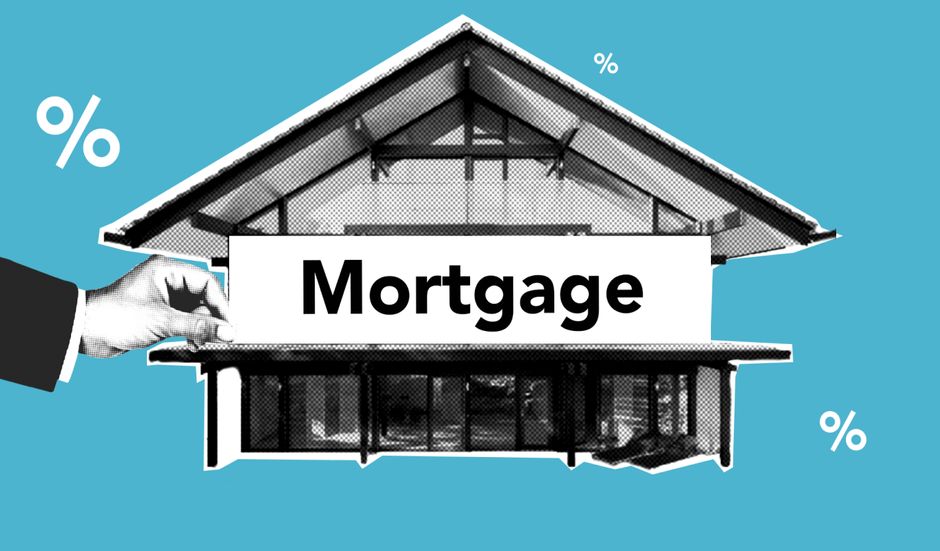
RBI Rate Hike Impacts Mortgage Costs
The Reserve Bank of India has raised its repo rate by 25 basis points, marking the first increase in four years. This change will likely…
Read More →
How This Affects Your Financial Decisions
The current financial landscape necessitates a reevaluation of personal and business financial strategies. For individuals, understanding the implications of rising borrowing costs is essential for making informed decisions. Here are several ways to adapt:
- Assess your debt: Take a close look at any existing loans or credit. Consider refinancing options if interest rates are still favorable.
- Consider fixed-rate loans: If you are planning to borrow, opting for a fixed-rate loan can protect you from future rate hikes.
- Budget for increased costs: With rising borrowing costs, adjust your budget to account for higher monthly payments on loans.
- Stay informed: Keep an eye on economic indicators and central bank announcements to anticipate changes in borrowing costs.
However, experts warn that this trend may not be sustainable. A recent analysis by the World Bank suggests that while inflation and debt are rising, the global economy may stabilize if governments implement effective fiscal policies. Balancing debt levels with economic growth is crucial to avoid a prolonged financial crisis.
The Future of Borrowing Costs in a Volatile Economy
Looking ahead, the trajectory of borrowing costs will largely depend on how governments manage their debt and address inflation. If inflation persists, central banks may continue to raise interest rates, further increasing borrowing costs. Conversely, if governments can implement effective measures to control inflation, we may see a stabilization of rates.
Balancing debt levels with economic growth is crucial to avoid a prolonged financial crisis.

For individuals and businesses, staying agile and informed will be key. Those who can adapt to changing financial conditions will be better positioned to navigate the challenges ahead. As we move into the next year, consider how these economic factors influence your financial strategies and be prepared to pivot as necessary.
What steps are you taking today to prepare for potential increases in borrowing costs tomorrow?
 News
NewsSoftware Engineer Considers Farming as AI Advances
A software engineer with nearly a decade of experience considers farming as AI advances, prompting Reddit users to debate work and alternative livelihoods.
Read More →Written by Career Ahead AI. AI can make mistakes, so verify key facts. Report errors to support@careeraheadonline.com.