
Punjabi University, Patiala, has announced a partial rollback of its recent fee hike, aiming to ease the financial burden on students. Vice-Chancellor Jagdeep Singh made the announcement on August 19, 2026, emphasizing the need to consider the socio-economic backgrounds of many students. Despite facing financial strain, the new fee structure supports academic and research activities while remaining affordable.
The revised tuition and hostel fees will now increase by about 7.5%, significantly lower than the inflation and Consumer Price Index growth over the past five years. This change follows a review of fee structures at similar institutions, such as Panjab University and Guru Nanak Dev University, allowing Punjabi University to remain competitive while being accessible to students.
Financial Relief for Students
The fee rollback at Punjabi University is welcome news for many students struggling with rising education costs. This decision aligns with a trend among universities prioritizing student welfare amid financial challenges. Many students had expressed concerns about the previous fee hike, which added to their financial stress.
For both undergraduate and postgraduate students, the fee reduction means better financial planning. Students can now allocate their budgets more effectively, potentially investing in resources like textbooks, online courses, or extracurricular activities that enhance their education. This financial relief could also lessen the need for student loans, which are a growing concern for young adults.
Furthermore, this fee adjustment may influence students’ decisions regarding part-time work. Many students balance academic responsibilities with jobs to support their education. With lower fees, students may find it easier to manage their studies and work commitments, leading to better academic performance and overall well-being.
Research from mpowerfinancing.com indicates that financial aid options and reduced fees can significantly impact students’ decisions to enroll in higher education programs, especially in a country where education costs often deter aspiring students.
Furthermore, this fee adjustment may influence students’ decisions regarding part-time work.
Comparison with National Inflation Rates
The decision to roll back fees is significant compared to national inflation rates. Over the past five years, inflation has surged, making it harder for families to afford higher education. According to the World Bank, the rising cost of living has outpaced wage growth, adding pressure on students and their families.
The effective fee increase at Punjabi University is about 7.5%, notably lower than the inflation rate during the same period. This strategic decision reflects the university’s commitment to affordability while addressing its financial needs. By keeping fee increases below inflation, Punjabi University sets a precedent for other institutions.
Moreover, the university’s approach to fee adjustments could serve as a model for other educational institutions facing similar financial pressures. As more universities consider their fee structures, student affordability will likely become a critical factor in decision-making, potentially leading to a broader reevaluation of how universities manage finances and costs passed on to students.
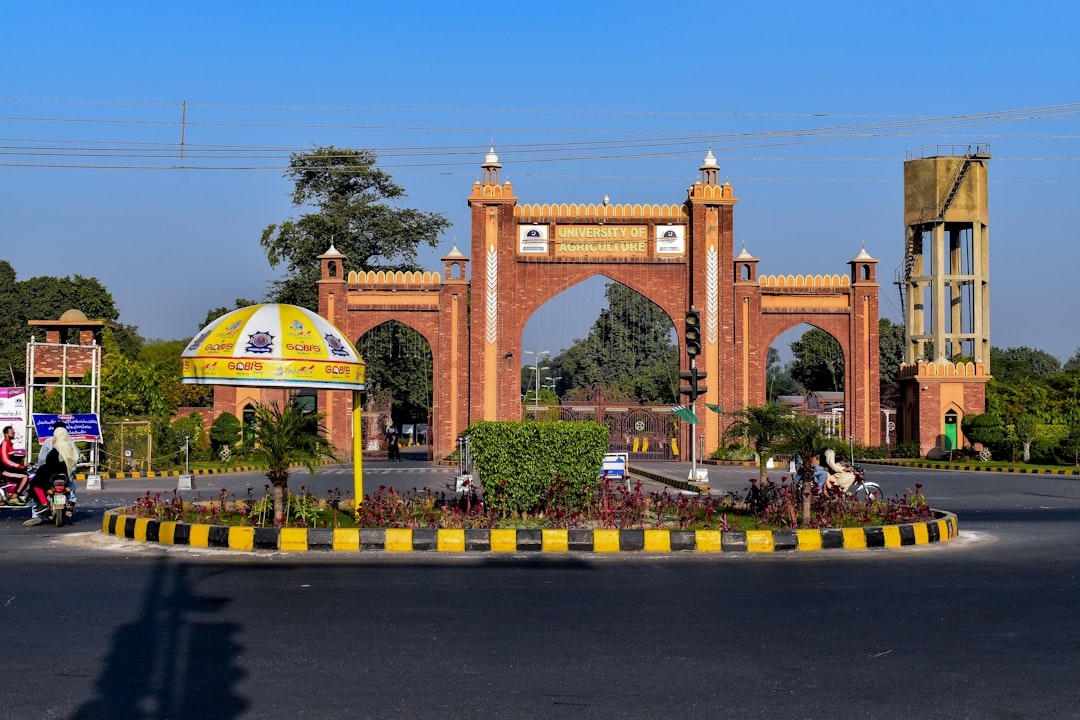
Even after the fee adjustments, Punjabi University remains one of the more affordable options in the region, essential for attracting students from various socio-economic backgrounds and ensuring higher education is accessible to all.
Even after the fee adjustments, Punjabi University remains one of the more affordable options in the region, essential for attracting students from various socio-economic backgrounds and ensuring higher education is accessible to all.
Broader Implications for Higher Education
The partial rollback of fees at Punjabi University signals a shift in higher education policies toward more student-friendly practices. As universities across India face rising operational costs, Punjabi University’s approach could inspire similar changes at other institutions, potentially leading to a sustainable funding model for higher education that balances institutional needs with student affordability.
This decision aligns with findings from mycollegemag.com, emphasizing the importance of financial aid and scholarships in making higher education accessible. As institutions recognize the need to support students financially, we may see more scholarship programs and financial aid initiatives for underprivileged students.
In a broader context, the fee rollback could influence government policies regarding education funding. If more universities adopt similar strategies, there may be increased pressure on policymakers to allocate more resources to higher education, leading to a stronger framework for funding that prioritizes student welfare and educational accessibility.
The challenges students face in financing their education are not unique to Punjabi University. Globally, students are increasingly burdened by debt and rising costs. The strategies employed by Punjabi University may serve as a blueprint for other institutions worldwide, fostering a more equitable approach to education financing.
As the landscape of higher education continues to evolve, the implications of these changes will be closely monitored by students, educators, and policymakers. The ongoing dialogue about education affordability and accessibility is more crucial than ever.
The fee rollback will allow students to allocate their budgets more effectively, potentially reducing reliance on student loans and enabling investments in educational resources and extracurricular activities.
Frequently Asked Questions
What are the new tuition fees at Punjabi University?
The new tuition fees at Punjabi University reflect a partial rollback, resulting in an effective increase of about 7.5%. This adjustment aims to ease the financial burden on students while remaining competitive with other institutions.
How will the fee rollback impact my budget as a student?
The fee rollback will allow students to allocate their budgets more effectively, potentially reducing reliance on student loans and enabling investments in educational resources and extracurricular activities.

What financial aid options are available for students at Punjabi University?
Punjabi University offers various financial aid options, including scholarships and grants, to help students manage their educational expenses and ensure that higher education remains accessible to a broader range of students.
Written by Career Ahead AI. AI can make mistakes, so verify key facts. Report errors to support@careeraheadonline.com.