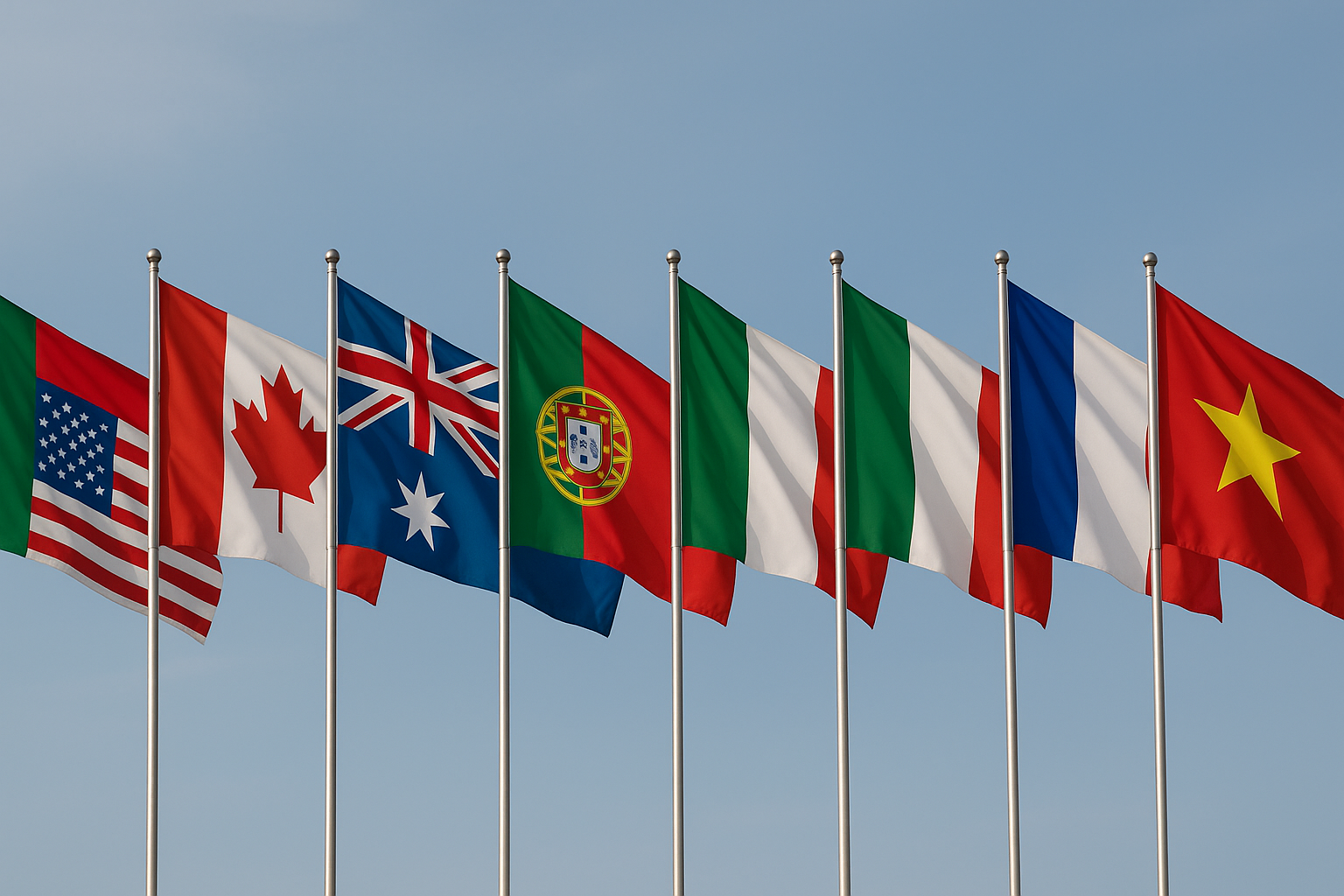
[City], [Country] — As the world grapples with the complexities of trade, Indian Electronic Manufacturing Services (EMS) firms are discovering that diversification is not just a strategy; it’s a lifeline. In the face of rising tariffs imposed by the U.S., these firms are shifting their supply chains and rethinking their operations to secure their place in the global market.
Recent reports indicate that Indian EMS companies are actively seeking alternative sources and routes to mitigate the financial impacts of U.S. tariffs, which have been a significant concern for many manufacturers worldwide. The Economic Times highlighted how some of these companies have effectively shielded themselves from tariff-related challenges through strategic supply chain diversification, ensuring that they remain competitive in an ever-evolving landscape.
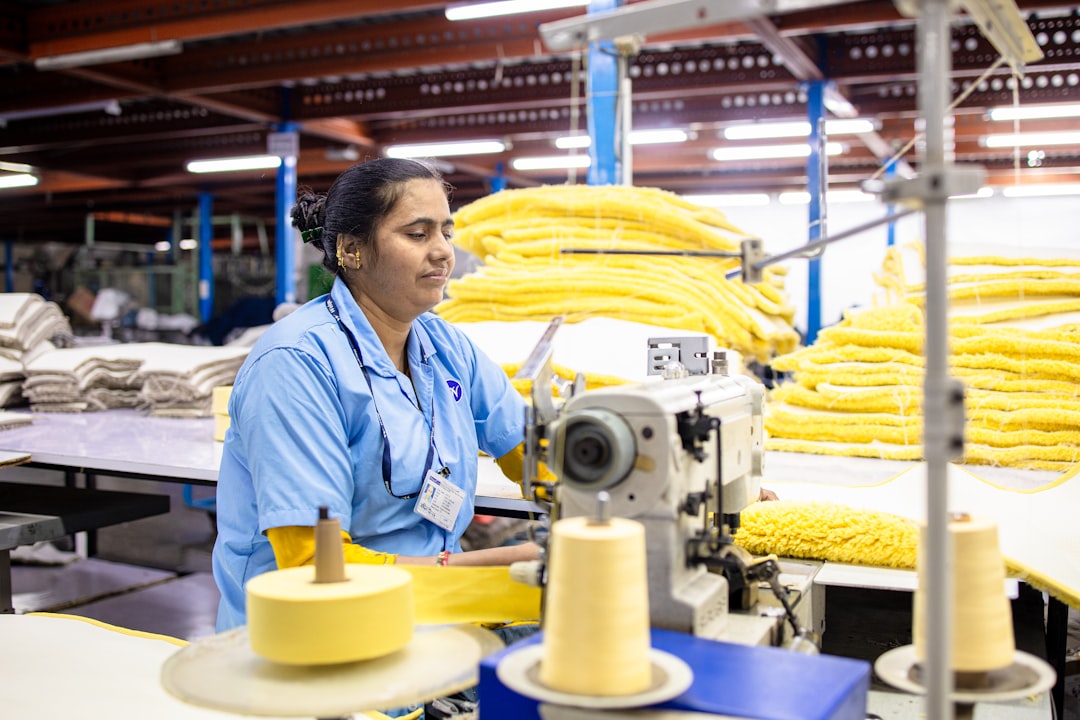
For instance, companies like Flex and Jabil are not only expanding their manufacturing capabilities within India but are also exploring partnerships across Southeast Asia. This multi-faceted approach allows them to leverage lower production costs while maintaining quality and efficiency. By tapping into countries like Vietnam and Thailand, Indian EMS firms are not just responding to current trade pressures but are also future-proofing their operations against unforeseen challenges.
To understand the significance of this shift, one must consider the broader context of international trade. The U.S. has been increasingly protective of its domestic industries, implementing tariffs on a range of goods, including electronics. This has forced companies worldwide to adapt rapidly. The traditional view of manufacturing, where companies relied heavily on single-source suppliers in certain regions, is becoming outdated. Instead, the focus is now on creating robust and flexible supply chains that can withstand external shocks.
By tapping into countries like Vietnam and Thailand, Indian EMS firms are not just responding to current trade pressures but are also future-proofing their operations against unforeseen challenges.
Take the case of a mid-sized EMS firm based in Pune. Faced with a 25% tariff on components imported from China, the firm quickly initiated discussions with suppliers in Taiwan and Malaysia. Within months, they had established new relationships and shifted a significant portion of their production away from China. This swift action not only reduced their tariff exposure but also opened new markets for their products.
However, such transformations are not without their challenges. The transition to a diversified supply chain requires investment, both in terms of capital and human resources. Many EMS firms are now prioritizing training for their workforce to adapt to new technologies and processes that come with working with different suppliers. This includes upskilling employees to ensure they are equipped to handle the nuances of international trade laws and logistics.
Moreover, the reliance on multiple suppliers can introduce complexities in quality control and inventory management. Yet, as the landscape shifts, the benefits of diversification often outweigh the challenges. Companies that invest in these changes are positioning themselves for long-term success.
As the global market continues to evolve, the importance of agility in supply chain management cannot be overstated. The pandemic has shown us that disruptions can occur at any moment, whether from geopolitical tensions or natural disasters. In this light, Indian EMS firms exemplify resilience and adaptability.
Looking ahead, the future of EMS in India seems promising. The government’s push for initiatives like ‘Make in India’ and the increasing trend of companies seeking to localize their supply chains provide a fertile ground for growth. As these firms continue to innovate and diversify, they not only enhance their own prospects but also contribute significantly to the Indian economy.
Many EMS firms are now prioritizing training for their workforce to adapt to new technologies and processes that come with working with different suppliers.
In this era of uncertainty, the key takeaway for companies, regardless of their size or sector, is clear: embracing diversification is no longer optional. It’s imperative for survival. The firms that will thrive in the coming years are those that can pivot, adapt, and forge new paths in their supply chains, ensuring they are not just participants but leaders in the global marketplace.
Written by Career Ahead AI. AI can make mistakes, so verify key facts. Report errors to support@careeraheadonline.com.