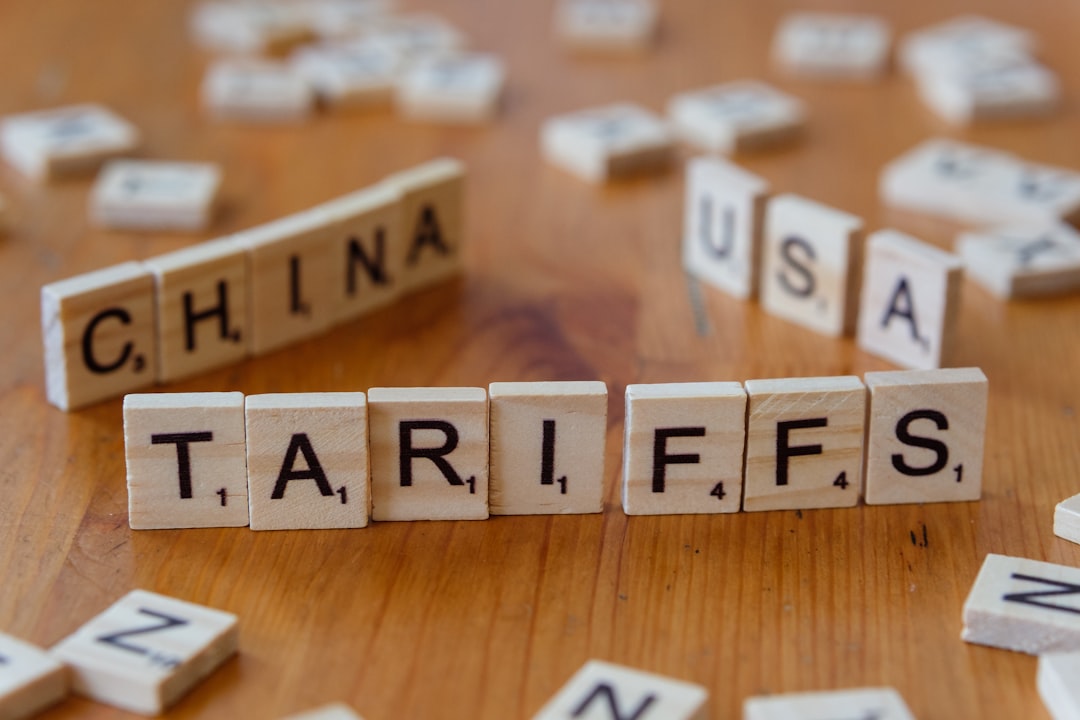
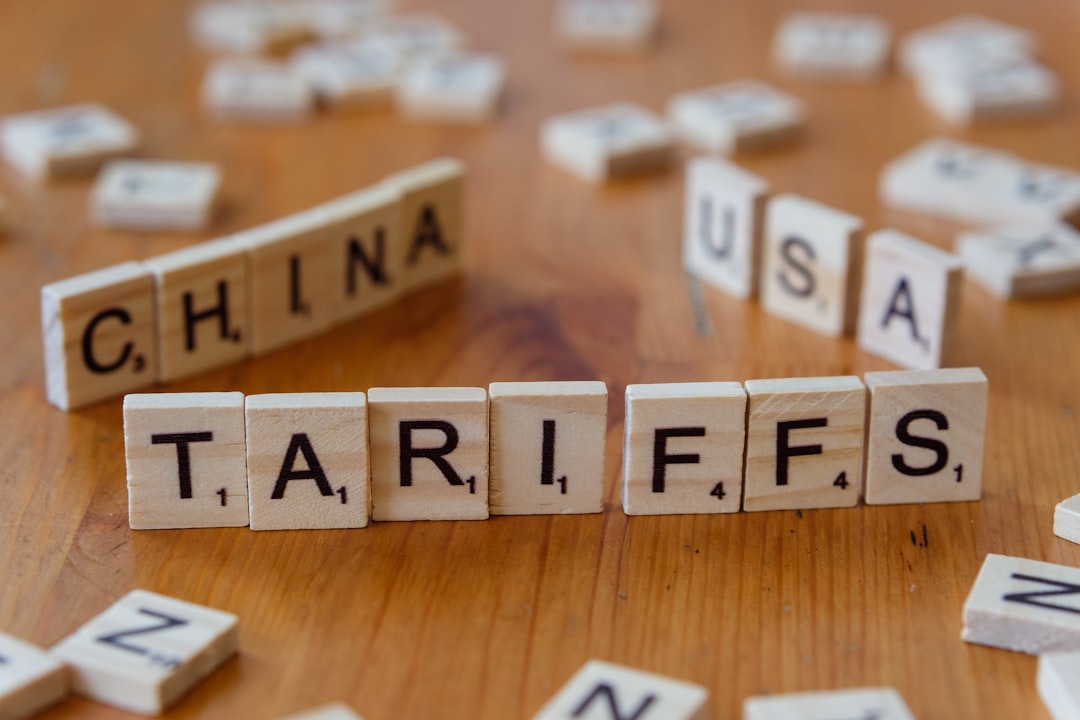
The recent Supreme Court ruling has transformed the landscape for businesses engaged in tariff disputes, creating significant opportunities for legal and financial professionals. With an estimated $175 billion in potential refunds at stake, law firms, hedge funds, and AI companies stand to gain immensely from this legal shift. As companies rush to secure their share of refunds, the demand for skilled professionals in these sectors is skyrocketing.
The Supreme Court’s ruling on February 20, 2026, deemed the tariffs imposed by the Trump administration as illegal, prompting businesses to seek refunds for the tariffs paid. This ruling has unleashed a wave of lawsuits, with major companies like FedEx, L’Oreal, and Dyson already filing claims. According to The Guardian, the legal landscape is witnessing unprecedented activity, as businesses scramble to hire trade lawyers to navigate the complexities of the refund process.
Legal Surge Amid Tariff Refunds
As businesses seek legal recourse, law firms specializing in trade and tariff disputes are experiencing a surge in demand. Joseph Spraragen, a New York-based attorney, noted that his firm has been inundated with requests for legal assistance since the ruling. The complexities of the tariff regulations have forced many companies to hire lawyers to avoid potential customs fraud, leading to a significant increase in compliance costs for businesses.
Jennifer Hillman, a law professor at Georgetown University, highlighted that the legal fees associated with these tariff refund claims could be substantial. With firms advertising flat fees ranging from $10,000 to $15,000 just to file cases, the financial implications for businesses are considerable. The potential for ongoing legal battles means that firms could see millions in fees as they navigate the refund process, further emphasizing the lucrative opportunities for legal professionals.
Moreover, hedge funds are also entering the fray, eager to capitalize on the situation. As reported, some funds are purchasing rights to businesses’ tariff refunds, offering immediate cash to companies in exchange for a portion of the refunds they expect to receive. This trend reflects a growing intersection between finance and law, as financial speculators seek to profit from the complexities of tariff disputes.
With firms advertising flat fees ranging from $10,000 to $15,000 just to file cases, the financial implications for businesses are considerable.
AI’s Role in the Tariff Landscape
 Government & Policy
Britain Sells Five-Year Debt at a 5.036% Yield
Gilt yields have risen across advanced economies, while dealers put the rise in Britain’s gross financing requirement for 2027/28 at £27 billion.
Read More →Interestingly, AI companies are also positioning themselves to benefit from this legal upheaval. Some firms are offering to manage the tariff refund applications for businesses, charging a percentage of any future refunds. This shift towards automation in legal processes could streamline the refund application process, making it more accessible for businesses that might otherwise struggle to navigate the complexities involved.

As the demand for legal and financial expertise grows, professionals in these fields should consider the implications of the tariff ruling on their careers. For entry-level professionals, this could mean new job opportunities in law firms and financial institutions that are ramping up their teams to handle the influx of cases. Mid-career professionals may find that their skills in trade law or financial analysis are suddenly in high demand, while those looking to switch careers might explore roles in AI companies that are developing tools to assist with tariff disputes.
What This Means for Your Career
1. Entry-Level Opportunities: If you are just starting your career, consider seeking internships or positions in law firms that specialize in trade law. The current demand for legal assistance in tariff disputes presents an excellent opportunity to gain valuable experience.
Mid-Career Upskilling: Professionals already in the legal or financial sectors should focus on upskilling in areas related to trade law and tariff regulations.
2. Mid-Career Upskilling: Professionals already in the legal or financial sectors should focus on upskilling in areas related to trade law and tariff regulations. Online courses or certifications in international trade can enhance your marketability.
 Government & Policy
Chinese Brands Drop Mbappé After Mao Joke Backlash
Mengniu and Dongpeng condemned words that hurt Chinese sentiment, while CCTV suspended La Liga matches, according to The Paper.
Read More →3. AI and Automation Roles: For those interested in technology, exploring opportunities in AI firms that are developing solutions for tariff refund processes could be a strategic move. This sector is likely to grow as businesses seek efficient ways to manage complex applications.
While the legal and financial sectors may benefit from this ruling, it is essential to consider the broader implications for small businesses and consumers. Many smaller firms may struggle to afford legal fees, potentially leaving them at a disadvantage in the refund process. As noted by Hillman, the complexity of the tariff system has created a two-tier system, where only those with financial resources can fully capitalize on the ruling.
Future Outlook for Legal and Financial Professionals
Future Outlook for Legal and Financial Professionals
Looking ahead, the trajectory of the legal and financial sectors will be heavily influenced by the unfolding tariff refund landscape. As more businesses seek refunds, the demand for trade lawyers and financial analysts will likely continue to rise. Additionally, the integration of AI into these processes may reshape how legal services are delivered, making them more efficient and accessible.
For professionals in these fields, staying informed about changes in trade policy and regulations will be crucial. Understanding the nuances of tariff laws and the implications of ongoing legal battles will position you as a valuable asset in a rapidly evolving market.
Ultimately, the recent Supreme Court ruling represents not just a legal victory for businesses but a significant shift in career opportunities within the legal and financial sectors. As the landscape continues to change, how will you position yourself to take advantage of these emerging opportunities?
Written by Career Ahead AI. AI can make mistakes, so verify key facts. Report errors to support@careeraheadonline.com.