The demand for mental health professionals has surged in recent years, driven by increasing awareness of mental health issues globally. Nearly half of all Australians are expected to experience mental illness at some stage in their lives, highlighting the critical role of mental health nurses in providing essential support.
As more individuals seek help for mental health challenges, the pathway to becoming a mental health nurse has garnered significant interest. This profession not only offers job security but also allows practitioners to make a meaningful impact in the lives of others. Understanding the necessary steps and qualifications is essential for those considering this career.
Education and Training Pathway
The first step in becoming a mental health nurse is obtaining a recognized nursing degree, typically a Bachelor of Nursing. This program lays the foundation for understanding health sciences and patient care. After graduation, aspiring nurses must register with the relevant health authority, such as the Australian Health Practitioner Regulation Agency (AHPRA), to practice as registered nurses.
Gaining clinical experience is crucial. Many nursing programs emphasize hands-on training in various healthcare settings, including mental health units. According to VU Online, working in these environments helps nurses develop essential skills and a deeper understanding of mental health issues.
After accumulating sufficient clinical experience, the next step is to pursue specialized training in mental health nursing. Graduate programs, such as those offered by Mercy Health and Alfred Health, provide structured training that combines practical experience with advanced education. These programs often include rotations in both acute and community mental health settings, allowing nurses to gain a comprehensive view of the field.
According to VU Online, working in these environments helps nurses develop essential skills and a deeper understanding of mental health issues.
Obtaining a postgraduate qualification, such as a Master of Mental Health Nursing, is highly beneficial. This advanced degree equips nurses with evidence-based skills and knowledge, enabling them to provide high-quality care to patients. The curriculum typically covers trauma-informed care, pharmacology, and recovery-oriented practices, ensuring that graduates are well-prepared for the complexities of mental health nursing.
 Entrepreneurship & Business
Trent surges 13% to 2-year high after strong Q2 update
Trent's impressive growth reflects broader trends in consumer spending and retail expansion in India, marking a significant milestone for the company.
Read More →Role and Responsibilities of Mental Health Nurses
Mental health nurses play a vital role in the healthcare system, focusing on the psychological and emotional well-being of their patients. Their responsibilities include assessing patients’ mental health, delivering treatment and counseling, and collaborating with multidisciplinary teams to create tailored care plans. This holistic approach is essential for addressing the unique needs of individuals facing mental health challenges.
In addition to direct patient care, mental health nurses educate patients and their families about mental health issues and available resources. They work in various settings, including hospitals, community health centers, and private practices, providing support to diverse populations. According to American Nurse Today, mental health nursing offers various career pathways, from clinical roles to leadership positions in healthcare organizations.
As the demand for mental health services continues to grow, job security in this field remains strong. The median annual salary for mental health nurses in Australia is approximately AUD 100,000 to AUD 110,000, with experienced professionals earning over AUD 130,000. This financial stability, combined with the opportunity to make a positive impact in the community, makes mental health nursing an attractive career choice.
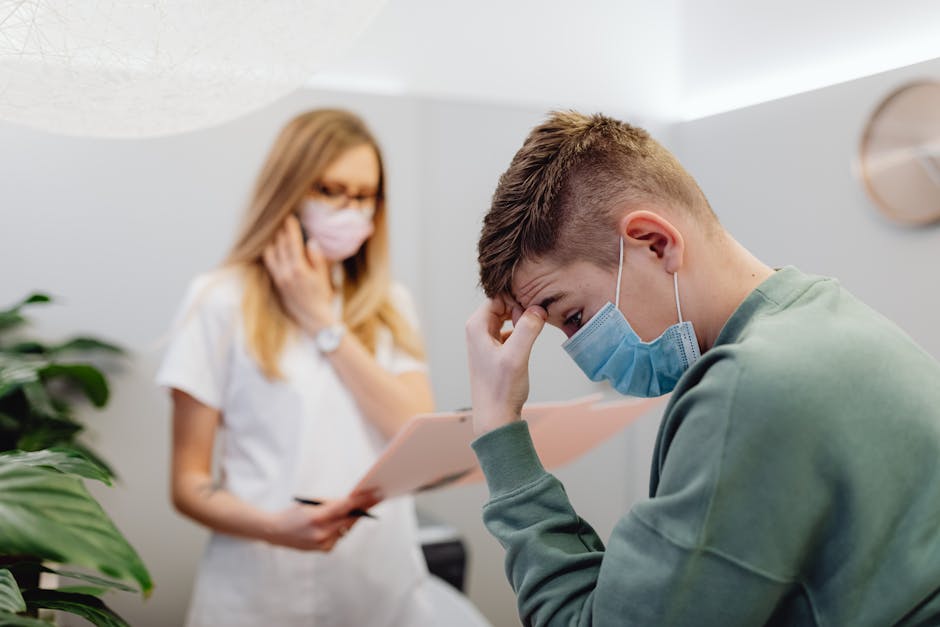
The importance of self-care and ongoing professional development cannot be overstated, as these factors contribute to long-term success in the field.
However, the profession is not without challenges. Mental health nurses often face high-stress situations and must develop resilience and coping strategies to manage the emotional toll of their work. The importance of self-care and ongoing professional development cannot be overstated, as these factors contribute to long-term success in the field.
Emerging Trends in Mental Health Nursing
The future of mental health nursing is promising, driven by increasing recognition of the importance of mental health care. Governments and organizations are investing in mental health initiatives, aiming to expand access to services and reduce stigma. For instance, the Australian Institute of Health and Welfare (AIHW) reports that federal funding for mental health services is increasing, addressing workforce shortages and supporting the growth of the profession.
 Entrepreneurship & Business
Adani’s ₹2.6 Lakh Crore Projects Boost Maharashtra Jobs
Adani Group's ₹2.6 lakh crore investment in Maharashtra is set to create thousands of jobs across various sectors, including civil engineering, renewable energy, and aviation,…
Read More →As mental health awareness continues to rise, the scope of practice for mental health nurses is likely to expand. Innovations in telehealth and digital mental health services are transforming how care is delivered, allowing nurses to reach patients in remote areas and provide support through virtual platforms. This trend presents new opportunities for mental health nurses to engage with clients in diverse settings.

Despite these advancements, challenges remain. The mental health workforce faces ongoing issues related to burnout and high turnover rates. Addressing these concerns will require a concerted effort from healthcare organizations to foster supportive work environments and promote mental well-being among staff.
Career Opportunities and Considerations
For those considering a career in mental health nursing, the outlook is bright. As the need for skilled professionals grows, individuals entering this field can expect to find rewarding opportunities that allow them to contribute positively to society. The combination of job security, competitive salaries, and the chance to make a difference makes mental health nursing an appealing career path.
As the need for skilled professionals grows, individuals entering this field can expect to find rewarding opportunities that allow them to contribute positively to society.
In summary, becoming a mental health nurse involves a commitment to education, training, and personal growth. With the increasing demand for mental health services, this profession offers a unique opportunity to impact individuals’ lives while enjoying a fulfilling career. As mental health continues to gain prominence in society, mental health nurses will play a crucial role in shaping the future of healthcare.
Sources:VU Online, Nursing World, American Nurse Today.
 Entrepreneurship & Business
Storm Boelo Brings Wind, Rain and Travel Disruption to UK
Power outages, airport cancellations, ferry crossings and flooded roads added to the storm's effects across the UK.
Read More →Written by Career Ahead AI. AI can make mistakes, so verify key facts. Report errors to support@careeraheadonline.com.