No products in the cart.

How Tsu-Jae King Liu Addresses AI’s Energy Challenges

Tsu-Jae King Liu discusses the critical energy needs of AI technologies, urging semiconductor engineers to prioritize energy efficiency in chip design. This shift is essential to meet future demands and ensure sustainable growth in the semiconductor industry.

Chip engineer Tsu-Jae King Liu recently discussed the rising energy demands of artificial intelligence (AI) technologies. She highlighted Nvidia’s role in semiconductor design. Liu stressed the need for energy-efficient chip designs to meet the growing power requirements of AI applications. This topic is very relevant as the semiconductor industry prepares to support the expanding AI ecosystem.
The discussion occurred on August 21, 2026. Liu is a key figure in the semiconductor industry. She is the President of the National Academy of Engineering and a former Dean at UC Berkeley’s College of Engineering. Her insights show how semiconductor engineers must adapt their designs to improve both performance and energy efficiency.
AI’s Impact on Semiconductor Energy Requirements
AI technologies are changing the semiconductor landscape. Applications like machine learning and deep learning are becoming more common. This increases the demand for chips that can perform complex computations while using less power. Career Ahead’s analysis shows that energy consumption in data centers, which heavily rely on AI, is expected to rise significantly in the coming years. This growth is prompting chip engineers to rethink their design priorities.
Liu noted that the traditional approach to chip design often prioritizes performance over energy efficiency. This approach may no longer work. Engineers need to create chips that deliver high performance without consuming too much energy. This shift is crucial as companies like Nvidia develop processors for AI workloads while aiming for sustainability.
According to Indeed.com, the job market for chip engineers is booming. There are over 37,000 positions available. This growth shows the increasing importance of energy-efficient designs in the semiconductor sector. As companies expand their teams to tackle these challenges, engineers skilled in energy-efficient chip design will be in high demand.
The need for energy-efficient designs is backed by data from Semionics. It outlines the vital role that chip design engineers will play in shaping future technology. Engineers must have strong technical skills and a solid understanding of energy management in their designs. This dual focus will define successful professionals in the semiconductor industry.
Engineers must have strong technical skills and a solid understanding of energy management in their designs.
The Role of Tsu-Jae King Liu in Shaping Industry Standards
You may also like
 AI & Technology
OpenAI drops another batch of mathematical breakthroughs
OpenAI has released 722 manuscripts detailing significant mathematical breakthroughs that could transform AI and data science. These findings are expected to enhance machine learning efficiency…
Read More →Tsu-Jae King Liu’s influence goes beyond her technical skills. She advocates for setting industry standards that prioritize energy efficiency. By engaging with leading companies like Nvidia, she helps shape the future of semiconductor design. Her leadership is crucial in promoting the idea that energy efficiency is essential for the industry’s sustainability.
Liu’s experience on Intel’s board adds depth to her insights. She understands the competitive landscape and the need for continuous innovation. As AI capabilities grow, the semiconductor industry must adapt to meet these energy demands. Liu’s push for energy-efficient practices guides engineers and companies toward sustainable solutions.
Additionally, Liu’s role at the National Academy of Engineering allows her to influence policy discussions on technology and energy consumption. She encourages the next generation of engineers to consider the environmental impact of their designs. This focus on sustainability is increasingly important as society faces climate change and the need for greener technologies.
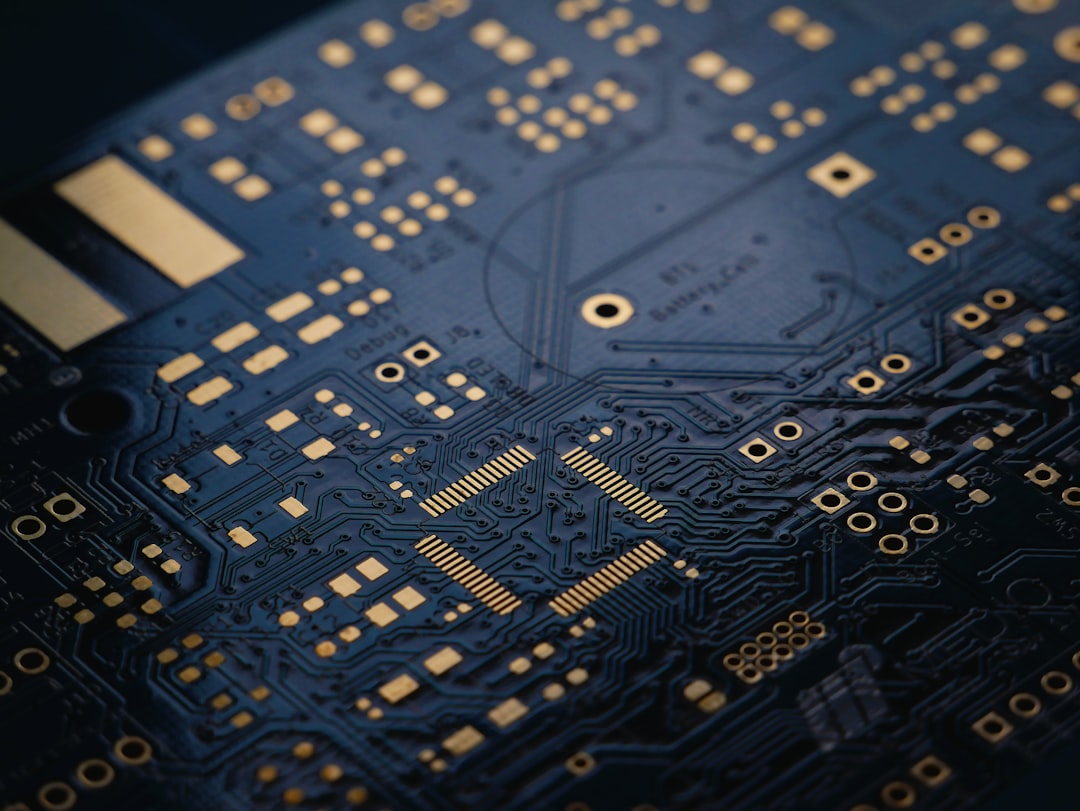
As the semiconductor industry confronts these challenges, Liu’s voice reminds engineers of their responsibility to create a sustainable future. Integrating energy-efficient practices into chip design is vital for both companies and the planet.
Career Ahead research indicates that engineers must adopt new methods that include energy-saving technologies from the start of the design process.
Future Trends in Chip Design for Energy Efficiency
The future of chip design will likely focus more on energy efficiency as a core requirement. Career Ahead research indicates that engineers must adopt new methods that include energy-saving technologies from the start of the design process. This proactive approach is essential for meeting the growing demands of AI applications.
Emerging technologies like advanced materials and innovative cooling solutions will significantly enhance energy efficiency. For example, new semiconductor materials can reduce energy losses during operation, leading to more efficient chips. Engineers familiar with these advancements will have a competitive edge in the job market.
You may also like
 AI & Technology
Protesters Target AI Firms with Direct Action | Career Outlook
Activists are increasingly taking direct action against AI firms, driven by concerns over safety and ethics. The movement, led by groups like PauseAI, is gaining…
Read More →Moreover, educational institutions are adapting their curricula to prepare future engineers for these challenges. Programs emphasizing energy management and sustainable design practices are becoming more common. As Semionics highlights, aspiring chip design engineers must develop both technical skills and a strong understanding of energy efficiency to succeed in this evolving field.

Looking ahead, the semiconductor industry is set for significant transformation. The integration of AI into everyday applications will require chips that are powerful and energy-conscious. As companies like Nvidia lead the way in developing these technologies, the role of chip design engineers will be more critical than ever.
As discussions about energy efficiency grow, it remains to be seen how quickly the industry will adapt. Will semiconductor engineers rise to the challenge of designing energy-efficient chips that meet the demands of a rapidly evolving AI landscape?
Career Ahead’s analysis reveals that the latest trends include advanced materials and innovative cooling solutions.
Frequently Asked Questions
What are the latest trends in energy-efficient chip design?
Career Ahead’s analysis reveals that the latest trends include advanced materials and innovative cooling solutions. These technologies aim to reduce energy losses and improve overall chip performance.
How can semiconductor leaders adapt to AI energy needs?
Leaders in the semiconductor industry can adapt by prioritizing energy efficiency in their design processes. This includes investing in research and development to explore new materials and technologies that can meet the growing energy demands of AI applications.

What should chip design engineers focus on to improve energy efficiency?
Chip design engineers should integrate energy management practices into their designs from the beginning. Understanding the environmental impact of their work and staying updated on emerging technologies will be crucial for their success.
You may also like
 AI & Technology
Wayve CEO Predicts Autonomous Driving Revolution
Wayve's CEO Alex Kendall discusses advancements in autonomous driving technology, the need for updated regulations, and the evolving skill sets required for engineers in the…
Read More →