No products in the cart.

How Twitch Streamers Can Protect Their Content
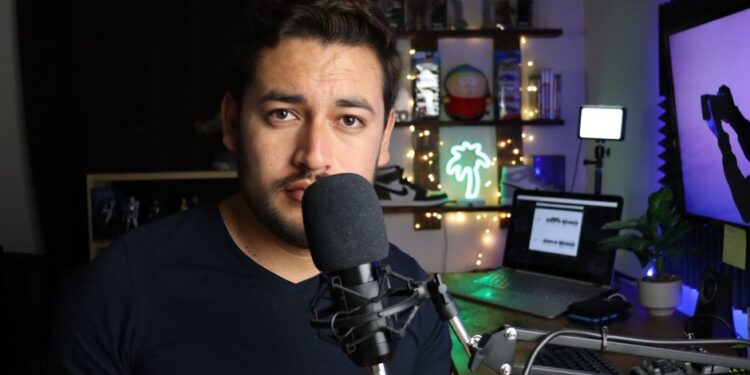
Twitch streamers can now block Amazon from using their content for AI training, empowering creators to protect their intellectual property. This change reflects a growing trend in content ownership rights and highlights the importance of understanding user agreements on digital platforms.

Streaming platform Twitch has announced that users can block Amazon from using their content for AI training. This update lets streamers opt out of a default setting that allows Amazon to use streams, clips, images, chats, and other channel content. The announcement on August 12, 2026, has sparked discussion in the streaming community about content ownership and creator rights.
Twitch has grown popular, especially among gamers and young audiences. The platform has faced scrutiny over how it handles user-generated content. Many creators were outraged to learn that their content was used for AI training without their consent. Twitch’s chief product officer, Mike Minton, acknowledged that if the opt-out option were set to opt-in by default, few users would allow their content to be used.
Understanding the Opt-Out Process
To opt out of Amazon’s use of their content, Twitch users must go to their channel settings. During a recent stream, Twitch’s head of community, Mary Kish, showed how to disable generative AI training. Users can easily find this option to ensure their content is not included in Amazon’s AI training datasets. This feature is crucial for streamers who want to maintain control over their work.
This move aligns with a growing trend in digital content ownership rights. More platforms face pressure to give creators control over their intellectual property. According to Kotaku, Twitch’s decision reflects backlash from users who feel their creativity should not be exploited without consent. Many creators are now aware of the implications of AI and data usage in the digital space.
Twitch’s decision to allow users to opt out is significant. It sets a precedent for other platforms that use user-generated content. As demand for AI training data rises, platforms must consider how they handle content ownership. By implementing an opt-out feature, Twitch shows a commitment to respecting user preferences, which may influence other companies.
However, there are concerns about how Twitch and Amazon will handle data already collected. Minton admitted he could not confirm if users’ data had been scraped for training before. This uncertainty raises questions about the ethics of data usage and how companies can inform users about their content’s potential applications.
By opting out, streamers can protect their original work from being used in AI models that might replicate their style without proper attribution.
The Implications for Content Monetization Strategies
The ability to block Amazon from using their content for AI training could impact Twitch streamers’ monetization strategies. Many creators rely on their unique content to build their brands and earn income through subscriptions, donations, and sponsorships. By opting out, streamers can protect their original work from being used in AI models that might replicate their style without proper attribution.
Career Ahead’s analysis suggests this change may shift how streamers create content. As awareness of AI grows, creators might focus on developing unique, original content that sets them apart. This could lead to a more diverse range of content on the platform as streamers seek to differentiate themselves from AI-generated material.
Moreover, this change could encourage more creators to discuss the ethical implications of AI and content usage with their audiences. As Twitch streamers learn about their rights, they may advocate for better protections and transparency from platforms. This could lead to a more empowered creator community that actively shapes policies affecting their work.
Despite the positive aspects of this opt-out feature, there are potential downsides. Some streamers may feel pressured to remain opted in due to fear of missing out on opportunities from being part of Amazon’s AI training dataset. This could create a dilemma for creators torn between protecting their work and participating in a rapidly evolving digital landscape.
In the broader context of content ownership rights, Twitch’s decision reflects a growing recognition of intellectual property in the digital age. As more platforms face scrutiny, we will likely see a push for stronger protections for creators and their work.
This could create a dilemma for creators torn between protecting their work and participating in a rapidly evolving digital landscape.
Looking Ahead: The Future of Content Ownership
The recent changes at Twitch signal a shift in how digital platforms address user concerns about content ownership. As AI technologies advance, the conversation around content rights will likely grow. Streamers and content creators must stay informed about their rights in this evolving landscape.
The implications of Twitch’s decision could extend beyond the platform. It may influence policies at other major tech companies. As creators demand more control over their content, platforms may need to adapt to these expectations to keep their users. This shift could lead to a more equitable relationship between platforms and creators, fostering an environment where intellectual property is respected.
Looking ahead, it is essential for creators to understand user agreements and the implications of AI training on their content. With rapid technological change, staying informed will be crucial for streamers who want to protect their creative outputs.
As content creation and AI evolve, one question remains: how will platforms adapt to the demands for transparency and control from their users? The future of content ownership may depend on the answers to this question as creators and platforms navigate the complexities of a digital world influenced by artificial intelligence.
The future of content ownership may depend on the answers to this question as creators and platforms navigate the complexities of a digital world influenced by artificial intelligence.
Frequently Asked Questions
How do I opt out of Amazon using my Twitch content?
To opt out of Amazon using your content for AI training, go to your channel settings on Twitch. There, you will find the option to disable generative AI training, ensuring your content is not used without your consent.
What are the implications of blocking Amazon from my content?
Blocking Amazon from using your content can protect your intellectual property and prevent your unique style from being replicated by AI models. This may also influence your monetization strategy as you focus on creating original content.

What should Twitch streamers know about content ownership and AI?
Twitch streamers should know their rights regarding content ownership and the implications of AI training. Understanding user agreements and the opt-out process is essential for protecting their creative outputs in a changing digital landscape.
Related Articles
Written by Career Ahead AI. AI can make mistakes, so verify key facts. Report errors to support@careeraheadonline.com.