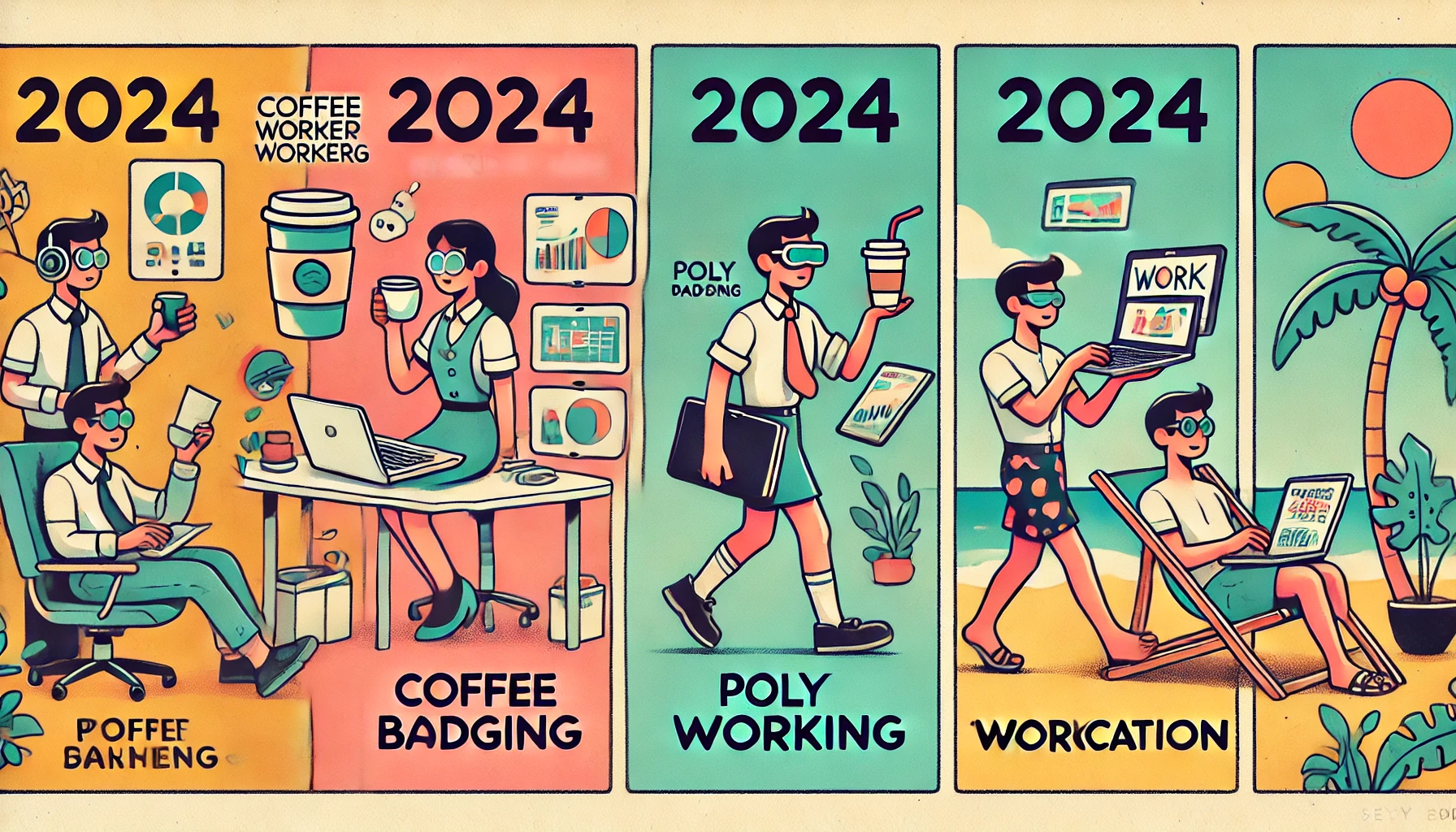
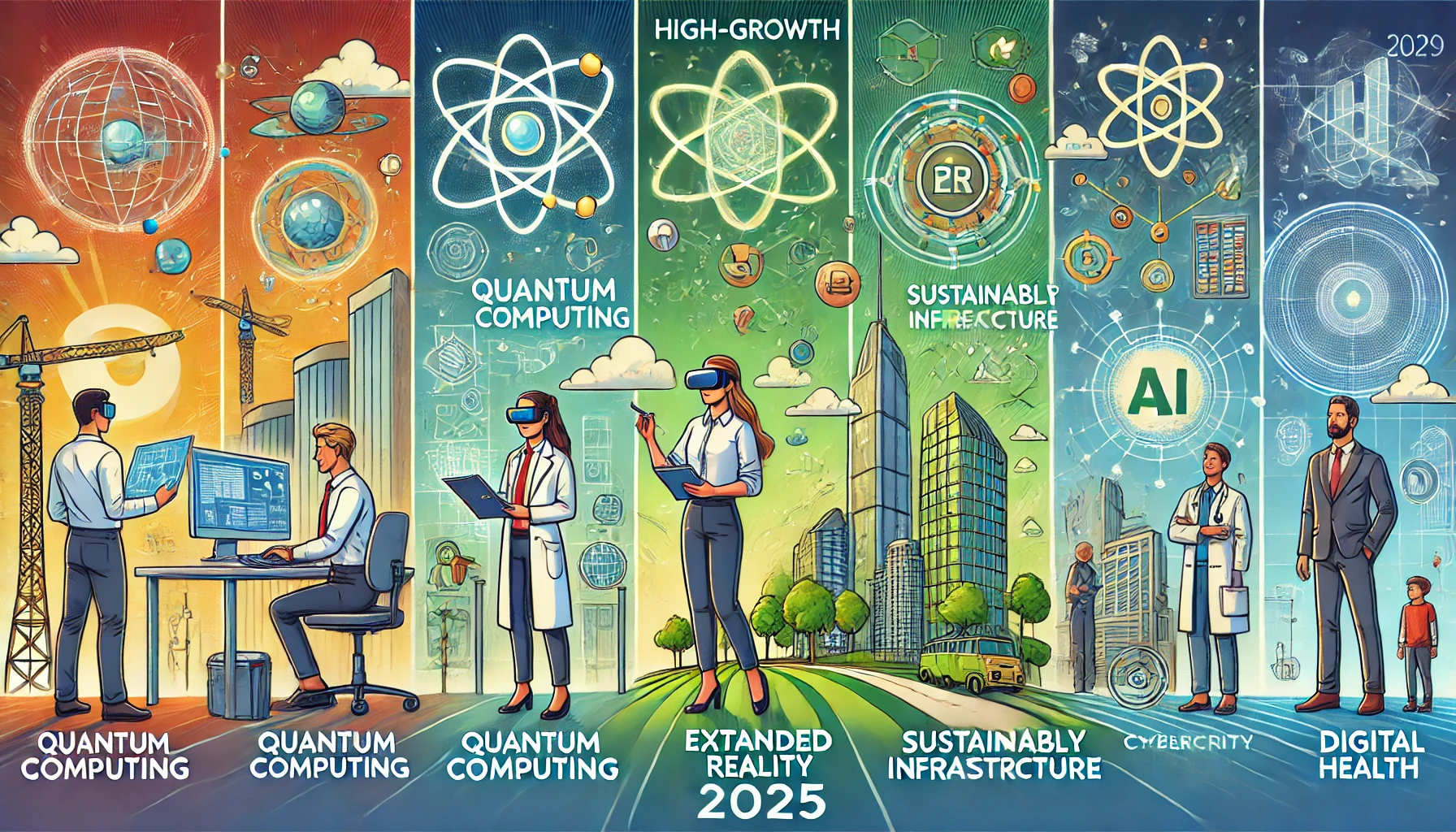
AI‑augmented workflows are boosting employee engagement and reshaping the definition of expertise. A recent APA monitor finds regular AI use elevates key cognitive abilities, while industry surveys show a measurable share of firms deploying collaborative agents.
The acceleration of generative AI tools coincides with a systemic re‑weighting of how knowledge work is organized, measured, and rewarded. As firms embed algorithmic partners into routine analysis, design, and decision cycles, the traditional boundaries between human skill and machine output dissolve, prompting a reassessment of career capital and institutional power. This article dissects the structural mechanics of that shift, the emerging levers of influence, and the implications for economic mobility in the coming years.
Structural shift toward hybrid cognition
Hybrid cognition—where human judgment intertwines with algorithmic processing—now underpins the core of knowledge work. The APA monitor documents that workers who regularly engage AI report heightened analytical reasoning and problem‑solving speed, signaling a measurable upgrade in cognitive bandwidth. This upgrade is not a peripheral perk; it reflects a reconfiguration of the skill matrix that employers use to allocate responsibilities and compensation. Frontiers research shows that task complexity in human‑AI pairings directly amplifies work engagement, indicating that collaboration intensity reshapes motivational dynamics. Consequently, firms are redesigning job architectures to embed AI as a co‑author rather than a tool, altering reporting lines and performance metrics. The shift also pressures educational pipelines to produce graduates fluent in prompt engineering and model interpretability, redefining the credentialing landscape at a systemic level.
Complementary intelligence and AI literacy
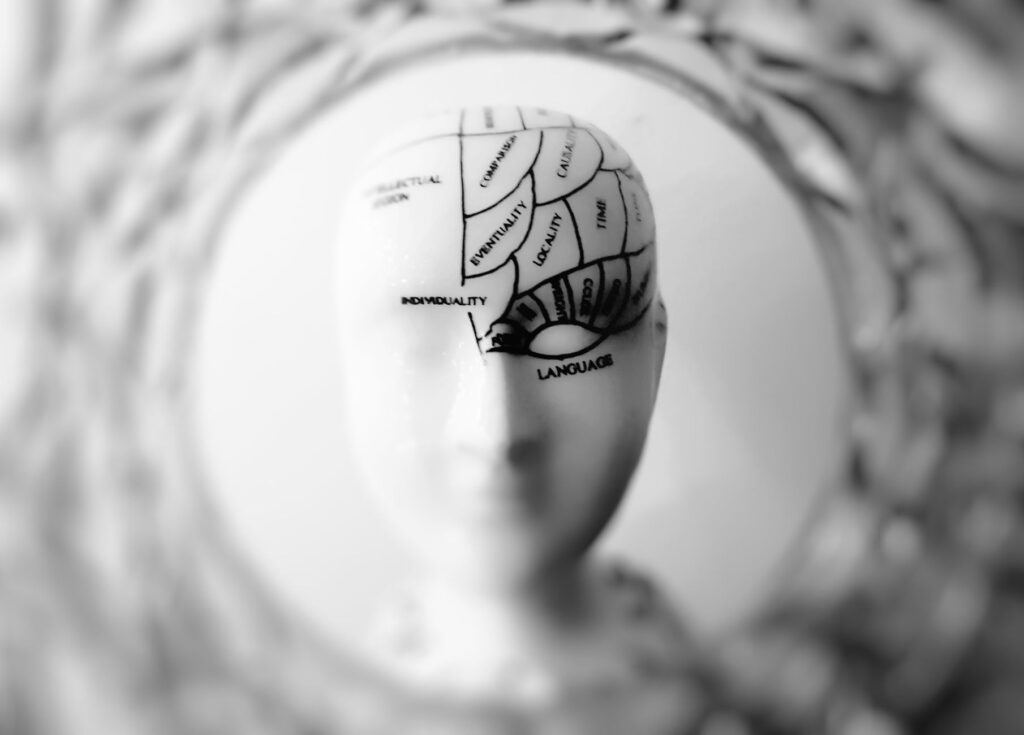
Effective collaboration rests on a clear division of labor: humans supply creativity, empathy, and strategic foresight, while AI delivers rapid pattern detection, data synthesis, and repetitive execution. This complementarity creates a feedback loop where AI‑generated insights trigger human‑driven hypothesis formation, which in turn refines subsequent algorithmic output. However, the loop stalls without sufficient AI literacy; employees must grasp model limitations, bias vectors, and prompt framing to avoid over‑reliance. Training programs that embed AI fundamentals alongside domain expertise are emerging as a new institutional standard, echoing the humble‑leadership frameworks identified in recent organizational psychology studies. Moreover, firms that institutionalize AI literacy report a measurable reduction in decision latency, translating into higher throughput for knowledge‑intensive projects. The convergence of complementary skill sets and formalized AI education thus constitutes the engine driving hybrid cognitive productivity.
AI‑enhanced engagement does not correlate with task complexity.
Training programs that embed AI fundamentals alongside domain expertise are emerging as a new institutional standard, echoing the humble‑leadership frameworks identified in recent organizational psychology studies.
Rebalancing institutional power and skill hierarchies
The diffusion of AI agents reshapes power dynamics within organizations by flattening traditional hierarchies tied to information asymmetry. Where senior analysts once monopolized data processing, AI democratizes access to analytical outputs, enabling lower‑tier staff to contribute strategic recommendations. This redistribution erodes legacy gatekeeping roles and creates new loci of influence for those who master AI orchestration. McKinsey analysis indicates that firms integrating AI‑human teams experience a measurable shift in promotion pathways, favoring hybrid skill profiles over pure subject‑matter expertise. The resulting rebalancing also alters bargaining power in labor markets: workers who can demonstrate AI‑augmented productivity command higher wages, while those lacking AI fluency face stagnating earnings.
Career capital redistribution across the workforce
The redefinition of expertise triggers a wholesale reallocation of career capital, with hybrid competencies becoming the primary currency of advancement. According to Career Ahead’s analysis of recent skill‑mapping data, the rise of AI‑augmented roles is accelerating the conversion of traditional expertise into hybrid cognitive capital. Employees who blend domain knowledge with AI operational fluency are increasingly eligible for high‑visibility projects, fast‑track promotions, and cross‑functional mobility. Conversely, occupations anchored in routine cognition see a measurable contraction in demand, prompting a structural shift toward reskilling initiatives funded by both private firms and public workforce agencies. This dynamic amplifies economic mobility for adaptable workers while intensifying displacement risk for those anchored in static skill sets, reinforcing the need for systemic policy responses that align education, training, and social safety nets with the evolving talent architecture.
Projected trajectory of human‑AI collaboration
Over the next three to five years, the proportion of knowledge‑intensive tasks performed jointly by humans and AI is expected to climb steadily, driven by continued model improvements and enterprise integration platforms. Industry forecasts suggest that a measurable share of Fortune 500 firms will embed AI collaborators in at least half of their project pipelines, institutionalizing hybrid teams as the norm rather than the exception. This trajectory will likely deepen the stratification of career capital, as organizations develop tiered talent tracks: “AI‑augmented specialists” who lead algorithmic workflows, and “traditional experts” whose roles become increasingly advisory. The emerging equilibrium will compel educational institutions to embed AI fluency across curricula, while regulatory bodies may introduce standards for AI transparency to safeguard decision integrity. Anticipating these developments, forward‑looking firms are already piloting continuous learning ecosystems that align AI tool updates with employee skill refresh cycles, positioning themselves to capture the productivity premium of sustained human‑AI synergy.
The evolving partnership between humans and AI will reshape the architecture of knowledge work, demanding new forms of career capital and institutional adaptation to sustain inclusive economic mobility.
Key Structural Insights
The evolving partnership between humans and AI will reshape the architecture of knowledge work, demanding new forms of career capital and institutional adaptation to sustain inclusive economic mobility.
Insight 1: Hybrid cognition upgrades employee analytical capacity, turning AI from a tool into a co‑author of decision processes.
Insight 2: AI literacy emerges as a prerequisite for career advancement, redefining the skill hierarchy within organizations.
Insight 3: The redistribution of career capital favors hybrid skill sets, amplifying mobility for adaptable workers while pressuring static roles.
Augmenting Human Potential: By integrating AI into knowledge work, professionals can tap into enhanced cognitive abilities, such as pattern recognition, data analysis, and decision-making, ultimately leading to improved productivity and job satisfaction.
Insight 3: The redistribution of career capital favors hybrid skill sets, amplifying mobility for adaptable workers while pressuring static roles.
Cognitive Synergy: The fusion of human intuition and AI-driven insights creates a powerful cognitive synergy, enabling professionals to tackle complex problems, identify novel solutions, and drive innovation in their respective fields.
RESEARCH SOURCES:
Written by Career Ahead AI. AI can make mistakes, so verify key facts. Report errors to support@careeraheadonline.com.