


Gecko’s CEO recently stressed the need for human oversight in developing and using physical AI technologies. This statement comes as concerns grow about the ethics and regulations surrounding AI systems. As AI spreads across industries, the demand for human control has become more urgent.
The conversation about human oversight in AI is gaining momentum. Companies like Gecko are advocating for a responsible approach to technology deployment. Physical AI systems, such as robotics and automated machinery, require careful examination of how they interact with human operators. The CEO’s comments mark a crucial moment in AI’s evolution, where ethical considerations are essential.
The Case for Human Control in AI Systems
Human oversight in AI is not just a precaution; it is essential for safe interactions between machines and humans. Recent research from the National Institutes of Health shows that humans often do not minimize muscle effort when controlling physical interactions. This suggests our intuitive understanding of control differs from that of machines. Thus, human operators must make nuanced decisions in real-time, especially in unpredictable environments.
Additionally, a study from Penn State University explores how humans control their bodies and interact with their surroundings. This research shows that our physical interactions are complex and rely on instinctual responses that machines cannot replicate. Therefore, having humans in control of AI systems is vital to reduce risks linked to automated decision-making, especially in high-stakes situations. The Penn State study highlights that human motor control and perception create a gap that AI systems cannot currently bridge.
Gecko’s CEO warns that without proper human oversight, deploying physical AI could lead to unintended consequences. For example, an autonomous robotic system without human intervention might misinterpret a situation, causing accidents or errors. This underscores the need for strong regulatory frameworks that require human involvement in AI operations. Such measures ensure machines act as tools, not decision-makers. The potential for disastrous outcomes in areas like healthcare or transportation highlights the urgency of this oversight.
As AI technologies evolve, their ethical implications become more significant. The risk of bias in AI algorithms and the effects of automation on jobs require a reevaluation of how these systems are designed and used. By advocating for human oversight, Gecko’s leadership addresses immediate safety concerns and promotes a fair future for workers impacted by AI advancements. The ethical issues surrounding AI have real-world consequences that can affect livelihoods and societal structures.
By advocating for human oversight, Gecko’s leadership addresses immediate safety concerns and promotes a fair future for workers impacted by AI advancements.
Career Ahead’s analysis shows that this focus on human control aligns with a broader trend in the tech industry. Ethical considerations increasingly influence design and deployment strategies. Companies facing pressure from regulators and the public to prioritize ethical AI will likely gain a competitive edge. A growing body of literature suggests consumers trust products and services that demonstrate a commitment to ethical practices.
Regulatory Frameworks and Ethical Considerations
The push for human oversight in AI systems is shaping regulatory frameworks globally. Governments and regulatory bodies are starting to recognize the need for guidelines that ensure AI technologies prioritize human safety and ethical standards. This shift is evident as various jurisdictions, including the European Union and the United States, draft legislation to regulate AI deployment, especially in high-risk areas like healthcare, transportation, and manufacturing.
For example, the European Union has proposed regulations requiring transparency and accountability in AI systems, mandating human oversight in their design. Such regulations are crucial for preventing misuse and ensuring AI technologies operate within ethical limits. The implications for robotics engineers and technology developers are significant, as compliance will require changes in their work approach. The evolving landscape of AI regulation presents both challenges and opportunities for innovation in compliance and ethical design.
Ethics consultants in technology must adapt to these changing standards. They should guide companies in effectively implementing human oversight mechanisms. This includes developing frameworks to assess the ethical implications of AI technologies and ensuring human operators receive proper training. By doing so, organizations can reduce risks associated with AI deployment while building public trust in their technologies. Experts emphasize that integrating ethical considerations into AI design is not just a regulatory requirement; it is a key part of responsible innovation.
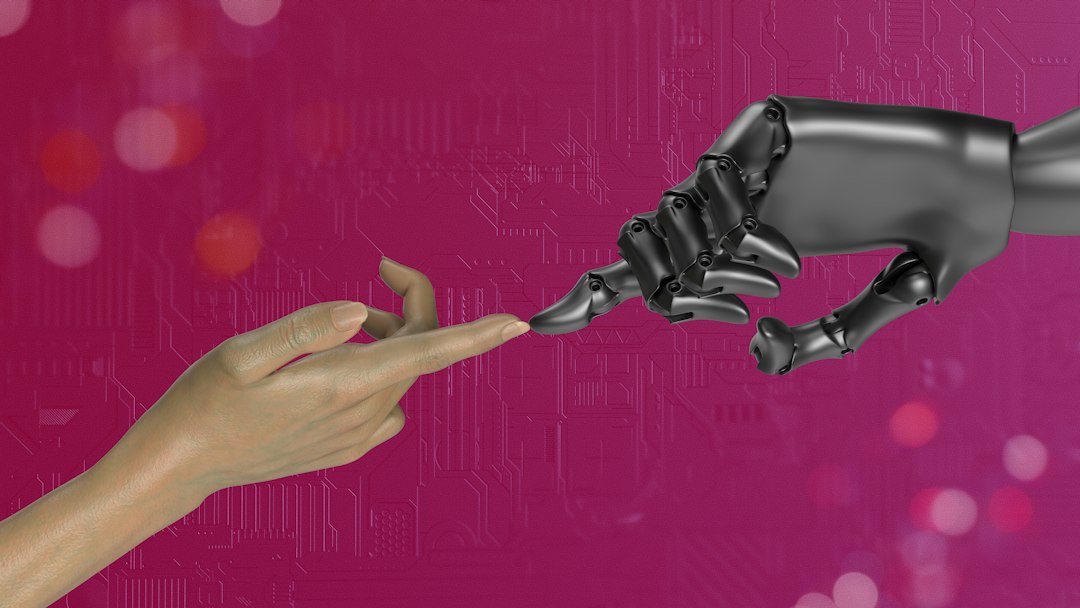
The future of AI will be shaped by those who understand that ethical practices are not just beneficial but essential for lasting success.
As the regulatory landscape evolves, companies that proactively include human oversight in their AI systems will be better equipped to handle compliance challenges. This approach enhances safety and aligns with the growing demand for ethical practices in technology development. Incorporating human oversight in AI systems is not just a regulatory obligation; it is a moral necessity that reflects society’s values. As AI technologies become more integrated into our daily lives, the need for ethical considerations in their design and deployment will only grow.
Career Ahead research indicates that companies prioritizing ethical AI practices are likely to see improved public perception and trust, leading to greater market success. This trend highlights the importance of aligning business strategies with ethical considerations for long-term sustainability. The future of AI will be shaped by those who understand that ethical practices are not just beneficial but essential for lasting success.
The future of AI and robotics depends on successfully integrating human oversight into their operations. As technologies advance, the complexity of human-machine interactions will increase, requiring a deeper understanding of how these systems work. This evolution presents both challenges and opportunities for CEOs of AI startups and robotics engineers.
As AI systems become more autonomous, the risk of errors or malfunctions rises. Ensuring that human operators can intervene effectively will be crucial for maintaining safety and operational efficiency. This will require ongoing training and development for those working with AI technologies, emphasizing the importance of human expertise in managing these systems. Additionally, as regulatory frameworks tighten, companies may need to invest in developing systems that support human oversight. This could involve creating user-friendly interfaces that allow operators to monitor and control AI systems easily. By prioritizing human involvement, companies can enhance the reliability of their technologies while addressing regulatory concerns.
The implications for the workforce are significant. The demand for professionals skilled in ethics and compliance within technology will likely rise. As organizations seek to align their practices with regulatory requirements and societal expectations, those with expertise in ethical AI will be in high demand. Looking ahead, the question remains: how will companies adapt to the evolving landscape of AI regulation and public expectations? The answers will shape the future of AI technologies and their role in society.
The demand for professionals skilled in ethics and compliance within technology will likely rise.
Frequently Asked Questions
What are the best practices for ensuring human oversight in AI?
Career Ahead’s analysis suggests that best practices include developing clear protocols for human intervention, providing adequate training for operators, and implementing transparent decision-making processes within AI systems.
How can robotics engineers incorporate ethical considerations into their designs?
Robotics engineers can integrate ethical considerations by conducting thorough impact assessments, involving diverse stakeholders in the design process, and ensuring that their systems prioritize human safety and well-being.

What should ethics consultants do to address the challenges of physical AI?
Ethics consultants should focus on developing frameworks for ethical AI deployment, guiding organizations in compliance with regulatory standards, and promoting a culture of ethical awareness within technology companies.
Written by Career Ahead AI. AI can make mistakes, so verify key facts. Report errors to support@careeraheadonline.com.





