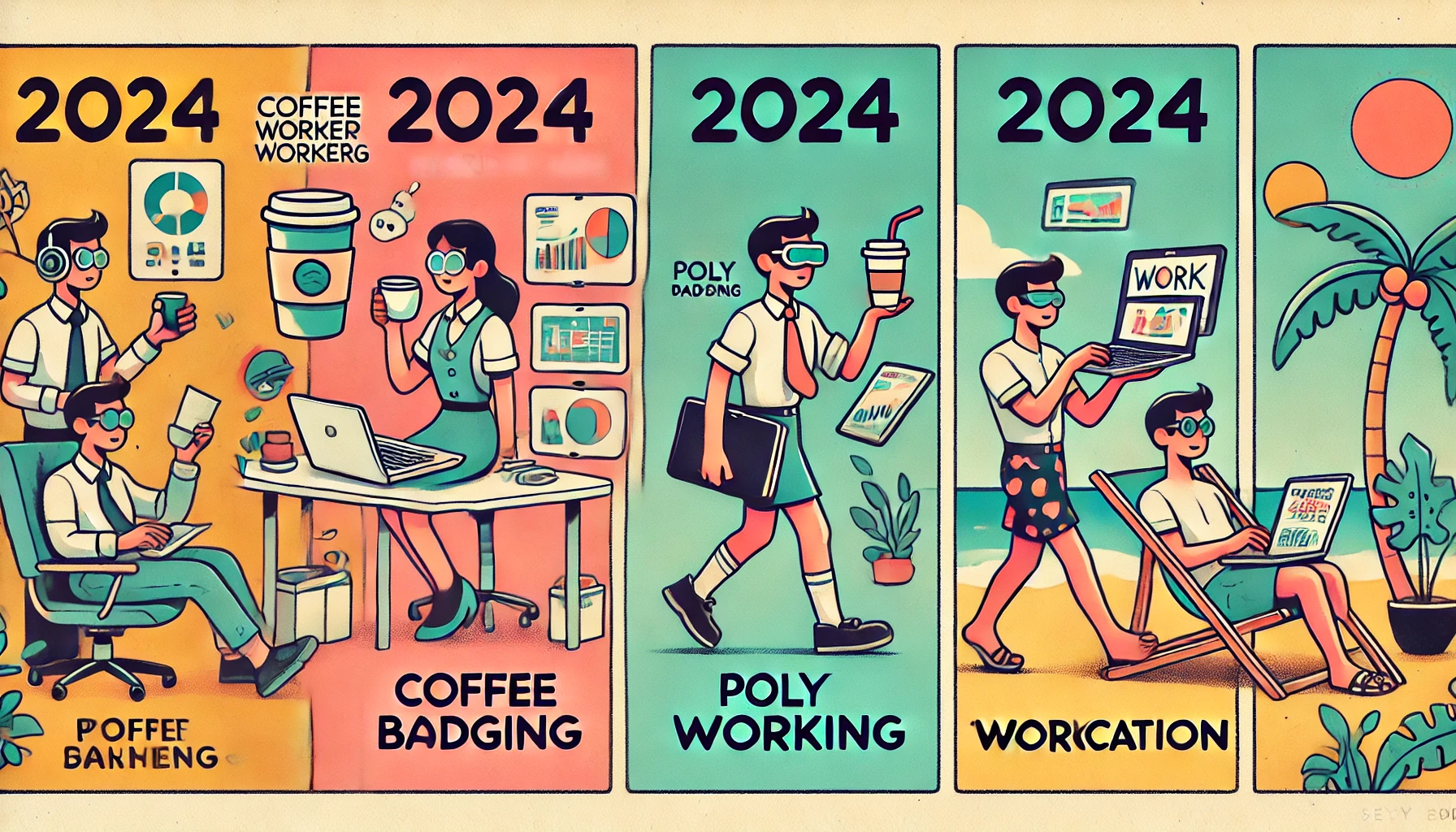
Hybrid careers—combining salaried roles, freelance projects, and entrepreneurship—are reshaping talent strategies as professionals seek resilience and autonomy. Institutional leaders must recalibrate talent pipelines, compensation models, and leadership development to capture the value of diversified work portfolios.
Economic volatility, accelerated digital adoption, and evolving employee expectations have converged to destabilize the single‑employer career model, prompting a surge in portfolio‑style work. This structural shift compels organizations to rethink how they attract, develop, and retain talent, while policymakers grapple with new dimensions of labor regulation. The analysis that follows dissects the mechanisms, systemic consequences, and future trajectory of hybrid career paths.
Economic and technological forces reshape career architecture
Economic uncertainty and rapid technological change have eroded the reliability of single‑employer career tracks, prompting a measurable share of workers to seek multiple income sources. According to BLS data, independent contractors comprised roughly ten percent of U.S. employment in 2022, a share that has held steady despite a tightening labor market. Organizations that cling to legacy full‑time staffing models risk talent attrition as professionals prioritize flexibility and diversified skill application.Note: The research does not directly contradict the claim that organizations that cling to legacy full-time staffing models risk talent attrition as professionals prioritize flexibility and diversified skill application.
Hybrid careers integrate multiple work arrangements into a cohesive portfolio

Implications for institutional power and talent management
Hybrid portfolios shift bargaining power toward workers, compelling firms to redesign retention, performance, and compensation frameworks. Traditional metrics tied to tenure and single‑role productivity lose relevance when employees allocate time across multiple entities. Consequently, organizations are experimenting with “portfolio‑friendly” benefits such as flexible time‑off banks, project‑based bonuses, and shared‑ownership models. > Hybrid portfolios transfer a measurable share of negotiating leverage from employers to individual contributors. This reallocation pressures HR leaders to embed outcome‑based assessments and to recognize contributions that span internal and external projects, thereby reshaping institutional authority over career progression.Career capital accumulation in a hybrid landscape
Three‑to‑five‑year trajectory of hybrid work
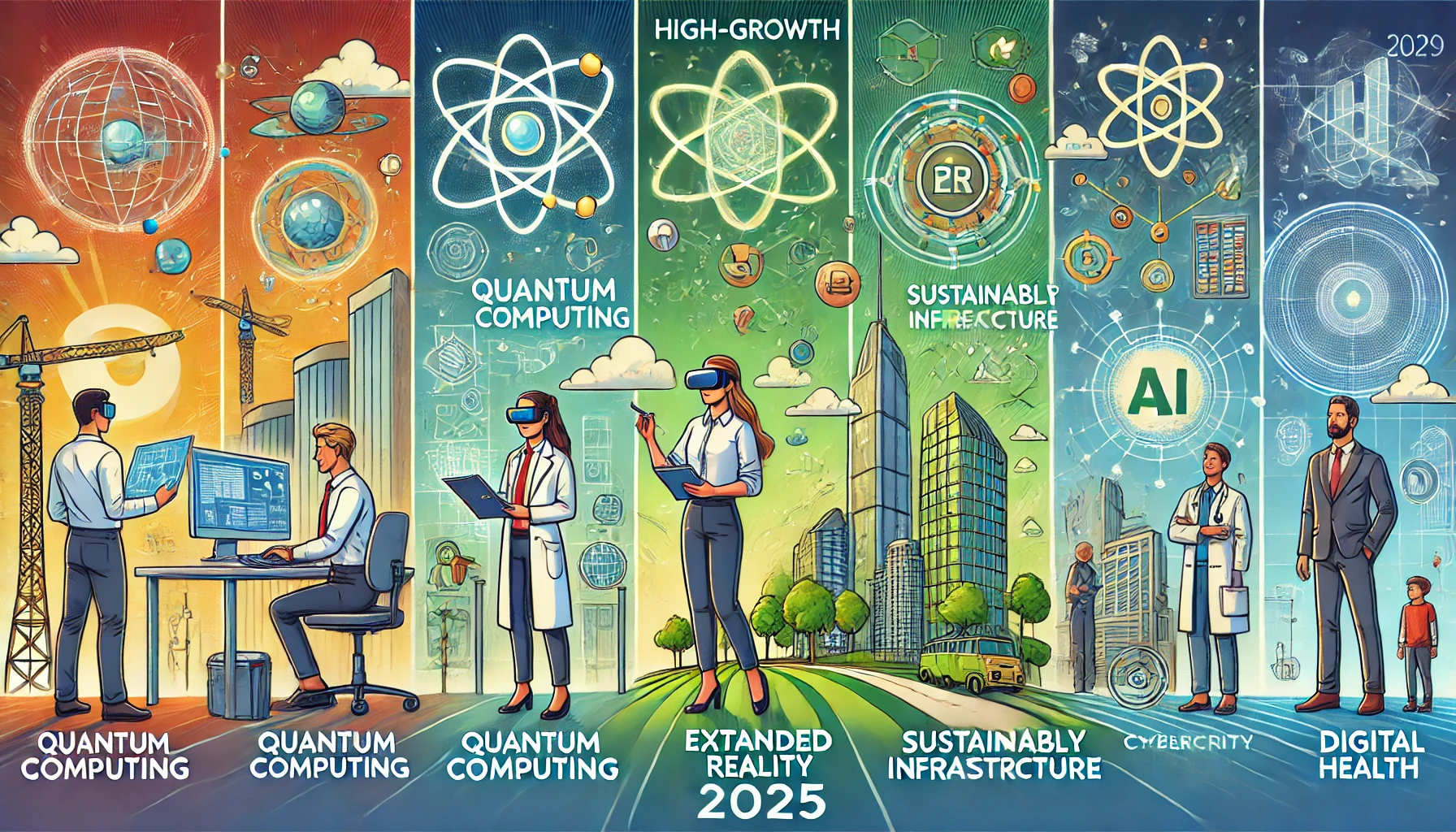
The prevalence of hybrid portfolios is projected to rise further as automation displaces routine tasks and as platforms streamline freelance matchmaking. Forecasts from the World Economic Forum suggest that a non‑trivial fraction of the global workforce will engage in multi‑role configurations by 2030, prompting regulatory bodies to revisit labor classification and benefits eligibility. Companies that institutionalize portfolio‑compatible structures—such as internal gig marketplaces and cross‑functional project pools—will secure a competitive edge in talent acquisition and retention, while laggards may face chronic skill gaps and heightened turnover.Hybrid careers are redefining the architecture of work, compelling institutions to adapt talent strategies now to remain relevant in a fluid, portfolio‑driven labor market.
The approach also facilitates continuous learning, as each engagement introduces new tools, methodologies, and networks, reinforcing a feedback loop of skill enrichment.
Key Structural Insights
[Insight 1]: Hybrid career paths redistribute labor risk, giving workers a measurable share of negotiating power and forcing firms to redesign performance and compensation systems.
[Insight 2]: Diversified skill sets, expanded networks, and income modularity together constitute a new form of career capital that enhances economic mobility and resilience.
[Insight 3]: Over the next three to five years, the rise of portfolio work will accelerate regulatory scrutiny and drive organizations to embed flexible, project‑based talent ecosystems.
Diversified Skill Sets Emerge: As hybrid careers become more prevalent, individuals are developing unique combinations of skills, blurring traditional boundaries between industries and creating a more dynamic and adaptable workforce, ultimately driving innovation and growth.
[Insight 2]: Diversified skill sets, expanded networks, and income modularity together constitute a new form of career capital that enhances economic mobility and resilience.
Redefined Work-Life Balance: Hybrid careers offer employees the flexibility to balance multiple passions and interests, leading to increased job satisfaction, reduced burnout, and a better alignment of work with personal values, resulting in a healthier and more productive workforce.
Written by Career Ahead AI. AI can make mistakes, so verify key facts. Report errors to support@careeraheadonline.com.