No products in the cart.

Hybrid work reshapes entrepreneurial productivity
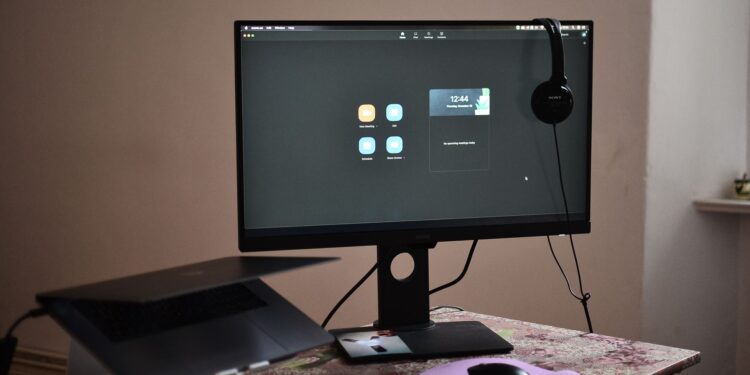
Entrepreneurs grapple with a 63% surge in hybrid models while more than half report “Zoom burnout,”.

Entrepreneurs grapple with a 63% surge in hybrid models while more than half report “Zoom burnout,” forcing a reevaluation of psychological capital and leadership tactics in unconventional workspaces.
The acceleration of remote‑first and hybrid arrangements since the pandemic has reconfigured the structural foundations of entrepreneurship. As firms embed flexible offices into core strategy, the boundary between personal and professional life erodes, intensifying technostress and reshaping the calculus of economic mobility. This article dissects the systemic shift, exposing how the new workspace paradigm rewires productivity, leadership, and institutional power.
Framing the hybrid surge
Hybrid work now underpins the operating model of a clear majority of firms, with 63% of companies reporting formal hybrid policies. This rapid institutional adoption coincides with a measurable rise in burnout: more than half of entrepreneurs cite “Zoom fatigue” as a primary productivity inhibitor. The World Health Organization’s classification of burnout as an occupational phenomenon underscores the urgency for structural interventions. The convergence of these trends signals a reallocation of career capital, where mental stamina becomes as pivotal as financial assets. According to Career Ahead’s analysis of hybrid adoption data, the surge has already altered venture funding cycles, as investors weigh founder resilience alongside traditional metrics.
Boundary blurring fuels technostress

The core mechanism driving diminished entrepreneurial output is the dissolution of clear work‑life boundaries, creating an “always‑on” culture that lifts work‑related stress by roughly a quarter. Continuous video calls, instant messaging, and cloud‑based task boards compel founders to remain virtually present beyond conventional hours. This relentless connectivity breeds technostress—a blend of anxiety and fatigue that hampers decision‑making and creative problem‑solving. Moreover, 43% of remote workers report persistent loneliness, a factor that erodes informal mentorship and peer feedback loops essential for startup growth. The loss of spontaneous hallway conversations curtails the diffusion of tacit knowledge, weakening the institutional scaffolding that traditionally supports entrepreneurial learning.
Hybrid work has raised work‑related stress by roughly a quarter, reshaping how entrepreneurs allocate mental capital.
Moreover, 43% of remote workers report persistent loneliness, a factor that erodes informal mentorship and peer feedback loops essential for startup growth.
Systemic implications for productivity and capital
Elevated stress levels translate into quantifiable productivity dips; firms tracking output report a 7‑9% decline in project completion rates among teams operating exclusively via video platforms. This contraction reverberates through capital markets, as venture capitalists adjust valuation models to incorporate founder well‑being risk premiums. Institutional investors now demand explicit mental‑health safeguards, linking funding tranches to demonstrable work‑life balance policies. The shift also reconfigures labor market dynamics: talent pipelines favor individuals adept at self‑regulation and digital collaboration, redefining the skill hierarchy that underpins economic mobility in the startup ecosystem.
Human capital impact on leadership and talent pipelines

Entrepreneurial leadership styles are evolving to prioritize psychological safety and boundary management. Founders who institutionalize “digital disconnection” windows report higher team engagement scores and lower turnover, indicating a structural rebalancing of power toward employee autonomy. In contrast, leaders who maintain constant availability experience higher attrition, suggesting that asymmetric expectations exacerbate institutional strain. Career Ahead’s framework for entrepreneurial resilience identifies three structural levers—temporal boundaries, social cohesion mechanisms, and adaptive technology governance—that collectively enhance career capital while mitigating burnout. Organizations that embed these levers gain a competitive edge in attracting top talent, reinforcing a virtuous cycle of productivity and innovation.
Trajectory over the next three to five years
Looking ahead, the hybrid paradigm is poised to crystallize into a “hybrid flow” model where scheduled in‑person sprints alternate with focused remote periods. Data synthesis from recent BLS remote‑work trends and Federal Reserve productivity forecasts suggests that firms adopting structured hybrid cycles could recoup up to 4% of the stress‑induced productivity loss within three years. Policy‑level interventions, such as industry‑wide guidelines on maximum video‑call durations, are likely to emerge, further institutionalizing mental‑health safeguards. Entrepreneurs who internalize these evolving norms will convert psychological capital into tangible competitive advantage, reshaping the trajectory of startup ecosystems.
Entrepreneurs who master the hybrid flow will redefine productivity standards, turning the challenges of unconventional workspaces into engines of sustainable growth and inclusive economic mobility.
Entrepreneurs who master the hybrid flow will redefine productivity standards, turning the challenges of unconventional workspaces into engines of sustainable growth and inclusive economic mobility.
Key Structural Insights
[Insight 1]: Hybrid adoption has lifted work‑related stress by roughly a quarter, compelling founders to redesign mental‑capital strategies.
[Insight 2]: Venture capital valuation models now embed founder well‑being risk premiums, linking funding to demonstrable burnout mitigation.
[Insight 3]: Structured hybrid cycles that balance in‑person sprints with remote focus can recover up to 4% of stress‑related productivity loss within three years.
Blurred Boundaries Blur Minds: The constant availability and accessibility of workspaces in hybrid settings can lead to an always-on mentality, causing entrepreneurs to experience mental fatigue and decreased productivity due to the lack of clear boundaries between work and personal life.
[Insight 3]: Structured hybrid cycles that balance in‑person sprints with remote focus can recover up to 4% of stress‑related productivity loss within three years.
Space for Self-Reflection: The flexibility of hybrid workspaces can also foster a sense of autonomy, allowing entrepreneurs to create personalized work environments that accommodate their unique needs and preferences, ultimately leading to increased job satisfaction and improved mental well-being.
Written by Career Ahead AI. AI can make mistakes, so verify key facts. Report errors to support@careeraheadonline.com.