No products in the cart.

IBM Defends Mainframe Amid AI Concerns
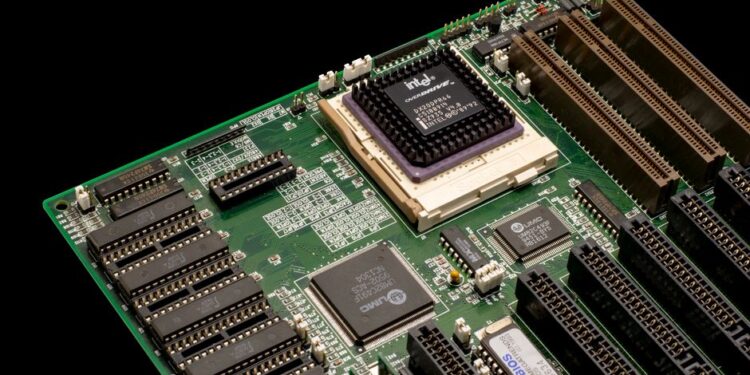
IBM's CEO, Arvind Krishna, attributes the recent decline in mainframe sales to a temporary shift in customer spending, asserting that AI will not replace mainframe technology.

On July 22, 2026, IBM reported its earnings, revealing a significant downturn in its mainframe business. The company generated $17.2 billion in revenue, falling short of Wall Street’s expectations, which resulted in a 25% drop in stock value. Despite these challenges, IBM’s leadership remains confident that artificial intelligence (AI) will not replace mainframe technology, a statement that holds considerable weight for mainframe developers and enterprise IT managers navigating the evolving tech landscape.
IBM’s CEO, Arvind Krishna, explained that the decline in mainframe sales was primarily due to a temporary shift in customer spending. Many clients who were expected to invest in new mainframes opted for alternative hardware instead, influenced by rising costs in the data center sector. Krishna emphasized that this is a temporary setback, predicting that clients will return to mainframe purchases soon. He highlighted the unmatched reliability and security of mainframes, particularly in industries such as finance and healthcare, where data integrity is paramount.
AI’s Role in Mainframe Technology
Despite concerns that AI could render mainframes obsolete, IBM’s leadership asserts that both technologies can coexist. The company emphasizes that mainframes are essential for managing large-scale data processing, particularly in finance and healthcare sectors. Analysis from Career Ahead indicates that integrating AI into existing mainframe systems can enhance performance rather than replace them. For instance, AI can streamline data management processes, enabling organizations to extract insights from large datasets more effectively.
IBM’s commitment to mainframes is evident in its ongoing investments in software solutions that support these systems. The company reported earning $3 in software revenue for every $1 of mainframe hardware sold, demonstrating that mainframes continue to play a critical role in the enterprise software ecosystem. This profitability model indicates a stable revenue stream that supports ongoing innovation. Furthermore, TechCrunch notes that IBM’s strategy includes developing AI tools specifically designed to work with mainframe systems, ensuring that legacy technologies can leverage modern advancements.
For instance, AI can streamline data management processes, enabling organizations to extract insights from large datasets more effectively.
Mainframes are designed to handle complex tasks efficiently, making them indispensable for organizations that require reliability and security. As AI evolves, its integration with mainframes could enhance analytics and decision-making capabilities, further solidifying the role of mainframes in contemporary IT environments. Industry analysts observe that the mainframe market is not merely surviving but adapting to new technologies. The collaboration between AI and mainframe technology presents new opportunities for developers and IT managers, allowing them to optimize business operations using both systems.
Implications for IT Budgets and Workforce Planning
IBM’s recent earnings report carries significant implications for IT budgets and workforce planning. The company’s struggles highlight the need for enterprise IT managers to reassess their investment strategies, particularly in light of rising costs associated with AI and data center hardware. As organizations confront these challenges, understanding the stability of mainframe technology becomes crucial. The spending pattern shift observed by IBM suggests that while AI investments are vital, they should not undermine the maintenance of robust mainframe infrastructures.
Career Ahead’s analysis indicates that organizations may need to strike a balance between investing in new AI technologies and preserving their existing mainframe infrastructure. Investing in AI should not come at the expense of mainframe capabilities, which continue to provide essential services. This balance is critical for companies aiming to remain competitive in an AI-driven market. Additionally, the decline in mainframe sales could impact workforce planning within IT departments. As organizations increasingly focus on AI, they must ensure their teams possess the skills necessary to manage both AI and mainframe systems. This dual expertise will be essential for maximizing the benefits of both technologies.
Given these developments, enterprise IT managers should consider the long-term implications of their technology investments. While AI presents exciting opportunities, the enduring significance of mainframes should not be overlooked. A strategic approach that embraces both technologies will position organizations for future success. As IBM navigates this transitional phase, the mainframe’s role in enterprise IT remains secure. The company’s commitment to its mainframe business, despite recent setbacks, suggests it will continue to be a cornerstone of IT infrastructure for years to come.
Future Prospects for AI and Mainframe Integration
Looking ahead, the relationship between AI and mainframe technology will be a critical area to monitor. As organizations increasingly adopt AI solutions, the potential for improved collaboration between these technologies could reshape enterprise IT. The ongoing evolution of mainframes, coupled with advancements in AI, may lead to innovative solutions that address the complex challenges businesses face today.
A strategic approach that embraces both technologies will position organizations for future success.
Frequently Asked Questions
How will AI affect my mainframe development job?
Research from Career Ahead indicates that AI is more likely to enhance mainframe development roles rather than replace them. Integrating AI into mainframe systems can lead to improved analytics and operational efficiency, creating new opportunities for developers.

What should enterprise IT managers consider regarding AI and mainframes?
Enterprise IT managers should evaluate the balance between investing in AI technologies and maintaining their existing mainframe infrastructure. Ensuring that teams have the skills to manage both systems will be crucial for maximizing their benefits.
Is it safe to invest in mainframe skills given the rise of AI?
Career Ahead’s analysis suggests that investing in mainframe skills remains a prudent decision. Mainframes continue to play a vital role in enterprise IT, and their integration with AI can create new opportunities for professionals in the field.
Related Articles
- Jack Dorsey Launches Buzz to Compete with Slack and GitHub
- Is instant delivery of satellites possible?
Written by Career Ahead AI. AI can make mistakes, so verify key facts. Report errors to support@careeraheadonline.com.