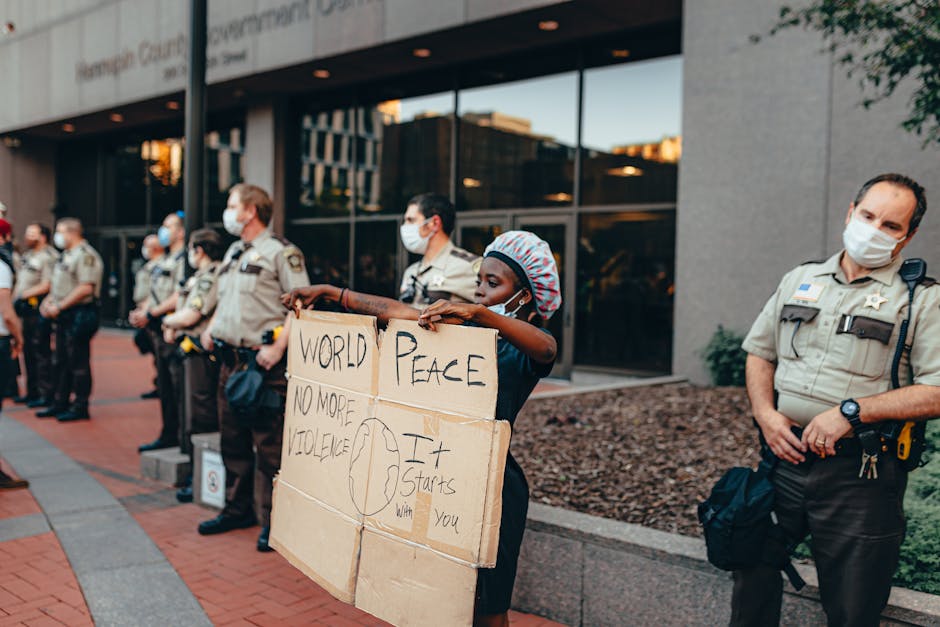
Minneapolis, Minnesota — The recent surge of federal agents in Minnesota, particularly through ICE operations, has ignited a fierce response from local communities. This crackdown, part of the Trump administration’s Operation Metro Surge, has seen federal officers detaining individuals, intimidating protestors, and even resulting in tragic fatalities, such as the shooting of 37-year-old Alex Pretti. This incident has become a rallying point for community activism, highlighting the urgent need for resistance against federal overreach.
The situation escalated dramatically on January 24, when Pretti was shot by federal officers while observing an incident. Eyewitness accounts and video footage have fueled outrage among residents, leading to organized protests at key intersections in Minneapolis. Activists are not just protesting; they are also developing mutual aid networks and tracking ICE operations, despite facing threats and surveillance from law enforcement and private tech companies.
As the federal presence grows, so does the resolve of Minnesotans. Community organizers are mobilizing to document ICE activities, share information, and support those affected by these operations. This grassroots response is vital, as many residents express fear and anger over the federal government’s aggressive tactics. The protestors are determined to protect their communities and stand against what they view as unjust actions by federal authorities.
Why ICE’s Actions Matter to Minnesota Residents
The implications of ICE’s operations extend beyond immediate arrests and detentions. They evoke a climate of fear, particularly among immigrant communities. According to local advocacy groups, many individuals are reluctant to access essential services, including healthcare and education, for fear of deportation. This has profound consequences for public health and community stability.
According to local advocacy groups, many individuals are reluctant to access essential services, including healthcare and education, for fear of deportation.
Moreover, the backlash against ICE has united various groups across Minnesota, from immigrant rights organizations to local activists and even apolitical community members. The tragic death of Pretti has galvanized support for broader civil rights and social justice movements. Activists argue that this moment could be pivotal in reshaping Minnesota’s political landscape, as more residents engage in activism and advocacy.
Data from community surveys indicate a growing awareness and concern regarding federal immigration policies. Many residents now see ICE’s actions as a direct threat to their safety and well-being. This shift in perception could lead to increased voter mobilization and pressure on local and state officials to take a stand against federal overreach.
How Community Organizing is Reshaping Activism in Minnesota
Community organizing in Minnesota is evolving rapidly in response to ICE’s actions. Activists are employing innovative strategies to resist federal operations and support affected individuals. Here are some key actions being taken:
- Documenting ICE Activities: Community members are using social media and apps to report ICE sightings and share information about ongoing operations. This transparency helps keep residents informed and aware of potential threats.
- Building Mutual Aid Networks: Local organizations are creating support systems for individuals facing deportation. These networks provide legal assistance, financial support, and emotional resources to those in need.
- Engaging in Public Protests: Organized protests are taking place across the state, drawing attention to the injustices of ICE operations. These events not only raise awareness but also foster community solidarity.
- Advocating for Policy Changes: Activists are pushing for local policies that protect residents from federal immigration enforcement. This includes sanctuary city initiatives and legal protections for immigrants.
However, experts warn that while community resistance is crucial, it may not be enough to counter the full force of federal law enforcement. A recent study by the Migration Policy Institute suggests that sustained advocacy and legal reforms are necessary to create lasting change. Without these efforts, grassroots movements could struggle to maintain momentum against systemic issues.
The Future of Activism in Minnesota Amid Federal Crackdowns
The current climate in Minnesota raises important questions about the future of community activism. As federal operations continue, residents are likely to become more engaged in local governance and advocacy efforts. The recent mobilization against ICE may set a precedent for future activism, encouraging more individuals to stand up for their rights.
These networks provide legal assistance, financial support, and emotional resources to those in need.
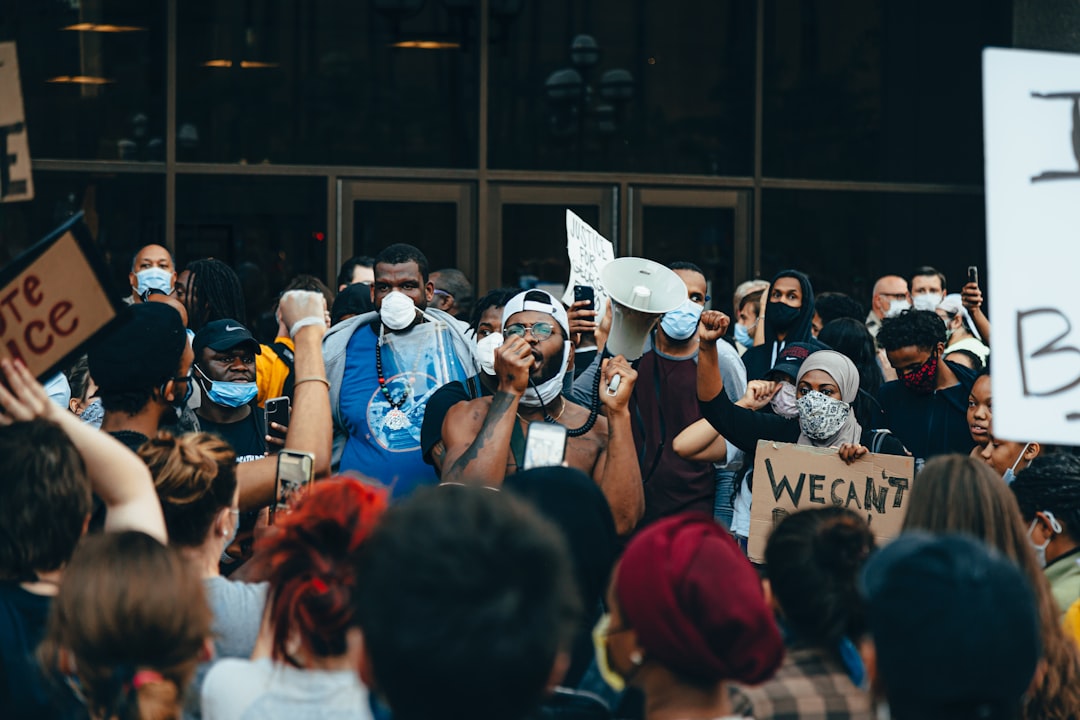
Moreover, the increasing visibility of these issues could lead to broader discussions about immigration reform and civil rights at the state level. As communities unite against federal overreach, the potential for significant policy changes becomes more tangible. Activism in Minnesota may not only influence local dynamics but could also inspire similar movements across the country.
As Minnesotans continue to fight back against ICE, one must consider: what lasting impact will this resistance have on the future of immigration policy and community relations in the state?
Written by Career Ahead AI. AI can make mistakes, so verify key facts. Report errors to support@careeraheadonline.com.