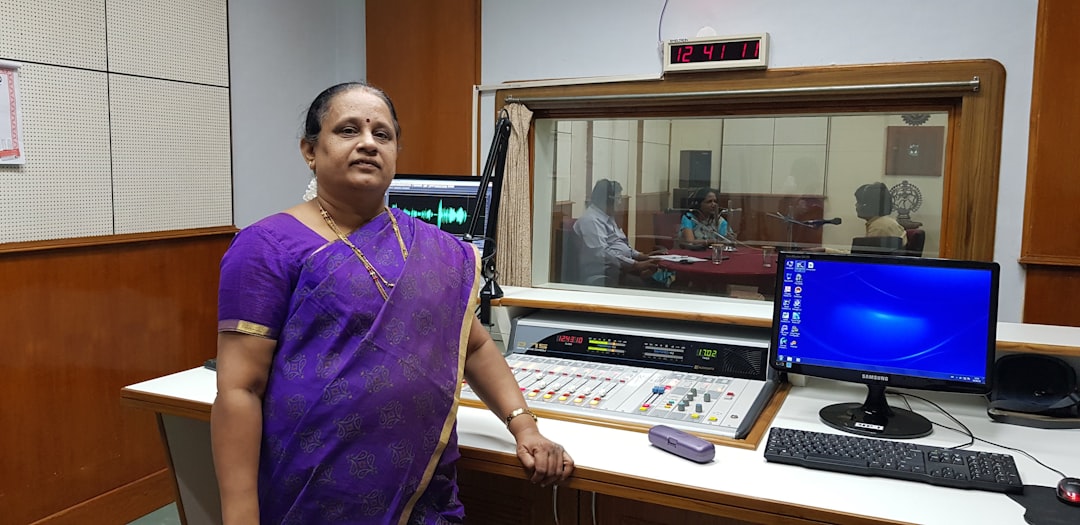
IIT Madras Director V Kamakoti is at the forefront of significant reforms in India's education and technology sectors, including the National Testing Agency and the SHAKTI Processor Program. His work highlights the intersection of technology and governance in addressing national challenges.
India’s National Testing Agency (NTA) is undergoing significant reform under the leadership of IIT Madras Director V Kamakoti. Appointed to a task force addressing the recent exam-leak crisis, Kamakoti’s expertise in technology and education policy positions him as a pivotal figure in reshaping India’s standardized testing landscape. This reform is particularly timely, as the integration of technology in education becomes increasingly critical.
Revamping India’s Examination System
The NTA reform initiative is essential for restoring trust in India’s examination systems. Following several exam leaks that have undermined the integrity of national assessments, the government sought Kamakoti’s assistance to rebuild this trust. His strategy emphasizes accountability throughout the examination process, ensuring that every detail, from administration to technology, is scrutinized. This thorough approach aims to enhance the credibility of the examination system, which has faced significant scrutiny in recent years.
Kamakoti’s historical perspective enriches this reform. He recalls the simplicity of the Joint Entrance Examination (JEE) in 1985, which had only 4,000 participants. Today, millions compete, raising the stakes significantly. This evolution necessitates a robust system capable of managing the complexities of modern testing while ensuring fairness and transparency. As highlighted by Times Now, Kamakoti envisions leveraging advanced technologies to create a more secure and efficient examination environment.
Integrating Technology in Education
The NTA reform is expected to incorporate advanced technologies such as biometric verification and AI-driven analytics. These tools will enhance security and reduce fraud, modernizing the testing process and aligning it with global best practices. Furthermore, AI tools will facilitate real-time monitoring and assessment, significantly minimizing malpractice. This innovative approach positions India as a leader in adopting new solutions in education.
Moreover, the reform is anticipated to set a benchmark for other educational assessments across the country. By spearheading this initiative, Kamakoti is positioning IIT Madras as a model for utilizing technology to enhance educational governance. This could inspire similar reforms in various sectors, creating a ripple effect throughout the education system. The emphasis on transparency and accountability may encourage other institutions to adopt similar measures, ultimately improving the quality of education in India.
New York City's school system remains one of the most segregated in the U.S. City leaders are now pushing for integration, but advocates emphasize the…
Integrating Technology in Education
The NTA reform is expected to incorporate advanced technologies such as biometric verification and AI-driven analytics.
SHAKTI Chips: A Step Towards Self-Sufficiency
The SHAKTI Chips initiative, led by Kamakoti, underscores India’s ambition for self-sufficiency in semiconductor technology. This program aims to develop local processors and influence education by integrating semiconductor technology into curricula at various levels. It represents a crucial step toward reducing India’s reliance on foreign technology and fostering local innovation.
As the demand for skilled professionals in the semiconductor industry rises, educational institutions must adapt their programs accordingly. The SHAKTI ecosystem promotes hands-on learning and research, allowing students to engage with cutting-edge technology. This is essential for preparing the next generation of engineers and technologists who will drive innovation in India. Kamakoti envisions collaboration with industry leaders to create a curriculum that reflects current technological advancements, ensuring students acquire the necessary skills for the evolving job market.
Fostering Interdisciplinary Learning
Kamakoti’s commitment to improving education through the SHAKTI initiative reflects a broader trend in India toward prioritizing technological education. By aligning academic programs with industry needs, IIT Madras sets a standard for other institutions, ensuring graduates are knowledgeable and capable of driving technological advancements.
Research indicates that such initiatives can significantly boost employability for graduates, especially in high-demand fields like AI and machine learning. Integrating practical applications into the curriculum will enhance students’ learning experiences and better prepare them for real-world challenges. Furthermore, Kamakoti advocates for interdisciplinary learning, encouraging students to explore areas beyond traditional engineering. This blend of knowledge is vital for tackling complex challenges in technology and engineering, fostering a more innovative workforce.
Risks, Trade-Offs, and What Comes Next
The ongoing reforms and initiatives led by Kamakoti highlight the need for a robust educational framework that adapts to the fast-changing technological landscape. As India faces these challenges, integrating technology into education and policy will be crucial for fostering a competitive and innovative economy. The question remains: can the government maintain momentum and ensure these initiatives lead to lasting change in education? The future of India’s technological landscape relies on the effectiveness of these reforms and the commitment of stakeholders to embrace innovation.
Risks, Trade-Offs, and What Comes Next The ongoing reforms and initiatives led by Kamakoti highlight the need for a robust educational framework that adapts to the fast-changing technological landscape.
Frequently Asked Questions
What are the key changes proposed in the NTA reform?
The NTA reform aims to improve the integrity and security of national examinations by using advanced technologies like biometric verification and AI analytics. This initiative seeks to rebuild trust in the examination process after recent scandals.
How will SHAKTI Chips affect engineering education?
SHAKTI Chips will impact engineering education by integrating semiconductor technology into curricula, promoting hands-on learning, and encouraging interdisciplinary collaboration. This approach will prepare students for careers in high-demand tech fields.
What role does IIT Madras play in shaping tech policy in India?
IIT Madras, under V Kamakoti’s leadership, plays a crucial role in shaping India’s tech policy through initiatives in AI governance, telecommunications, and semiconductor development. The institute’s research centers are vital in addressing future technological challenges.




Education & University Insights

 Education & University Insights