


San Francisco, USA — In 2025, generative AI became a pivotal element in the gaming industry. Major game studios embraced it, claiming it enhances creativity and efficiency in game development. However, this shift sparked significant pushback from independent developers. Many are now actively promoting their games as free from AI-generated content, signaling a growing divide in the gaming community. Understanding this dynamic is crucial for anyone looking to navigate a career in this evolving landscape.
Generative AI’s rise in gaming is not merely a trend; it represents a fundamental change in how games are created and experienced. According to a report from The Verge, industry leaders are integrating AI into their development processes, claiming it allows for more innovative gameplay and storytelling. This has led to a surge in AI-driven tools designed to streamline game design, from character creation to world-building. For instance, AI can now generate complex narratives based on player choices, making games more immersive than ever.
While big studios celebrate these advancements, many developers express concern about AI’s implications for creativity. Indie developers, in particular, argue that reliance on AI could dilute the unique artistic vision that defines their games. A recent survey found that 78% of indie developers believe that AI-generated content undermines the authenticity of gaming experiences. This sentiment is driving them to market their products as “AI-free,” appealing to gamers who prioritize originality and personal touch.
AI’s Dual Impact on Game Development
The impact of AI on game development can be seen in two contrasting ways. On one hand, it offers unprecedented opportunities for efficiency and creativity. Developers can use AI to automate repetitive tasks, allowing them to focus on more complex aspects of game design. For example, AI can assist in generating realistic environments, character animations, and even sound design, significantly reducing production time.
This creates a pressing need for developers to adapt and upskill to remain relevant in a rapidly changing environment.
On the other hand, this technological shift raises questions about the future of creative jobs in the industry. As AI tools become more sophisticated, the fear of job displacement looms large. According to industry analysts, job roles focused on manual design and content creation may diminish as AI takes over these tasks. This creates a pressing need for developers to adapt and upskill to remain relevant in a rapidly changing environment.
Moreover, the debate around AI in gaming also touches on ethical considerations. Issues like copyright, ownership of AI-generated content, and the potential for homogenization in game design are becoming increasingly relevant. As the industry grapples with these challenges, developers must think critically about their role and the direction they want to take in their careers.
 AI & Technology
Meta’s Muse Launches on iPad, Expanding Accessibility for Developers
Meta's Muse launch on iPad offers new opportunities for app developers to enhance user engagement and integrate AI-driven features, necessitating strategic adaptations in app design.
Read More →Positioning Yourself in the Evolving Gaming Landscape
As AI continues to reshape the gaming industry, it is essential for developers to position themselves strategically. Here are actionable steps you can take to thrive in this new environment:
- Embrace AI tools: Familiarize yourself with AI-driven game development tools. Platforms like Unity and Unreal Engine are integrating AI features. Learning these can enhance your skill set and make you more marketable.
- Focus on unique storytelling: Develop your narrative skills. Games that prioritize unique, human-driven stories will stand out in an AI-dominated market. Consider taking courses in creative writing or narrative design.
- Network with indie developers: Join communities that emphasize indie game development. Collaborating with like-minded individuals can provide support and inspiration as you navigate the complexities of AI in gaming.
- Stay informed: Keep up with industry trends. Follow news sources, attend conferences, and participate in forums to understand how AI is evolving and what it means for your career.
However, experts warn that this trend may not be sustainable. Some argue that over-reliance on AI could lead to a lack of innovation and creativity in game design. A recent study by the International Game Developers Association suggests that while AI can enhance efficiency, it should not replace the human touch that makes gaming an art form.
The Future of AI in Gaming
The trajectory of AI in gaming is still unfolding. As technology advances, we can expect more sophisticated AI systems that further integrate into game development. This could lead to more personalized gaming experiences, where AI adapts to individual player preferences and behaviors.
Learning these can enhance your skill set and make you more marketable.
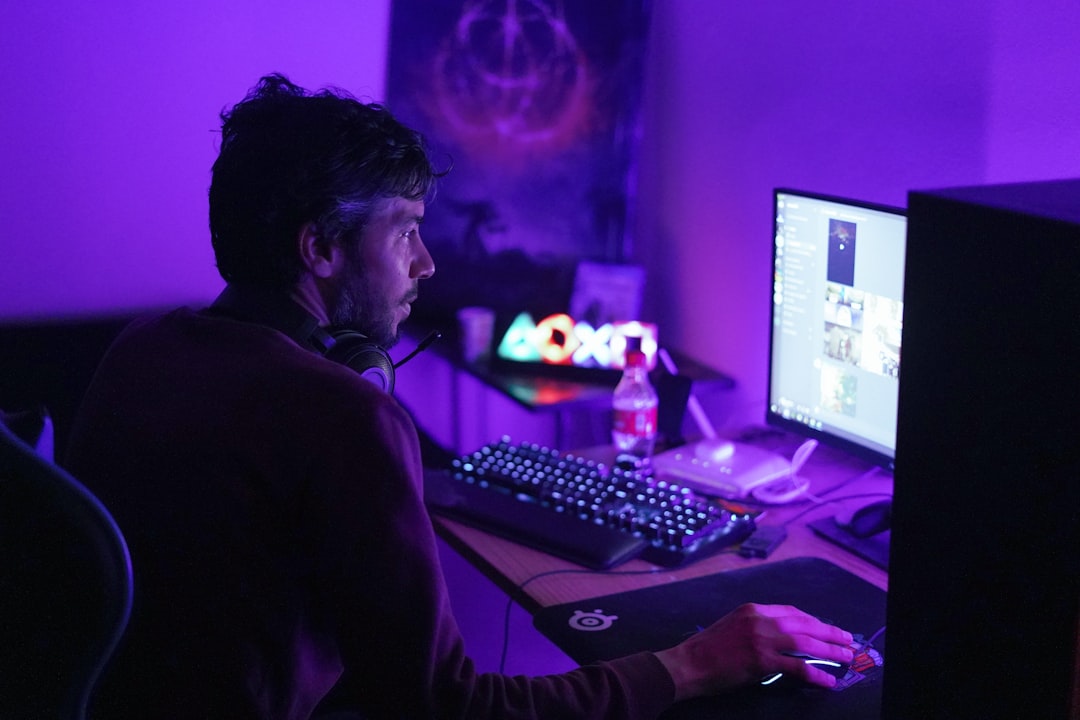
Moreover, as the industry continues to grapple with ethical questions, developers will need to advocate for responsible AI use. This means creating games that not only leverage AI’s capabilities but also respect the artistic integrity of the medium. The balance between innovation and creativity will be crucial as the industry moves forward.
As you consider your career in gaming, ask yourself: How can you leverage AI to enhance your creative vision while maintaining the authenticity that gamers cherish? The answer may define your path in this exciting yet challenging landscape.
 Entrepreneurship & Business
Europe Adds to Business Regulatory Burden, Speaker Says
The exchange covered deregulation, CBAM, an India-EU trade agreement and trade figures for India’s ties with the EU and the Netherlands.
Read More →Written by Career Ahead AI. AI can make mistakes, so verify key facts. Report errors to support@careeraheadonline.com.





