No products in the cart.

In Race With U.S., China Struggles to Recruit Foreign A.I. Researchers | Career Outlook
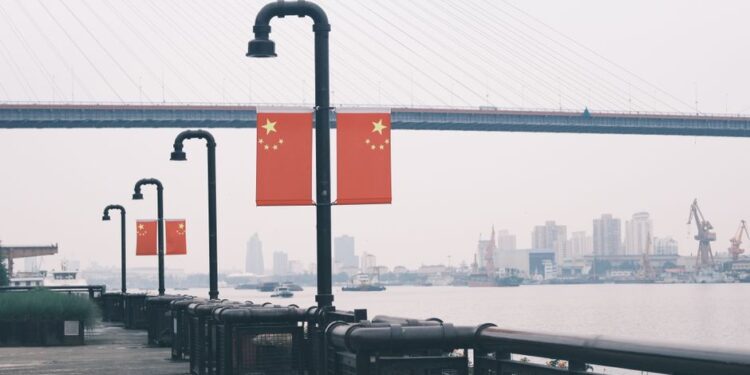
China's efforts to attract foreign AI researchers are hampered by salary disparities, job security concerns, and geopolitical tensions with the U.S., which continues to dominate the global AI landscape.

China is facing significant challenges in attracting foreign AI researchers, a situation that is critical as the U.S. continues to lead in the global AI field. Despite rapid growth in its technology sector, China struggles to draw overseas scientists, which is increasingly urgent given the competitive landscape.
Recently, the Chinese government has launched various initiatives aimed at attracting foreign talent. These include expedited visa processes and financial incentives designed to create a more welcoming environment for overseas professionals. However, these measures have not yielded the expected results. Many foreign researchers remain discouraged by lower salaries and concerns about job security in China, leading to a notable talent gap in the AI sector.
Government Initiatives and Their Limitations
The Chinese government has invested heavily in its AI sector, aiming to become a global leader by 2030. While these investments have spurred advancements and fostered local talent growth, they do not adequately address the concerns of foreign researchers. According to World Bank data, many still perceive the local job market as unstable, particularly in light of recent economic fluctuations.
A report from The New York Times highlights that job security remains a significant barrier to recruitment. Many researchers fear that economic changes could jeopardize their positions, making the prospect of relocating to China less appealing. Geopolitical tensions between China and the U.S. further complicate recruitment efforts, as the U.S. offers attractive opportunities, including higher salaries and more flexible working conditions.
As a result, a growing gap in recruitment strategies is evident between the two countries. An article from Cryptobriefing notes that while China is making strides in improving its AI capabilities, the established networks and resources within the U.S. job market continue to attract top talent.
offers attractive opportunities, including higher salaries and more flexible working conditions.
Salary Disparities and Research Opportunities
You may also like
 Industry & Global Trends
Paramount and Warner Bros Form Skydance Powerhouse
The merger of Paramount Pictures and Warner Bros has created Skydance, a new Hollywood giant, poised to reshape the entertainment landscape.
Read More →Salary is a critical factor influencing foreign AI researchers’ decisions. Reports indicate that AI professionals in the U.S. earn, on average, 30% more than their counterparts in China. This wage gap serves as a significant deterrent for foreign talent considering a move to China. Additionally, while China offers substantial funding for research, it often prioritizes applied research, which may not align with the interests of many foreign researchers who prefer exploratory and innovative work.
Moreover, research opportunities in the U.S. are frequently perceived as more robust. Many foreign researchers are attracted to the extensive funding available for AI projects in the U.S., which allows for more ambitious and innovative work. In contrast, China’s focus on applied research can create a perception that local researchers have an advantage in job security, as they are often prioritized for positions in local firms and institutions.
In summary, while China’s AI sector is expanding, lower salaries, job security concerns, and a less favorable research environment compared to the U.S. hinder its ability to attract foreign researchers. This situation presents a complex challenge for China as it seeks to enhance its global standing in AI development.

The Impact of Local Talent Growth
The growth of China’s local AI sector also affects homegrown researchers. With more opportunities available domestically, local talent may feel less inclined to seek positions abroad. This trend could lead to a more stable job market for local researchers, but it raises concerns about the diversity of thought and innovation within the field.
Future Considerations for Recruitment Strategies To remain competitive in the global AI market, China must reassess its recruitment strategies.
As local researchers secure more positions, the competitive landscape may shift. While local talent is thriving, the lack of foreign perspectives could hinder overall growth and innovation in China’s AI sector. Diverse teams are often essential for creative solutions and breakthroughs, particularly in a rapidly evolving field like AI.
Future Considerations for Recruitment Strategies
You may also like
 Industry & Global Trends
Asset Management One to Boost Talent Spending 30% Over 3 Years
Asset Management One plans to increase its talent spending by 30% over the next three years, reflecting a commitment to enhancing its workforce amid rising…
Read More →To remain competitive in the global AI market, China must reassess its recruitment strategies. This may involve improving salary offers and fostering a more collaborative research environment. As the U.S. continues to attract top talent, China must find ways to incentivize foreign researchers to consider its opportunities seriously.
The struggle to attract foreign AI researchers reflects broader trends in the global tech landscape. As competition intensifies, the ability to innovate and attract talent will be crucial for both local and foreign researchers. The coming years will be pivotal in determining the future of China’s AI sector and its place in the global arena.

Frequently Asked Questions
What are the benefits of working in China’s AI sector for foreign researchers?
Foreign researchers can benefit from China’s rapid technological advancements and substantial government investment in AI. The opportunity to work on large-scale projects can also be appealing for those interested in applied research.
The opportunity to work on large-scale projects can also be appealing for those interested in applied research.
How does China’s AI research environment compare to that of the U.S.?
While China offers significant funding and a growing local talent pool, the U.S. is often seen as providing better salaries and more diverse research opportunities. This disparity affects foreign researchers’ decisions to relocate.
What should foreign AI researchers consider before relocating to China?
Foreign researchers should weigh salary offers, job security, and the overall research environment. Understanding the local market dynamics and potential challenges is crucial for making an informed decision.
You may also like
 Industry & Global Trends
RBA AI Warning Impacts Investment Strategies
The RBA's recent warning about AI's influence on financial markets signals a critical shift for financial analysts and investment managers in Australia. As AustralianSuper expands…
Read More →