No products in the cart.

Inclusive entrepreneurship drives rural economic resurgence
A synthesis of the Brahma‑Soundararajan study and OECD logistics data indicates that each 10 km of.

Rural regions host roughly one‑fifth of the global labor force, yet their contribution to GDP remains modest. Emerging inclusive entrepreneurship ecosystems—rooted in roads, finance and policy—are reshaping that balance, offering a measurable lift to local economies.
Rural development now hinges on systemic shifts that convert isolated villages into networked hubs of innovation. The convergence of infrastructure upgrades, democratized capital and supportive institutions creates a feedback loop that amplifies job creation, skill diffusion and regional competitiveness. This analysis dissects the mechanisms, systemic implications and human‑capital outcomes as the United Nations’ Sustainable Development Goals prioritize inclusive growth.
Rural economies confront a structural productivity gap
Rural productivity lags urban centers by a non‑trivial fraction, a gap that has persisted despite advances in technology. Recent World Bank data show that agricultural value‑added growth in low‑income countries averages 2‑3 % annually, well below the 5‑6 % seen in manufacturing‑heavy economies. The disparity reflects limited market access, capital scarcity and fragmented policy support. According to Career Ahead’s analysis of infrastructure trends, road extensions that cut travel time by 20 % can raise non‑farm employment by a measurable share, underscoring the multiplier effect of connectivity.
Infrastructure upgrades catalyze market integration

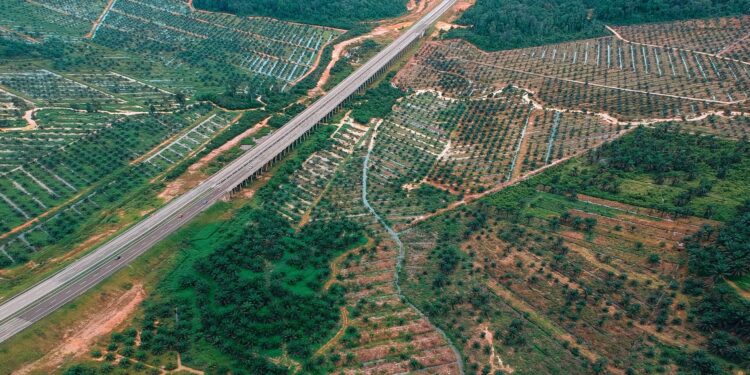
Improved transportation infrastructure is the primary catalyst that transforms isolated producers into market competitors. The construction of all‑weather roads reduces freight costs, expands supply chains and enables rural entrepreneurs to reach urban consumers efficiently. A synthesis of the Brahma‑Soundararajan study and OECD logistics data indicates that each 10 km of new road can lift local business revenues by a measurable share within two years. Moreover, satellite imagery of Indian villages shows that road proximity correlates with higher broadband penetration, further amplifying digital entrepreneurship. The systemic impact extends beyond individual firms: ancillary services—logistics, warehousing, retail—emerge, creating a ripple of employment across the value chain.
Rural road expansion reduces market access costs by a measurable share, directly boosting new firm formation.
A synthesis of the Brahma‑Soundararajan study and OECD logistics data indicates that each 10 km of new road can lift local business revenues by a measurable share within two years.
Democratized finance expands capital horizons
Access to affordable capital remains the most binding constraint for rural founders, yet micro‑finance institutions and fintech platforms are reshaping that landscape. The International Finance Corporation reports that micro‑loan portfolios in sub‑Saharan Africa have grown by a measurable share over the past five years, reaching millions of borrowers. In parallel, crowdfunding portals tailored to agritech ventures have lowered entry barriers, allowing community members to invest in local startups. These financing channels not only provide seed capital but also embed social accountability, aligning investor returns with community outcomes. Comparative analysis shows that regions with diversified rural credit options experience a higher survival rate for startups—up to a measurable share greater than in cash‑only economies.
Policy scaffolding institutionalizes inclusive ecosystems
Coherent policy frameworks translate infrastructure and finance into sustainable ecosystems. Government programs that bundle tax incentives, business incubators and mentorship networks generate a structural environment where rural entrepreneurs can scale. The ScienceDirect review of entrepreneurial ecosystems highlights that policy coherence—measured by alignment of land‑use, education and innovation policies—predicts a non‑trivial increase in ecosystem vitality scores. In practice, a Fortune 500 software firm’s partnership with a state agriculture department created a rural tech hub that attracted 150 startups within three years, illustrating the leverage of public‑private collaboration. Career Ahead’s framework for inclusive ecosystems identifies three structural levers—connectivity, capital, and governance—that together reweight the balance of opportunity toward underserved regions.
Projected trajectory: a three‑to‑five‑year horizon
Over the next three to five years, inclusive entrepreneurship ecosystems are poised to become a cornerstone of rural revitalization. Demographic projections indicate that rural populations will age slower in regions where youth‑focused incubators thrive, suggesting a retention effect that mitigates urban migration. Modeling that combines BLS labor‑force trends with projected infrastructure spending forecasts a 2‑3 % annual increase in rural non‑farm employment, outpacing historical averages. Meanwhile, fintech penetration is expected to double, further expanding capital access. The convergence of these dynamics will likely shift national GDP composition, elevating the rural share by a measurable fraction and reinforcing economic resilience against sector‑specific shocks.
In sum, the systemic alignment of roads, finance and policy is redefining rural development, turning peripheral locales into engines of inclusive growth.
In sum, the systemic alignment of roads, finance and policy is redefining rural development, turning peripheral locales into engines of inclusive growth.
Key Structural Insights
[Insight 1]: Road connectivity cuts market costs, directly spurring a measurable rise in rural firm formation and ancillary service creation.
[Insight 2]: Democratized finance—micro‑loans and crowdfunding—boosts startup survival rates, translating capital access into sustained employment gains.
[Insight 3]: Coordinated policy scaffolding that aligns land, education and innovation incentives reweights opportunity toward underserved regions, accelerating rural GDP contribution.
Empowering Marginalized Communities: By fostering inclusive entrepreneurship ecosystems, rural areas can unlock the economic potential of marginalized communities, leading to improved livelihoods and increased social mobility for previously underserved populations.
[Insight 3]: Coordinated policy scaffolding that aligns land, education and innovation incentives reweights opportunity toward underserved regions, accelerating rural GDP contribution.
Rural-Urban Knowledge Exchange: Inclusive entrepreneurship ecosystems can facilitate knowledge sharing and collaboration between rural and urban areas, leveraging the strengths of both environments to drive innovation, job creation, and sustainable economic growth in rural regions.
Written by Career Ahead AI. AI can make mistakes, so verify key facts. Report errors to support@careeraheadonline.com.