No products in the cart.

India and Bangladesh Strengthen Ties
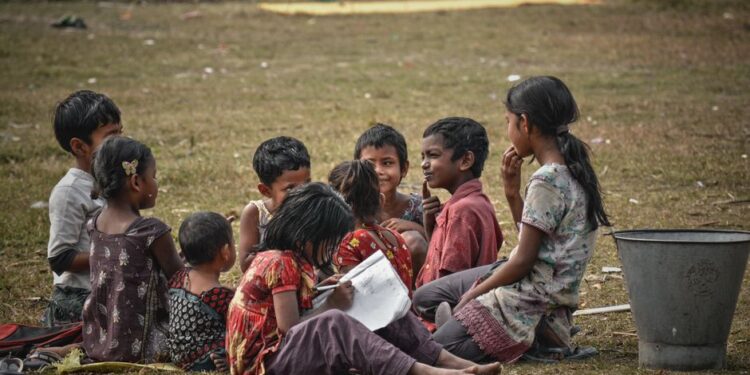
India and Bangladesh are enhancing cooperation in education and technology, which could lead to innovative solutions and educational advancements in both nations. This collaboration may significantly address skill gaps and foster cross-border educational programs.

India and Bangladesh discussed ways to strengthen their cooperation in education and technology on September 18, 2026. The meeting included Indian High Commissioner Dinesh Trivedi and Mahdi Amin, an advisor to the Prime Minister of Bangladesh. They aimed to improve bilateral relations for mutual benefit, especially in education and innovation.
This meeting is important as both nations work to enhance their ties and partnerships across various sectors. The focus on education and technology shows a shared goal to boost innovation and tackle skill gaps in both countries.
Funding Opportunities for Educational Programs
A key topic was the potential increase in funding for educational programs. Career Ahead’s analysis suggests that collaboration could unlock significant financial resources for joint educational initiatives. This may include scholarships, research grants, and infrastructure development to improve educational facilities.
Researchreinforcement.com indicates that the relationship between India and Bangladesh has grown since the Liberation War of 1971. Both nations have benefited from shared cultural and historical ties. More funding for education could strengthen this partnership and lead to new educational institutions that meet the needs of both countries.
Additionally, focusing on educational funding aligns with the United Nations Sustainable Development Goals (SDGs). By investing in education, India and Bangladesh can work towards quality education and lifelong learning opportunities for everyone.
As they explore funding opportunities, education policymakers in India must consider the unique needs of Bangladesh. Tailoring programs to address local challenges will be crucial for success.
By investing in education, India and Bangladesh can work towards quality education and lifelong learning opportunities for everyone.
Joint funding initiatives could also encourage private sector involvement. This would lead to innovative educational solutions that use technology and local expertise.
Joint Research Initiatives and Knowledge Exchange
Another important outcome of the talks is the potential for joint research initiatives between Indian and Bangladeshi universities. Career Ahead research shows that collaborative research can lead to innovations that address regional challenges, especially in education and technology.
Establishing joint research programs can promote knowledge exchange and strengthen academic partnerships. This collaboration can improve the quality of education and research output, giving students and educators access to more resources and expertise.
Furthermore, en.wikipedia.org highlights that India and Bangladesh have cooperated significantly in various fields, including education. By leveraging each other’s strengths, both countries can create advanced educational programs that use technology and innovative teaching methods.

Joint research initiatives can also enable cross-border internships and exchange programs. This allows students from both nations to gain practical experience and exposure to different educational environments. Such experience is invaluable for preparing students for the global job market.
This allows students from both nations to gain practical experience and exposure to different educational environments.
As these initiatives develop, both governments must support policies that promote collaboration and remove barriers to academic exchange. This will ensure that both nations benefit from joint research.
Technology Transfer Agreements and Innovation Hubs
The discussions also highlighted the importance of technology transfer agreements between India and Bangladesh. These agreements can greatly enhance the technological capabilities of both countries, allowing them to share resources and expertise effectively.
Career Ahead’s analysis indicates that creating innovation hubs in both countries could drive technological advancements. These hubs can unite startups, researchers, and educators to work on projects that address local challenges and foster innovation.
Moreover, technology transfer agreements can provide access to cutting-edge technologies for educational programs. This could lead to new curricula focusing on emerging technologies, preparing students for careers in high-demand fields.
As both nations pursue these agreements, it is essential to ensure they are mutually beneficial. This includes addressing intellectual property rights and ensuring equal access to the benefits of shared technologies.
In conclusion, collaboration between India and Bangladesh in education and technology offers a significant opportunity for both nations. By working together, they can enhance educational resources and foster innovation to tackle shared challenges. The future of this partnership relies on both governments’ commitment to implementing these initiatives effectively.
In conclusion, collaboration between India and Bangladesh in education and technology offers a significant opportunity for both nations.
Frequently Asked Questions
What new educational programs are being developed between India and Bangladesh?
India and Bangladesh are exploring new educational programs that enhance collaboration through funding and joint research initiatives. These programs aim to close skill gaps and improve educational outcomes in both countries.
How can technology innovators in Bangladesh leverage Indian resources?
Technology innovators in Bangladesh can use Indian resources through technology transfer agreements and collaborative innovation hubs. This access will enhance their projects with cutting-edge technologies and expertise.

What should education policymakers in India consider when collaborating with Bangladesh?
Education policymakers in India should consider Bangladesh’s unique educational needs and contexts. Tailoring programs to address local challenges is crucial for successful collaboration and mutual benefit.
Related Articles
- AP EAMCET 2026 Final Phase Counselling Dates, Web Options
Written by Career Ahead AI. AI can make mistakes, so verify key facts. Report errors to support@careeraheadonline.com.