No products in the cart.

India Must Embrace Local Chip Integration
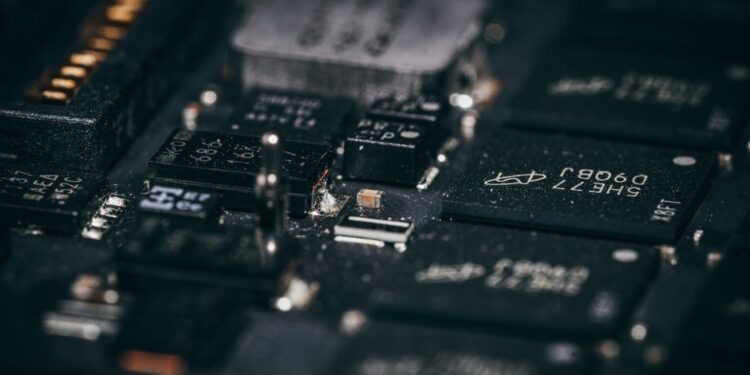
India is projected to become a semiconductor consumption market worth approximately USD 200 billion by 2035, emphasizing the need for local chip integration in domestic products.

India’s semiconductor development is entering a crucial phase. The country aims to integrate locally designed chips into products made here. A recent report by EY–IESA stresses the need for India to go beyond just increasing chip manufacturing. The focus should shift to creating a strong ecosystem that supports the use of domestically produced chips in local products.
The report states that India is expected to become a semiconductor consumption market worth about USD 200 billion by 2035. However, much of this demand is currently met through imported electronic systems and components. This reliance limits the potential for domestic value capture and innovation. As noted in the Mint, the goal should be to create an environment where Indian-designed chips are manufactured and integrated into various products. This will enhance the overall value chain.
Building a Self-Sustaining Semiconductor Ecosystem
The EY–IESA report points out that India’s semiconductor journey is at a key turning point. With significant public investments and policies like Semicon India 2.0, India is laying the groundwork for a domestic semiconductor ecosystem. To build on this momentum, India must create a self-sustaining semiconductor economy that prioritizes local demand and innovation.
Currently, India’s semiconductor landscape features a growing design ecosystem and a demand for advanced manufacturing. The report suggests that improving downstream industries—like consumer electronics, automotive, and telecommunications—will be crucial for boosting local semiconductor production. By strengthening these sectors, India can turn semiconductor demand into a driver for local manufacturing. The Economic Survey 2025-26 emphasizes the need for a comprehensive strategy that focuses on both manufacturing and research and development. This will help India compete globally.
Career Ahead’s analysis shows that integrating local chips into domestic products offers a great opportunity for hardware engineers and product managers. These professionals will need to adapt their skills to utilize the unique features of Indian-designed chips. This ensures that products meet both local and global standards. The report also highlights the importance of collaboration among academia, industry, and government to foster an environment for innovation.
These professionals will need to adapt their skills to utilize the unique features of Indian-designed chips.
You may also like
 Industry & Global Trends
US-China Trade Truce Extension Impacts Global Business
The ongoing discussions between the US and China regarding the extension of their trade truce are crucial for international business operations. As negotiations unfold, companies…
Read More →As global supply chains diversify, India has a chance to become a trusted partner in the semiconductor ecosystem. By focusing on design-led manufacturing and advanced packaging techniques, India can gain a competitive edge in the global market. This strategic positioning is vital as the global semiconductor industry is expected to grow significantly. India must be ready to seize these opportunities.
Implications for Hardware Engineers and Product Managers
The shift toward using Indian chips in domestic products has specific implications for hardware engineers and product managers. As they work to integrate local chips, they will need to learn new design tools and methods. This shift requires a focus on system-level innovation, essential for developing competitive products. The integration process will involve thorough testing and validation to ensure that the chips perform reliably under different conditions.
Product managers will be key in facilitating local manufacturing of electronics. They must understand the strengths of Indian chips and how to incorporate them into product development. This involves working closely with engineers to ensure that products are functional, innovative, and market-ready. Product managers need to be knowledgeable about technical specifications and market trends, as they guide products from conception to launch.
As the domestic electronics market grows, there will be a rising demand for skills related to local manufacturing processes. Hardware engineers must be prepared to handle the complexities of integrating these chips into various applications, from consumer electronics to industrial automation. This skill development is crucial for ensuring that India captures a larger share of the global semiconductor market. The EY–IESA report emphasizes that India’s semiconductor growth is about more than just manufacturing; it also involves innovation and value addition. By fostering a culture of innovation, India can strengthen its position in the global semiconductor supply chain.

Collaboration between educational institutions and industry will be vital in bridging this gap and ensuring that the workforce is ready for future challenges.
Career Ahead research indicates that the focus on local chip integration could create a skill gap in the industry. As companies increase their efforts to use Indian-designed chips, there will be a growing need for professionals who can navigate this new landscape. Continuous learning and adaptation will be key for engineers and product managers to stay relevant in this changing market. Collaboration between educational institutions and industry will be vital in bridging this gap and ensuring that the workforce is ready for future challenges.
Looking ahead, the future of India’s semiconductor industry looks bright. With the right investments and policy support, India can become a major player in the global semiconductor market. Focusing on integrating local chips into domestic products will drive economic growth and enhance national security by reducing reliance on foreign technology.
You may also like
 Industry & Global Trends
Nothing CEO Carl Pei Advocates for ‘Engineer in India’ Shift
Carl Pei's recent call for India to transition from 'Make in India' to 'Engineer in India' reflects a significant shift in focus towards enhancing local…
Read More →The ongoing efforts to build a self-sustaining semiconductor ecosystem could lead to new manufacturing facilities and research centers across the country. This would create job opportunities for engineers and product managers, further boosting the economy. As India aims to be a global hub for semiconductor innovation, stakeholders must remain agile and responsive to market changes. The ability to adapt to new technologies and consumer demands will determine the success of India’s semiconductor strategy.
In conclusion, integrating Indian chips into domestic products offers a transformative opportunity for the country. As the semiconductor landscape evolves, collaboration between hardware engineers and product managers will be essential in shaping the future of India’s electronics industry.
Frequently Asked Questions
What are the best practices for using Indian chips in product design?
Career Ahead’s analysis highlights that best practices include understanding the specific features of Indian chips, collaborating closely with engineers, and ensuring compliance with local and international standards.
Hardware engineers need to develop skills in system-level design, familiarize themselves with local chip specifications, and stay updated on new manufacturing technologies to effectively integrate Indian chips into products.
How can product managers facilitate local manufacturing of electronics?
Product managers can facilitate local manufacturing by building partnerships with local suppliers, understanding market needs, and aligning product development with domestic capabilities.

What skills do hardware engineers need to adapt to local chip integration?
Hardware engineers need to develop skills in system-level design, familiarize themselves with local chip specifications, and stay updated on new manufacturing technologies to effectively integrate Indian chips into products.
You may also like
 Industry & Global Trends
Inside the New War for Critical Metals
The ongoing struggle for critical metals is reshaping supply chains and sourcing strategies. Mining engineers and supply chain managers must adapt to a rapidly changing…
Read More →