navigating the Strait of Hormuz
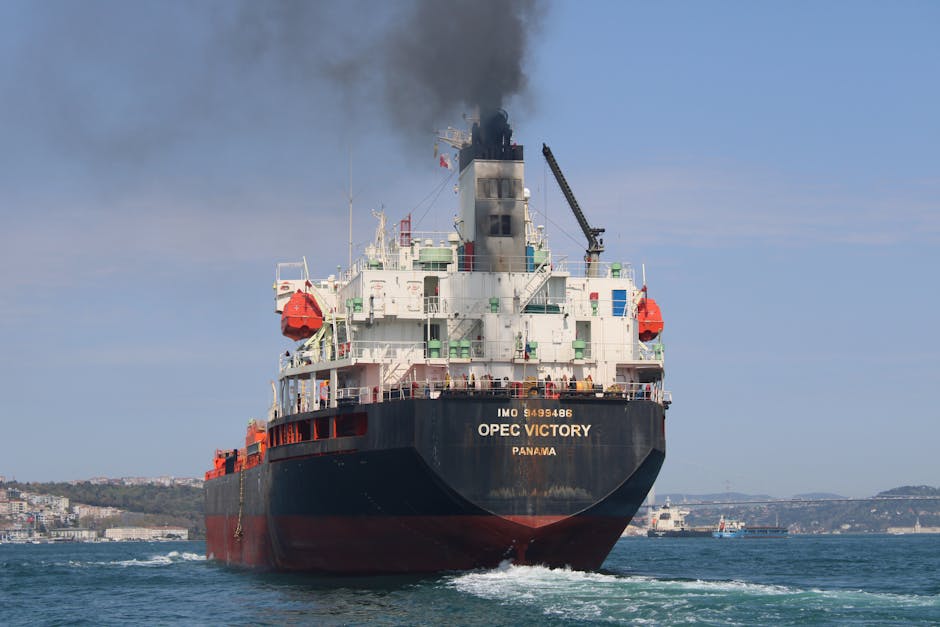
India’s merchant fleet sails through the 21-mile-wide waterway without permission from Tehran. Shipping Ministry Special Secretary Rajesh Kumar Sinha said the strait is an international passage, free for vessel movements.
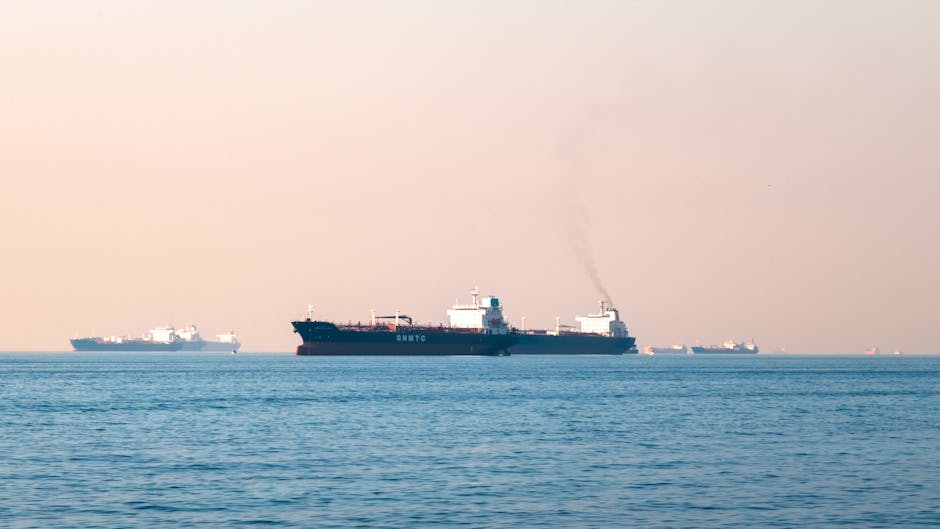
The narrow channel is marked by entry and exit lanes that shipping lines must follow. Recent transits show the new normal. Two India-flagged LPG carriers crossed the strait without a radioed request to Iranian authorities.
The Iran-US sanctions Ruckus and Oil Prices
Washington’s temporary waiver on Iranian crude adds uncertainty. The U.S. Treasury’s Office of Foreign Assets Control issued a general license for “sale, delivery, and off-loading” of Iranian oil.
The license applies regardless of whether the vessel is under U.S. sanctions. The waiver opens a narrow window for oil to re-enter the market, but it does not restore the payment infrastructure severed when Iran’s banks were cut off from the SWIFT network.
Oil marketing companies will decide whether to buy Iranian crude based on feasibility calculations. The broader market reaction has already been felt, with global oil prices higher in the first weeks of March.
The waiver opens a narrow window for oil to re-enter the market, but it does not restore the payment infrastructure severed when Iran’s banks were cut off from the SWIFT network.
India’s Diplomatic Efforts for Safe Passage
Indian diplomats have been quietly coordinating with Tehran. A video call produced a “safe-passage understanding” that carries no written guarantee but offers operational confidence.
The understanding paved the way for recent transits of Shvalik and Nanda Devi. Both vessels were monitored by Indian Navy “white-hull” patrols, and no Iranian naval escort was requested.
The Future of Maritime Trade
Even as India secures its own lanes, the global picture remains fragmented. Over 90% of Iran’s crude exports continue to flow to China, where “teapot” refiners have locked in a discount.
For Indian refiners, the calculus hinges on refinery configuration and margin potential. West-coast plants can regain a diesel yield advantage if they receive waiver-eligible barrels before the license expires.
Strategic Perspective: Navigating the Complexities of International Trade
India’s strategic petroleum reserve adds another lever. With the reserve only about one-third filled, filling it with Iranian crude under a government-to-government arrangement could sidestep secondary sanctions.
 Government & Policy
Rubio Urges More US-India Energy Trade and Venezuelan Crude Refining
Rubio discussed refining Venezuelan crude with Indian companies and described India as a “refining superpower”.
Read More →Long-term, the Strait of Hormuz is evolving into a de-facto chokepoint similar to the Suez Canal, but without a formal toll regime. Control now rests with the side that can field the most compliant hulls and secure insurance cover.
The Future of Maritime Trade Even as India secures its own lanes, the global picture remains fragmented.
India’s 2026-31 Maritime Security Plan earmarks significant resources for east-of-Suez patrols. The plan reflects a recognition that safe passage through Hormuz is not just a diplomatic nicety but a cornerstone of the country’s energy security and macro-economic stability.
As the U.S. license draws to a close, the market will watch closely whether Indian refiners can lock in Iranian barrels, navigate the insurance maze, and use the SPR to cushion price volatility.
Written by Career Ahead AI. AI can make mistakes, so verify key facts. Report errors to support@careeraheadonline.com.